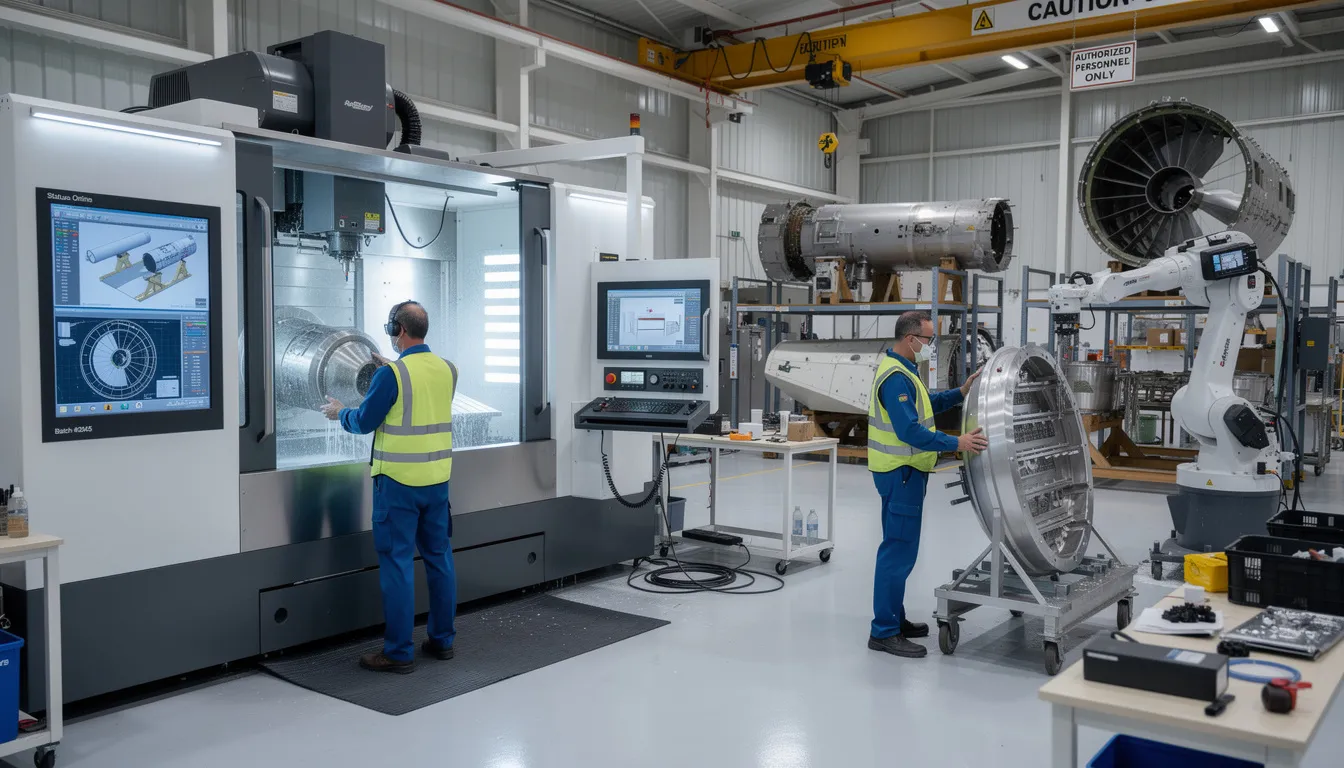
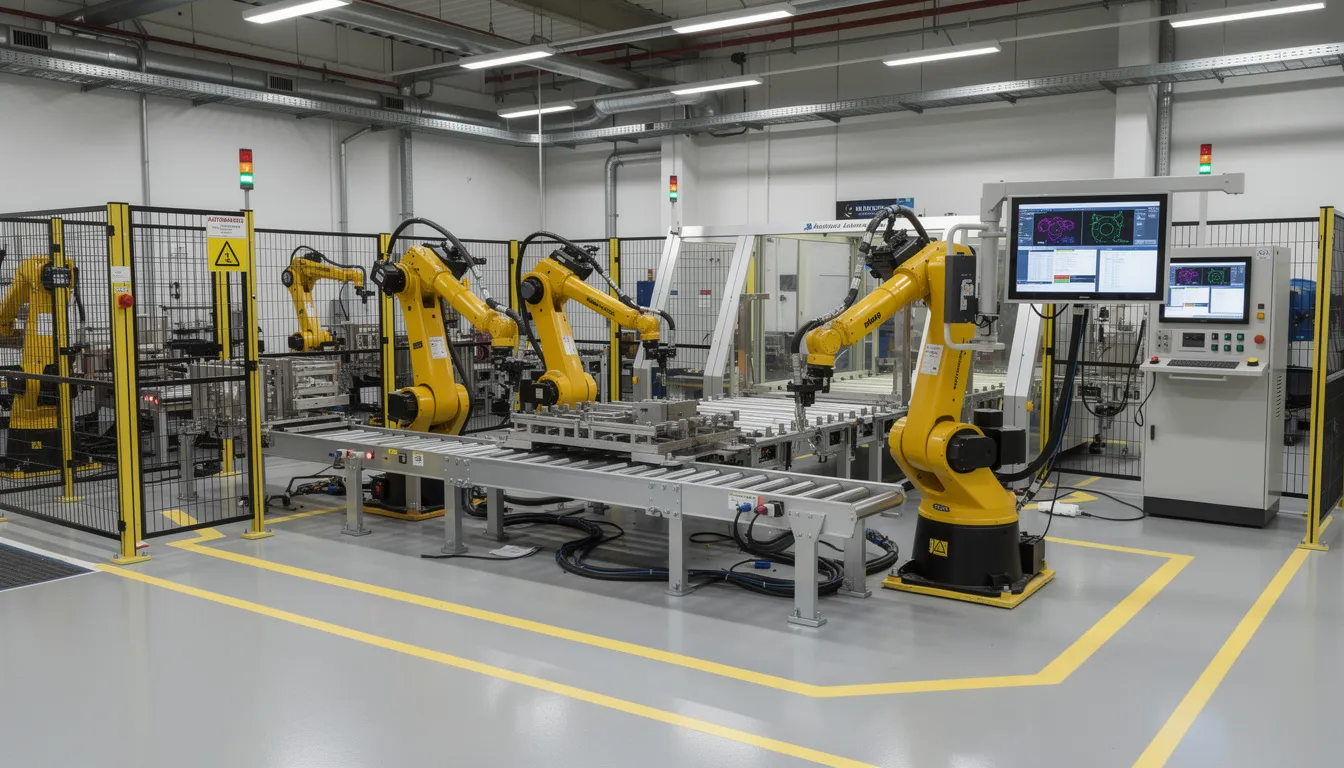
MES can help reduce safety stock levels, but it does not do this automatically and it should not be the primary justification for an MES project in a regulated, brownfield environment. Any stock reduction depends on better schedule adherence, shorter and more predictable cycle times, improved data visibility, and tighter integration with planning systems. In many plants, the first effect of MES is to reveal that variability and unplanned downtime are worse than believed, which can temporarily *support* current safety stock levels rather than reduce them. Material policy changes must be managed through formal planning processes, risk assessment, and validation where required.
MES typically provides more reliable order dispatching, real‑time WIP visibility, and accurate actual cycle-time data. If used well, this can reduce schedule slippage, late starts, and unplanned queue times, which are major drivers for high safety stock. It can also improve quality containment (faster identification of nonconforming material), which limits surprise scrap events that are often implicitly covered by extra inventory. However, these improvements only matter for safety stock if they are stable over time, measurable, and reflected in how planning parameters are maintained in ERP or APS.
In regulated industries, safety stock is often tied not only to demand and supply variability but also to qualification cycles, batch release lead times, and quality review bottlenecks. MES alone rarely shortens regulatory release steps without coordinated QMS, LIMS, and batch record changes, all of which carry validation and change-control overhead. Brownfield plants also face partial MES coverage, legacy equipment, and manual islands that limit achievable cycle-time predictability. As long as large parts of the process are unmanaged or poorly integrated, planners are rational to keep conservative safety stocks. Any attempt to reduce buffers without proven and sustained improvement in variability risks service failures or non-fulfilment of critical orders.
MES is primarily an execution and visibility system, while safety stock is determined in planning systems (ERP or APS) based on statistical assumptions about variability and service levels. If cycle-time variation, changeover performance, or first-pass yield do not actually improve, then simply having better visibility does not justify lower buffers. In fact, when MES exposes the true variability and downtime profile, recalculating safety stock with accurate data can show that previous levels were unrealistically low. Also, planners often lack the time, tools, or trust to continuously tune parameters, so they maintain existing buffers until they see multiple quarters of stable performance data.
Meaningful stock reduction requires robust integration between MES, ERP, and sometimes APS so that order status, actual lead times, and yields flow reliably into planning. Interface failures, inconsistent master data, or partial integrations often result in planners ignoring MES-derived data and reverting to manual spreadsheets and static assumptions. This disconnect makes it dangerous to reduce inventory based on optimistic project narratives rather than validated metrics. Only when integrations are stable, data reconciles cleanly, and cross-functional teams trust the numbers will planning parameters be adjusted in a controlled manner.
A pragmatic path is to use MES data first to quantify current variability, then to drive operational improvements (downtime reduction, changeover standardization, yield stabilization). Over several cycles, this allows you to demonstrate statistically that lead-time variability and unplanned losses have decreased. Planning or supply chain teams can then recalculate safety stocks in small, controlled steps, often with pilot product families and explicit risk monitoring. For regulated products, any change in inventory strategy should be supported by documented impact assessment, cross-functional review (operations, quality, planning, and regulatory as needed), and, where applicable, revalidation of planning models or electronic records.
Replacing legacy MES, scheduling, or even ERP systems solely to chase inventory reductions is usually unjustified in aerospace-grade or similar regulated environments. Full replacement brings qualification and validation burden, long downtime windows, and complex re-integration with QMS, PLM, and equipment interfaces. The risk of misaligned master data or cutover issues can temporarily *increase* the need for safety stock as a hedge against disruption. Typically, more value comes from stabilizing and extending existing systems, closing integration gaps, and systematically using the resulting data to adjust safety stocks, rather than betting on a greenfield system promising aggressive inventory cuts.
In many plants, the immediate MES benefits are better WIP tracking, fewer lost orders, and clearer accountability for delays. These improvements reduce fire-fighting and surprise shortages but do not by themselves warrant an immediate safety stock reduction. Over time, if MES-supported improvements reliably shorten and stabilize lead times and reduce scrap, the planning function can reassess buffers on a product-by-product basis. The plants that successfully lower inventories do so gradually, with clear metrics, conservative pilots, and strong change control, not by declaring that “MES will cut safety stock by X%” on day one.


Whether you're managing 1 site or 100, Connect981 adapts to your environment and scales with your needs—without the complexity of traditional systems.



Whether you're managing 1 site or 100, Connect981 adapts to your environment and scales with your needs—without the complexity of traditional systems.