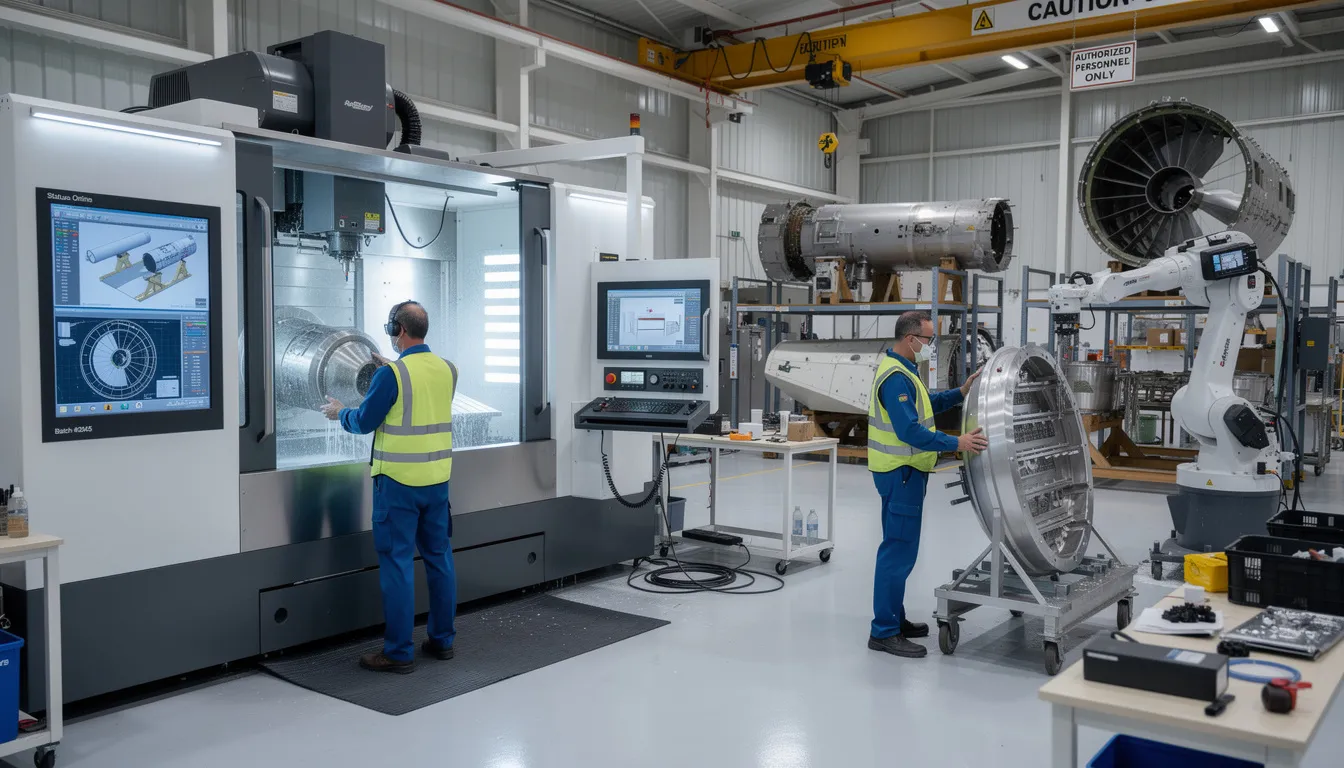
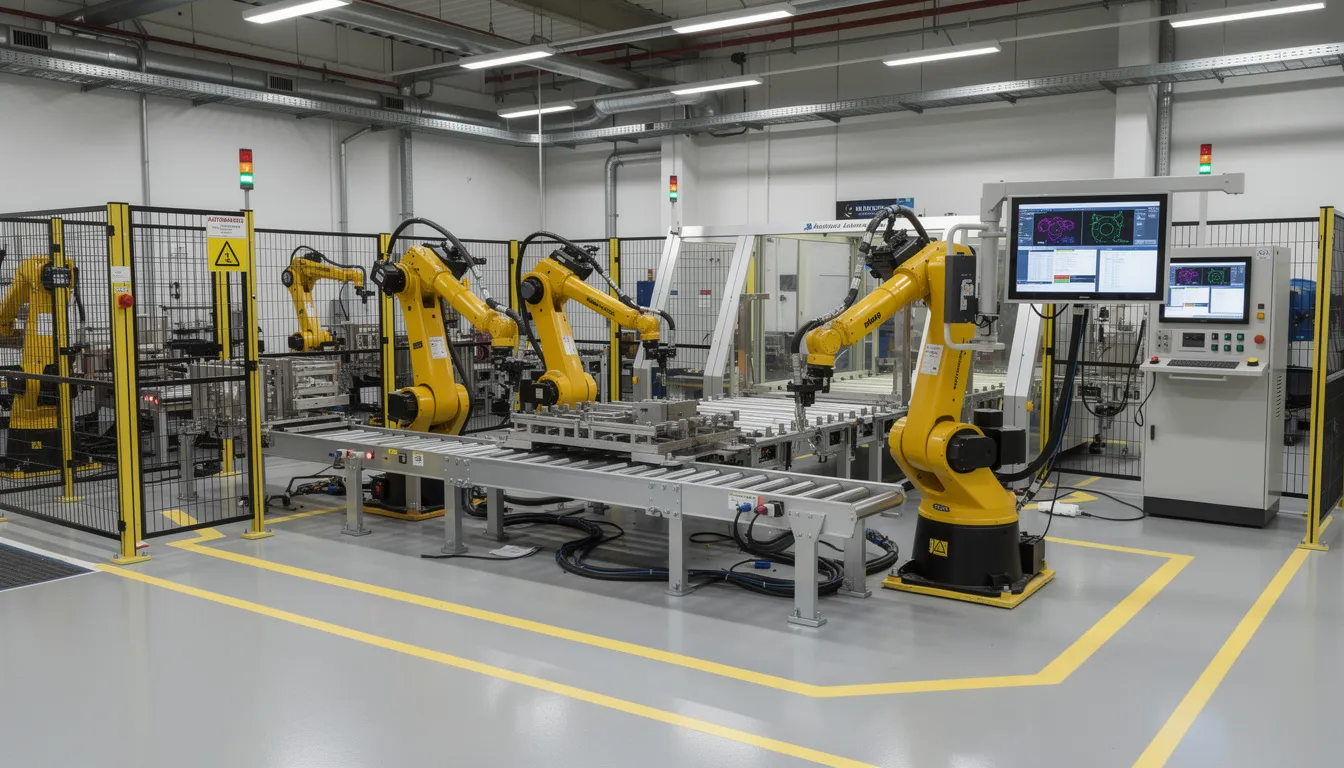
MES cannot eliminate AOG events, and it cannot compensate for bad engineering data, poor maintenance practices, or weak configuration control. What MES can do is reduce the likelihood that a part, assembly, or repair released from production or MRO becomes the root cause of an AOG. It does this mainly through better traceability, enforcement of process steps, and control of configuration and documentation at the point of execution. The effectiveness is highly dependent on the quality of master data, system integrations, user discipline, and the extent to which the MES is validated and used consistently. In brownfield environments, MES is one control among many, not a single solution.
Many AOG events are traced back to latent quality issues: incorrect parts, missed inspections, improper torqueing, or deviations not managed properly. MES can reduce these quality escapes by enforcing operation sequences, mandatory inspections, and signoffs tied to specific tasks and serial numbers. Electronic work instructions in MES can ensure technicians see the right revision of the procedure with the correct limits, torque values, and inspection criteria. When integrated with quality systems, MES can block progression if required inspections, measurements, or defect dispositions are incomplete, lowering the chance that a nonconforming part reaches the aircraft. This only works if inspection plans, limits, and routing logic are well maintained and kept in sync with engineering and quality standards.
In practice, this connects to shop floor execution control when teams need to turn the answer into repeatable execution habits.
A common path to AOG is discovering a configuration mismatch: a part installed that is not approved for that tail number, a missing service bulletin, or an unrecorded modification. MES can strengthen configuration control by capturing as-built data at the serial and lot level, including which specific parts, revisions, and service bulletins were applied. When connected to PLM or configuration management systems, MES can enforce that only approved part numbers, revisions, and alternates are used at each operation. For MRO or modification work, MES can help record as-maintained configurations, but it must be integrated with the maintenance information system to be effective. Without disciplined configuration rules and clean reference data, MES can still record the wrong configuration more accurately, which does not help prevent AOG.
MES does not just help reduce the probability of AOG; it can also shorten the investigation time once an AOG exists. Detailed genealogy, process history, and operator signoffs allow teams to quickly trace which batches, serials, and operations used the same process, tools, or components. This can narrow the suspect population and help determine whether an event is isolated or systemic, which is critical for deciding whether to ground additional aircraft or quarantine larger inventories. Faster, more accurate root cause analysis can reduce duration and spread of an AOG-related issue, but only if MES data is trusted and consistently captured. If operators bypass steps, use generic logins, or attach incomplete records, the apparent traceability can be misleading and delay resolution.
In some organizations, MES capabilities are extended into MRO or heavy maintenance checks, while in others, separate MRO/maintenance systems handle aircraft-level work. Where MES is used in MRO, it can help ensure that correct service bulletins, airworthiness directives, and task cards are applied in sequence, and that required inspections and signoffs occur before release to service. Even when MES is limited to component shops and engine/module overhaul, better control of repair processes and parts traceability reduces the chance that a faulty or unapproved component returns to the aircraft and later triggers an AOG. Integration between MES, MRO, and continuing airworthiness systems is critical; without this, the aircraft record can diverge from the component and shop-floor records.
AOG events often emerge from comparatively small gaps: expired tooling, lapsed calibration, outdated procedures, or incomplete documentation at the moment a component is needed. MES can mitigate this by checking tool calibration status, ensuring required tooling is available and valid before allowing work to proceed, and linking work orders to current procedures and drawings. It can also ensure that mandatory data (like test results or certificates) is recorded and associated with the serialized component. However, this depends on reliable interfaces to calibration systems, document control, and ERP, as well as strict change control. If those integrations are weak, MES may still allow work to progress based on stale or incorrect status information, undermining its value in preventing downstream AOG.
In most aerospace environments, MES is layered onto existing ERP, PLM, QMS, MRO, and legacy shop-floor systems rather than replacing them wholesale. Attempting a full system replacement to “solve AOG” usually fails due to validation burden, aircraft qualification implications, downtime risk, and the complexity of re-qualifying all integrations and reports. A more realistic approach is to target specific AOG drivers—such as missing traceability for high-value rotables, poor control of alternates, or inconsistent application of service bulletins—and strengthen MES controls and integrations around those. This may mean coexisting with legacy travelers, spreadsheets, and local tools for an extended period while progressively hardening the MES-controlled parts of the process. The benefits to AOG risk only materialize when changes are governed by proper change control, regression-tested, and validated for their intended use.
MES helps prevent AOG events indirectly, by reducing process and configuration errors and by improving the speed and precision of investigations when things go wrong. To see meaningful AOG impact, organizations typically need clean master data, clear configuration rules, validated integrations between MES, ERP/PLM/MRO, and disciplined shop-floor usage with minimal workarounds. Plants must also accept that MES will sometimes stop work or delay release when data is incomplete or out of date, which can be uncomfortable but is precisely what helps avoid downstream AOG. Without these preconditions, MES can provide an illusion of control while critical gaps remain. Leaders should treat MES as one control layer in a wider safety, quality, and configuration management system, not as a standalone solution for AOG prevention.


Whether you're managing 1 site or 100, Connect981 adapts to your environment and scales with your needs—without the complexity of traditional systems.



Whether you're managing 1 site or 100, Connect981 adapts to your environment and scales with your needs—without the complexity of traditional systems.