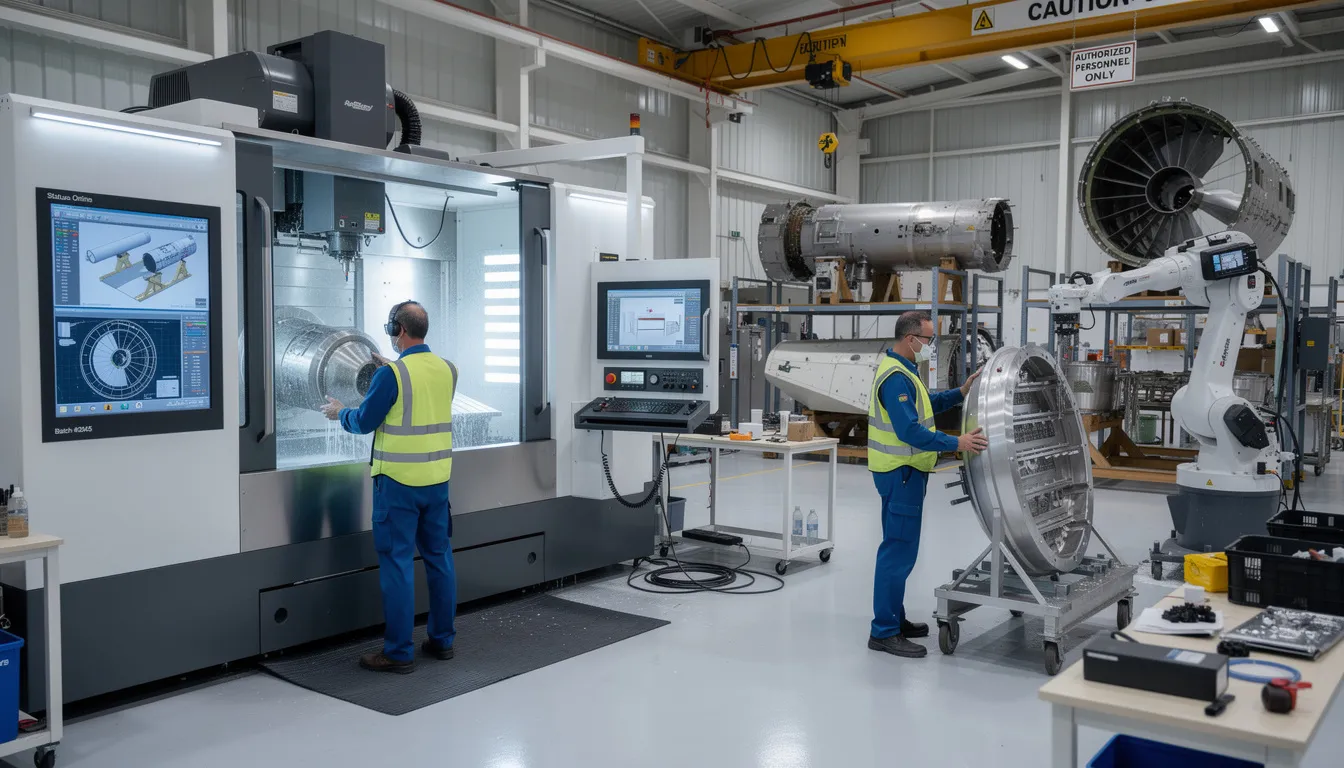
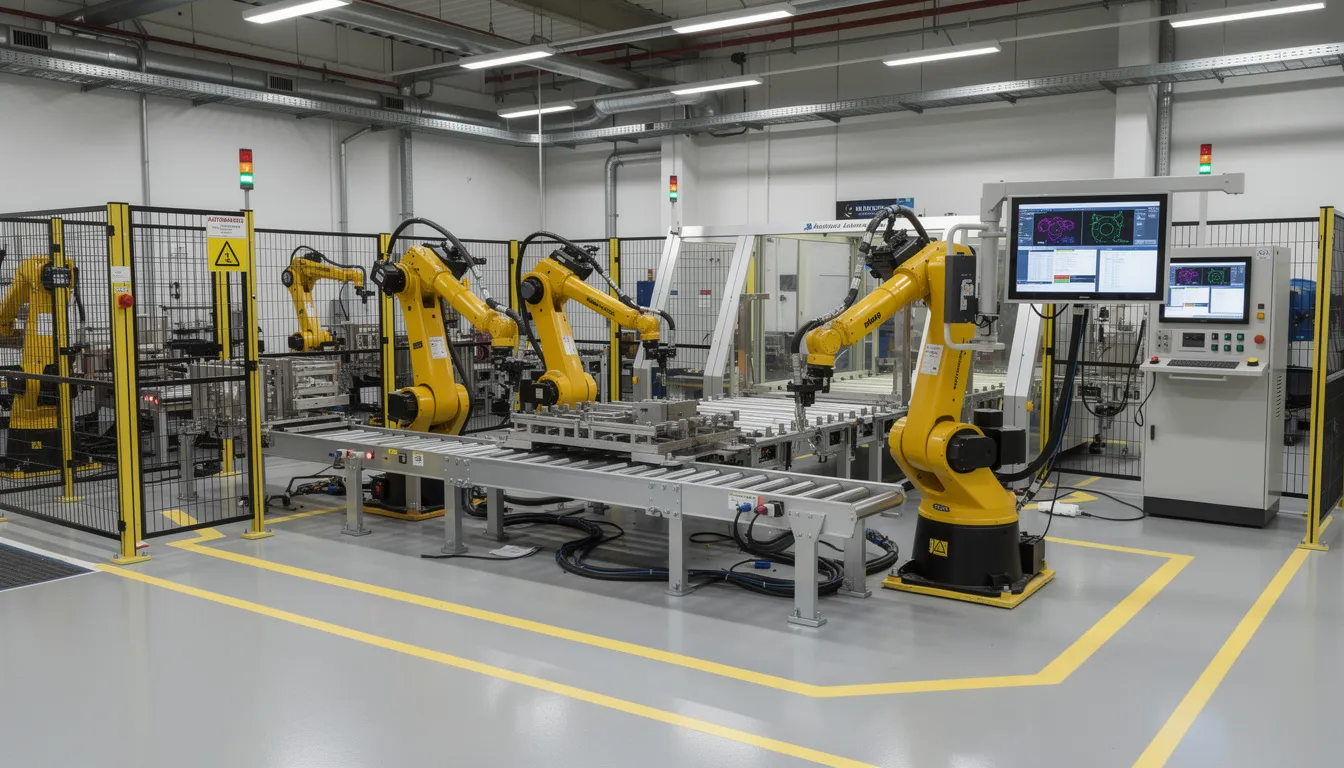
In most regulated manufacturing environments, MES alert thresholds should be reviewed on a defined cadence rather than left as set-and-forget. A common pattern is a light-touch review monthly for high-risk or unstable processes, and at least quarterly for stable, mature lines. Very critical alerts tied to patient or flight safety may justify more frequent checks, but each change will carry validation and change control overhead. For less critical productivity alerts (like minor OEE losses), semi-annual reviews can be acceptable, provided there is ongoing monitoring of nuisance alarms and misses. Whatever cadence you pick, it should be documented, risk-based, and aligned with your overall quality and change control procedures.
In addition to the baseline cadence, certain events should automatically trigger a review of MES alert thresholds. Typical triggers include process changes, equipment retrofits, new product introductions, updated specifications or control limits, and recurring deviations or CAPAs in the same area. Significant shifts in incoming material quality or supplier changes can also invalidate previously reasonable alert settings. If operators are routinely overriding, ignoring, or working around alerts, that behavior is another signal to reassess whether thresholds or logic are appropriate. These event-driven reviews often matter more than the calendar, because they catch situations where the original assumptions behind the thresholds are no longer true.
In practice, this connects to shop floor execution control when teams need to turn the answer into repeatable execution habits.
Alert thresholds sit at the tradeoff between catching issues early and overwhelming operators with noise. If thresholds are too tight, you increase nuisance alarms, erode operator trust, and may drive unsafe workarounds or undocumented bypasses. If thresholds are too loose, you risk missing real issues or seeing them only after nonconforming product is produced. In regulated environments, this tradeoff is constrained by approved specifications, validated control strategies, and documented risk assessments. Reviews should explicitly look at alert hit rates, false positives, false negatives, and downstream impact (rework, scrap, deviations), not just whether the system is technically “working.” Any proposal to relax alerts should be risk-justified and formally approved.
How often you can *realistically* adjust thresholds is limited by your data quality, validation requirements, and change control process. If every MES configuration change requires formal validation, documentation updates, and retraining, you cannot sustainably tweak thresholds weekly without overwhelming the organization. In that case, you may opt for more frequent analytical reviews but bundle actual configuration changes into controlled releases (for example, quarterly). Plants with better automated testing, configuration management, and clear segregation of GxP and non-GxP alerts can move faster for non-critical alerts while keeping tight control on safety- and quality-critical ones. The key is to avoid ad hoc changes outside of defined procedures, even when the intent is to “improve” performance.
In brownfield environments, MES alert thresholds rarely exist in isolation; they interact with PLCs, historians, LIMS, QMS, and sometimes legacy SCADA alarms. A change that seems minor in MES can conflict with shop-floor alarm philosophies, duplicate or contradict ERP or QMS rules, or break established operator routines. This is one reason full replacement or large-scale reconfiguration of alarm logic often fails in aerospace-grade or similar contexts: the integration complexity and requalification burden are high, and unexpected side effects surface late. Reviews should therefore consider not only MES data and performance, but also how alerts line up with existing alarm matrices, SOPs, and training across the ecosystem. Coordination with controls, quality, and operations is essential before implementing threshold changes in mixed-vendor stacks.
A structured MES alert review should look at a few consistent elements each time. First, analyze statistics: how often each alert fires, distribution by shift, product, and equipment, and how many events led to actual nonconformances or deviations. Second, gather qualitative feedback from operators, supervisors, and maintenance on which alerts are ignored, unclear, or systematically bypassed. Third, compare thresholds to current process capability, approved specifications, and control limits, checking for drift or misalignment. Finally, document any proposed changes, associated risk analysis, and validation impact, and route them through formal change control. This turns “how often” into a disciplined recurring activity rather than sporadic tweaking.
The appropriate review frequency ultimately depends on your risk profile, process stability, and organizational maturity. Sites with rapidly changing products, frequent engineering changes, and evolving automation will need more frequent reviews to keep MES alerts meaningful. Highly stable, legacy lines with long-qualified processes may only justify in-depth reviews annually, with interim checks focused on nuisance alarms and obvious pain points. Wherever you fall on that spectrum, what matters is a documented, risk-based rationale for your cadence, clear roles and responsibilities, and evidence that reviews actually lead to controlled improvements rather than constant untracked changes. Over time, using metrics and feedback to refine the cadence is more valuable than trying to guess a perfect interval up front.


Whether you're managing 1 site or 100, Connect981 adapts to your environment and scales with your needs—without the complexity of traditional systems.



Whether you're managing 1 site or 100, Connect981 adapts to your environment and scales with your needs—without the complexity of traditional systems.