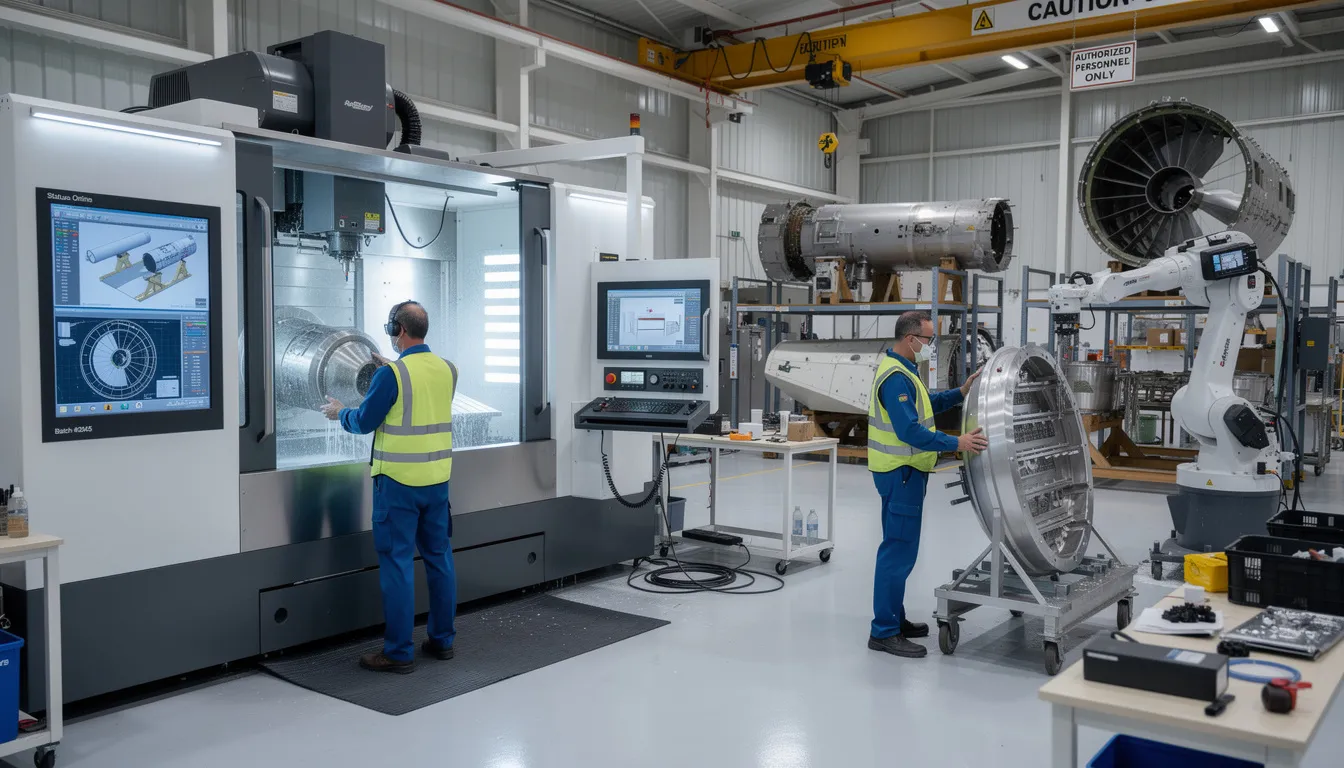
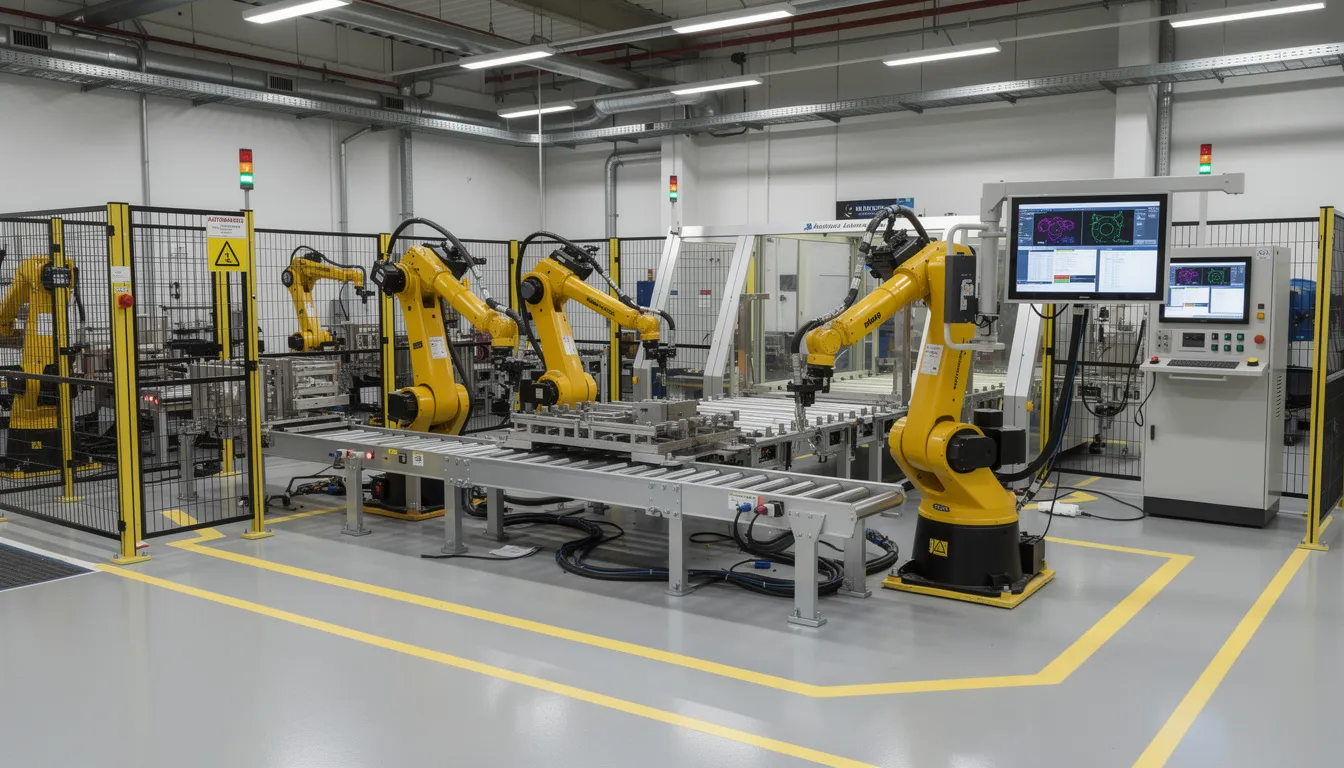
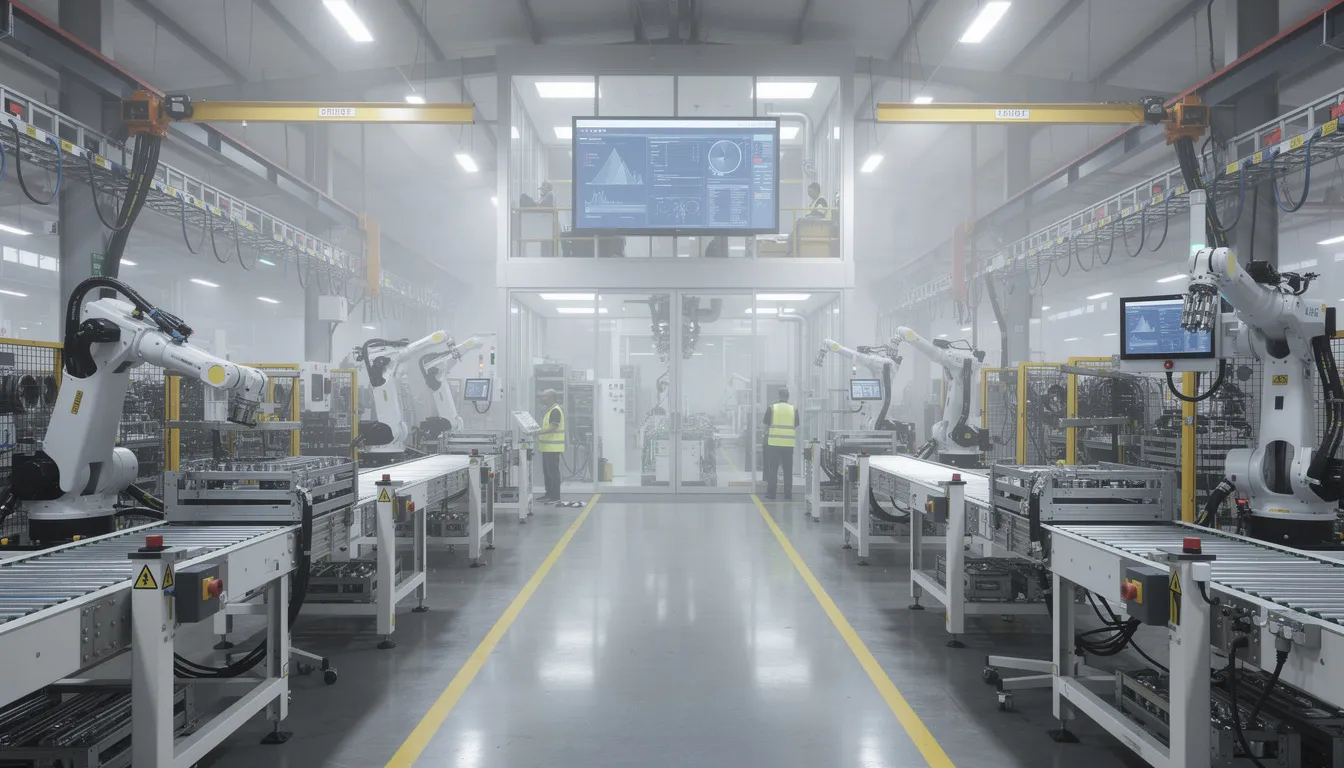
In industrial and manufacturing environments, “WO management” almost always stands for “work order management“.
Work order management covers the processes and systems used to:
In practice, this connects to a connected execution platform when teams need to turn the answer into repeatable execution habits.
In brownfield plants, work order management usually spans multiple systems (for example, ERP for order creation, MES for execution, a CMMS for maintenance, and a QMS for quality holds and rework). The specific meaning of “WO” in a given report or application can depend on how those systems are configured and integrated, so it is worth confirming locally if you see any ambiguity.
In regulated environments, effective work order management is closely tied to traceability, validation of system changes, and controlled workflows. It does not, by itself, imply compliance or a particular audit outcome; those depend on how the underlying processes and systems are designed, documented, validated, and maintained over time.


Whether you're managing 1 site or 100, Connect 981 adapts to your environment and scales with your needs—without the complexity of traditional systems.



Whether you're managing 1 site or 100, C-981 adapts to your environment and scales with your needs—without the complexity of traditional systems.