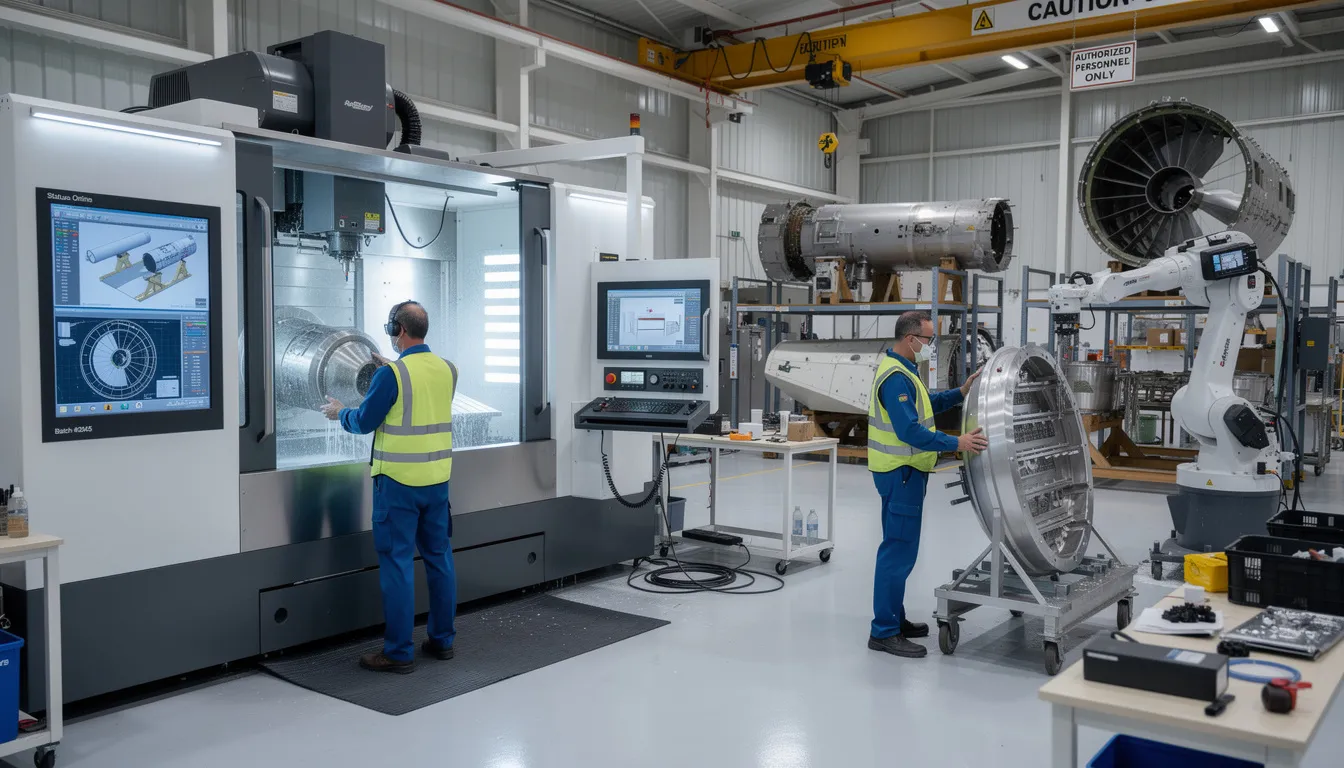
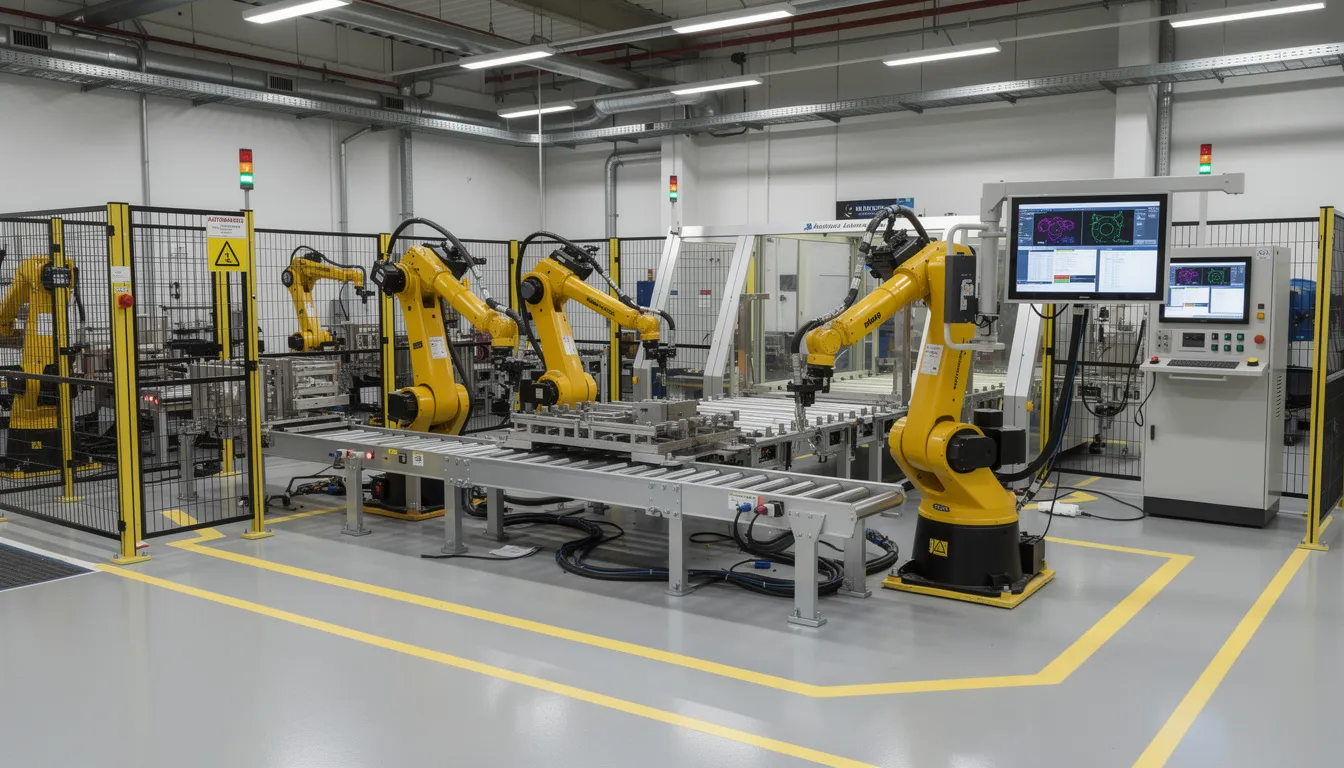
“ANSI code 95” is not a single, universally recognized standard or fault code. ANSI publishes hundreds of standards, and the number 95 can appear in multiple designations. On its own, the phrase is ambiguous and unsafe to rely on in a regulated industrial environment.
Why “ANSI code 95” is ambiguous
Without context, “ANSI code 95” could refer to several different things, for example:
- A specific ANSI standard whose full designation includes 95, such as older robotics or safety standards (e.g., historical ANSI/RIA R15.06-19xx revisions), electrical rules, or identification standards.
- A vendor- or plant-specific error or alarm code that someone labeled as “ANSI 95” in an HMI, PLC program, DCS, or CNC control, often to indicate a particular type of fault (for example, a communications issue or interlock violation).
- An internal shorthand in procedures or work instructions that was never fully specified in controlled documentation.
None of these are inherently “the” official meaning of “ANSI code 95”. You need the surrounding context to know what it actually refers to in your facility.
How to identify what it means in your plant
In a regulated, brownfield environment, treat any reference to “ANSI code 95” as a documentation and traceability question:
- Capture the exact context: Where did you see it?
- Machine HMI or alarm screen
- PLC ladder logic, function block, or structured text comments
- CNC diagnostic screen or OEM alarm list
- Maintenance procedure, SOP, or work instruction
- Drawing, label specification, or safety sign spec
- Check controlled documents first:
- Look in equipment manuals, OEM alarm code lists, and commissioning reports.
- Search your document control or PLM/QMS system for the exact string (for example, “ANSI 95”, “ANSI-95”).
- Review any functional specifications or FMEAs that describe error or alarm coding.
- If it appears to be a standard reference, identify the full designation:
- ANSI standards are normally cited with a prefix and year (for example, “ANSI/RIA R15.06-1999”, “ANSI Z535.4-2011”).
- If only “95” is mentioned, assume the reference is incomplete until you can verify the full title and year through ANSI, your standards library, or your compliance group.
- If it appears to be an internal or vendor alarm code:
- Trace it back to the OEM error code documentation or the PLC/HMI project.
- Document what condition triggers it, what the operator/maintenance response should be, and any product-quality impact.
- Bring the explanation under change control in your maintenance manuals, digital work instructions, or MES alerts.
- Correct ambiguous uses through change control:
- If SOPs or HMIs show “ANSI code 95” without definition, treat it as a gap.
- Raise a change request to replace it with an explicit description: the full standard name or the defined alarm description.
- Update validation and training materials where the code is relevant to product or process risk.
Why this matters in regulated, long-lifecycle environments
Vague references like “ANSI code 95” create several problems in aerospace, medical, or other regulated manufacturing:
- Traceability: Auditors often expect clear linkage from requirements (standards, customer specs) to design, process controls, and work instructions. An undefined “code 95” breaks that chain.
- Validation and qualification: If an alarm or interlock is part of a validated control strategy, the code and its behavior need to be fully specified and traceable to risk analyses and test evidence.
- Knowledge continuity: When experienced staff leave, undocumented code numbers become tribal knowledge gaps, which can extend downtime or lead to incorrect responses to faults.
- System coexistence: Brownfield stacks often combine older controls, newer HMIs, and layered MES/QMS systems. A loosely used phrase like “ANSI 95” might mean different things in different systems unless explicitly harmonized.
Attempting to “fix” this only by replacing an entire control system or MES rarely works in these environments, because of qualification burden, line downtime risk, and integration complexity. It is usually more realistic to standardize and properly document the meaning of such codes across existing systems.
Practical steps you can take
If you are responsible for operations, engineering, or quality and encounter “ANSI code 95” in your environment:
- Log it as an issue in your CAPA or problem-tracking system if it affects safety, product quality, or operator decision making.
- Assign ownership to the appropriate system owner (controls engineer, maintenance lead, or standards/compliance engineer).
- Define and document the meaning in controlled documents and, where possible, in-line in the system (HMI text, alarm help, digital work instructions).
- Train operators and maintenance on the clarified meaning and required response, capturing training records where required.
Until you have that clarification, you should not treat the phrase “ANSI code 95” as a reliable or sufficient description of a standard, configuration requirement, or fault condition.