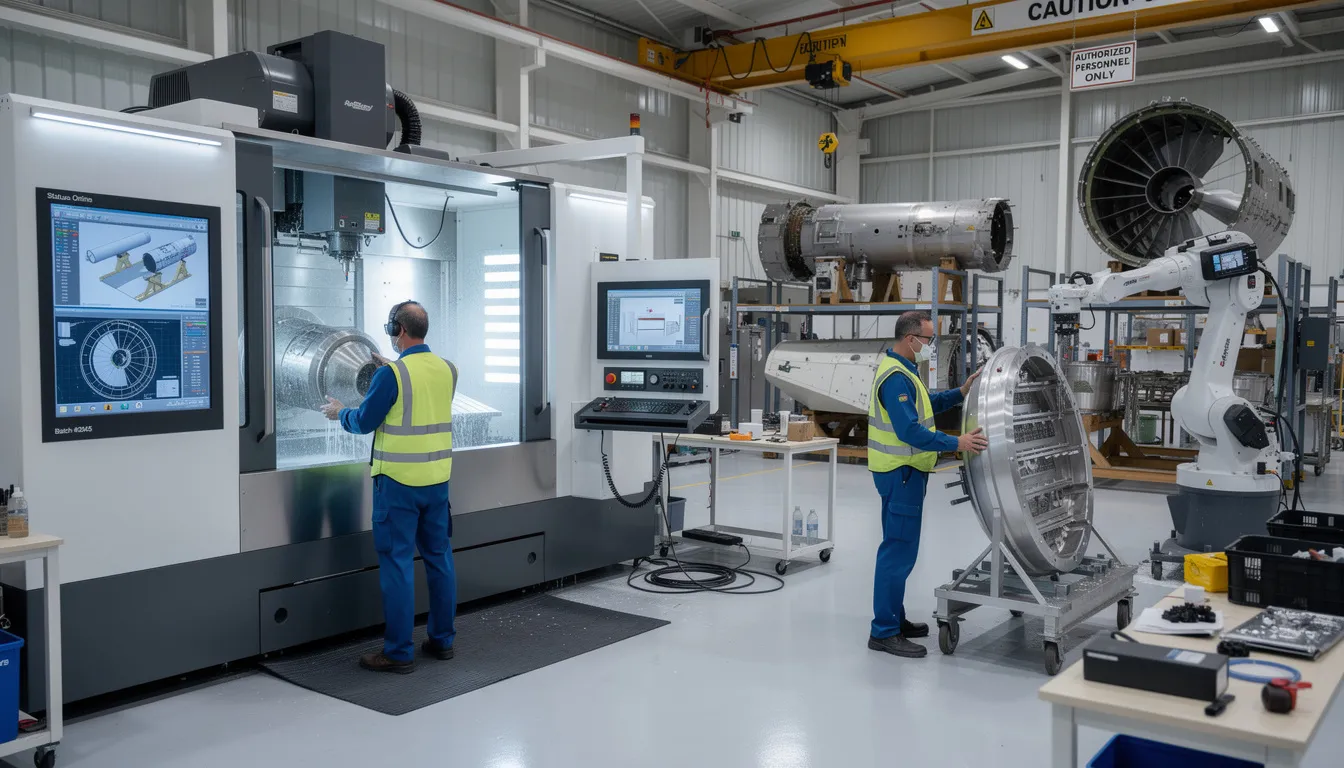
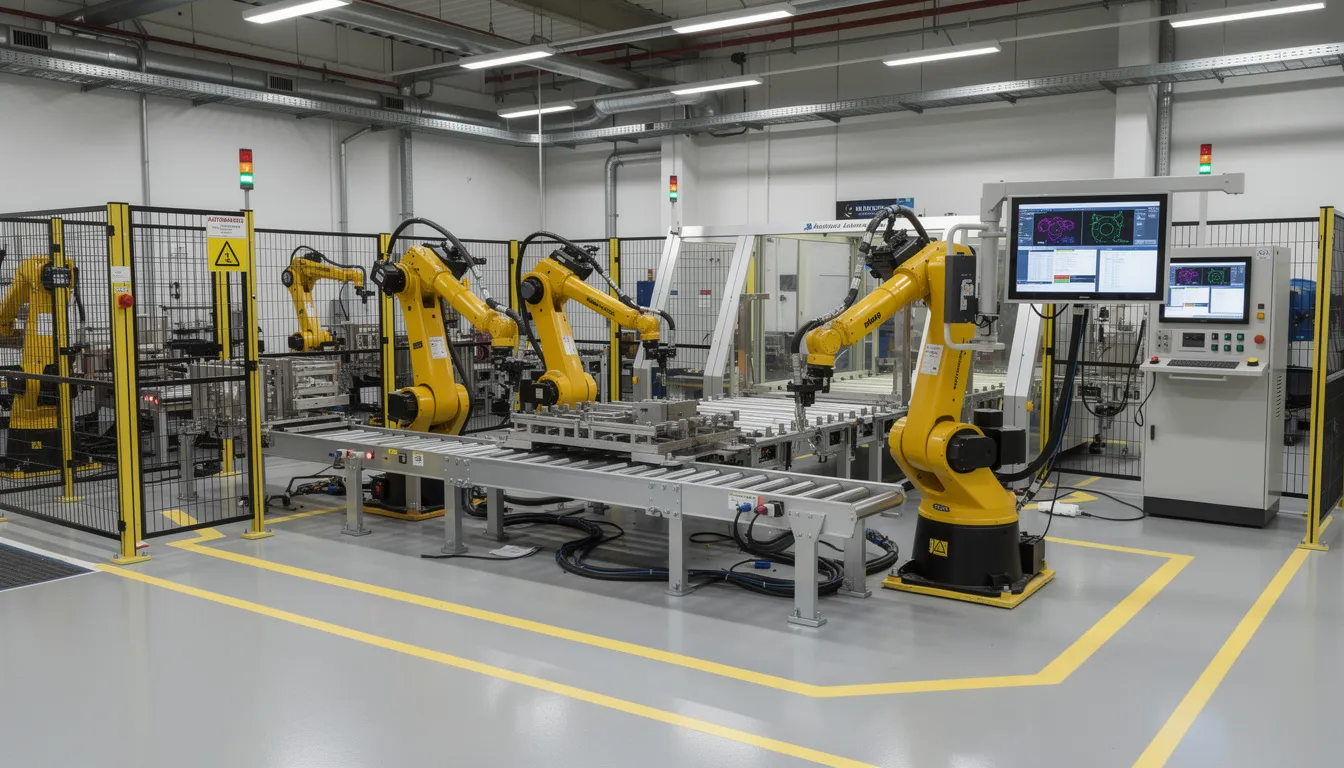
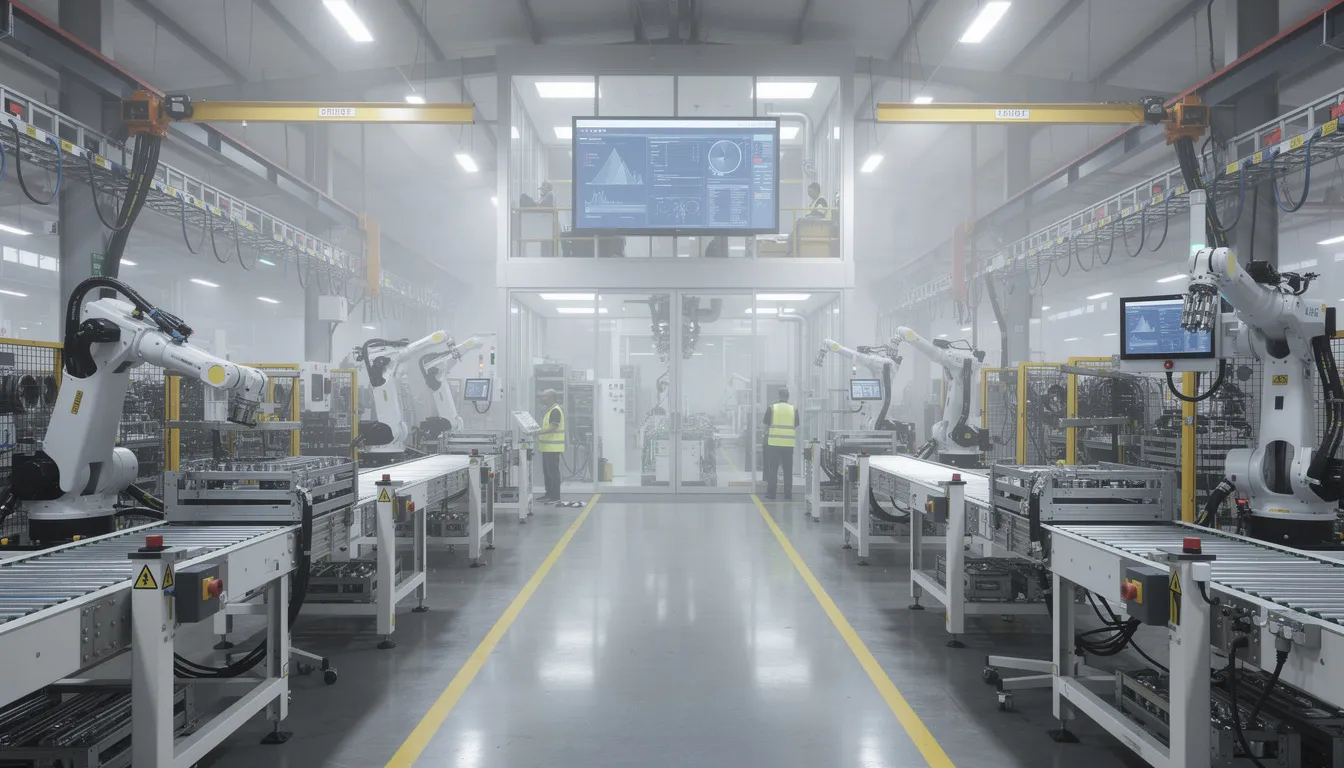
In most industrial and regulated manufacturing environments, MES and MIS refer to different layers of the information stack, even though some vendors blur the line.
Core difference
MES (Manufacturing Execution System) focuses on controlling and tracking production as it happens on the shop floor:
In practice, this connects to MES execution control when teams need to turn the answer into repeatable execution habits.
- Dispatches and sequences work orders and operations.
- Collects machine, process, and operator data in real time.
- Enforces routings, process parameters, and digital work instructions.
- Captures genealogy, traceability, and electronic batch records.
- Integrates tightly with equipment, PLCs, and sometimes SCADA.
MES is typically part of the validated system landscape in regulated environments and directly affects product realization, so changes often require formal change control and, in some cases, revalidation.
MIS (Management Information System) is a broader term for systems that provide management with information for planning, monitoring, and decision-making:
- Aggregates data from ERP, MES, QMS, maintenance, and finance systems.
- Provides dashboards, KPIs, trend reports, and summaries.
- Supports medium- and long-term planning and performance management.
- Often built on data warehouses, reporting tools, or BI platforms.
MIS is usually more about reporting and analytics than direct control of production, and may not be validated to the same depth as MES unless it is used for regulated decisions or records.
How they coexist in brownfield environments
In existing plants with mixed systems, you typically see the following pattern:
- MES sits between ERP and the shop floor, orchestrating orders, collecting execution data, and maintaining traceability.
- MIS consumes data from MES, ERP, QMS, and other systems to produce management reports (OEE, NPT, COPQ, on-time delivery, etc.).
Because many sites have legacy MES, homegrown reporting, and partial integrations, the practical boundary can vary:
- Some MES products include dashboard and reporting modules that behave like an MIS.
- Some plants use an MIS or BI layer to “paper over” gaps in older MES or ERP capabilities.
- In highly regulated plants, MIS components that derive or present quality-impacting metrics may need controlled, validated data flows from MES/QMS.
Tradeoffs and constraints
When deciding what belongs in MES vs MIS in a regulated, long-lifecycle environment:
- Change control & validation: Putting more logic in MES (e.g., complex KPIs or planning rules) can increase validation and change-control overhead. Moving purely analytical logic to an MIS/BI layer can reduce the burden, but only if data lineage remains clear.
- Downtime risk: MES outages directly affect production. MIS outages typically affect visibility, not execution. Overloading MES with reporting can increase performance and availability risk.
- Integration debt: MIS depends heavily on data quality and integration from MES/ERP/QMS. In many brownfield plants, poor integrations limit what MIS can reliably do without manual reconciliation.
- Replacement strategies: Replacing MES entirely with an “all-in-one MIS/BI platform” rarely works in aerospace, pharma, or medical-device contexts. The qualification burden, shop-floor integration complexity, downtime, and traceability requirements make full rip-and-replace risky and expensive. Most sites end up incrementally modernizing MES while layering or upgrading MIS/reporting.
Practical rule of thumb
- If it directly controls, sequences, or records production steps or affects product genealogy, it usually belongs in MES.
- If it aggregates information across systems for management decisions and does not directly control machines or operators, it usually belongs in MIS.
Exact boundaries will depend on your plant’s system history, regulatory expectations, and how your current vendors define and partition their products.