In NIST Special Publication 800-53 Revision 5, the PT control family is “Personally Identifiable Information Processing and Transparency”.
What the PT family covers
The PT family defines controls for how an organization handles and communicates about personally identifiable information (PII). At a high level, PT controls address:
- Why and how PII is processed (purpose specification and data minimization).
- Individual awareness and transparency (notices, consent where required, and clear communication of uses).
- PII management (access, correction, and in some cases deletion or restriction, aligned with applicable law and policy).
- Accountability (governance, roles, and monitoring around PII processing).
Relevance in industrial and regulated environments
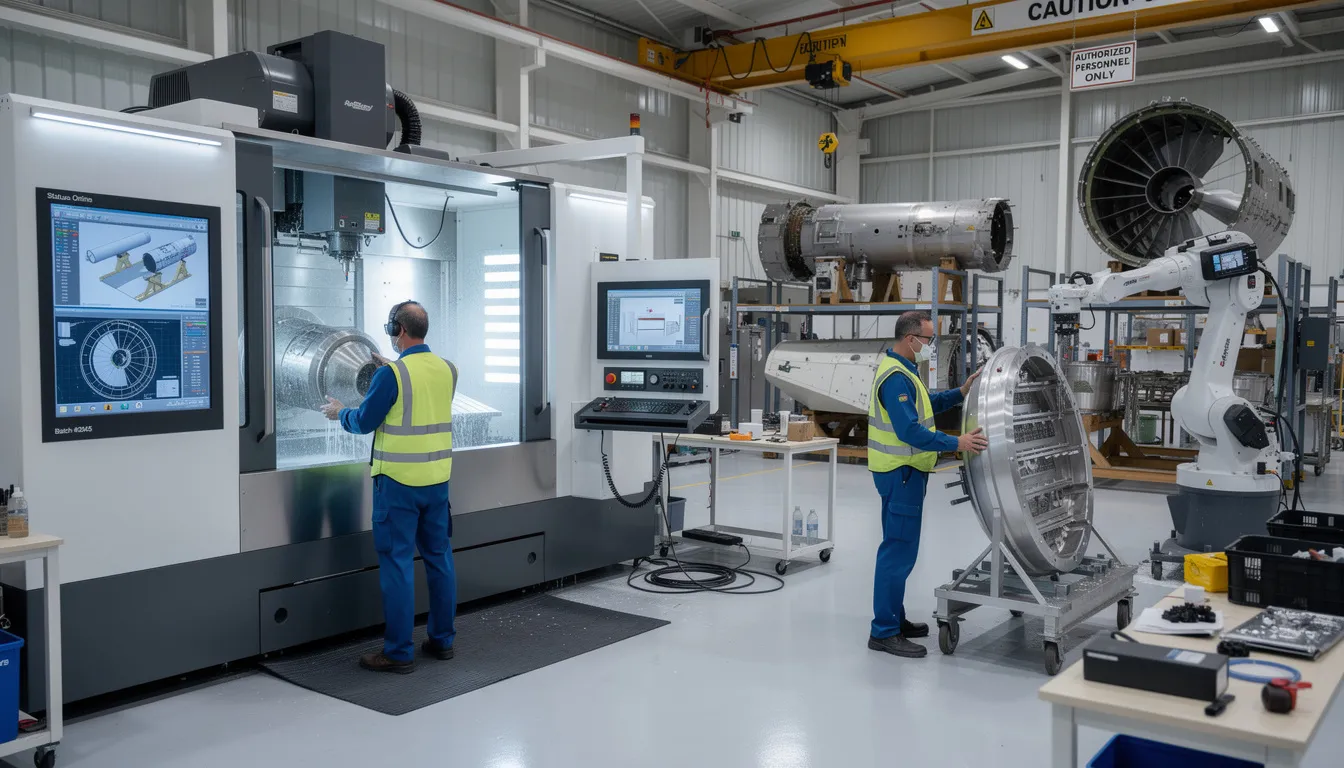
In manufacturing and other industrial settings, PT controls typically apply to systems and processes that handle:
- Workforce data (HR systems, training records, badge and access logs, health/safety records where in scope).
- Contractor and supplier personnel data (onboarding systems, visitor management, background checks where applicable).
- Engineering and operations tools tied to individuals (e.g., operator IDs in MES, QMS, or LIMS; digital signatures in batch records or deviation systems, especially when those records are exported or reported outside the plant).
- Customer or patient data in after-sales, warranty, or post-market surveillance systems, where those are integrated with manufacturing or quality records.
How you implement PT controls depends heavily on your jurisdiction (e.g., GDPR, CCPA, other local law) and your internal privacy program. NIST 800-53 provides a control framework, not a legal interpretation, so privacy counsel and corporate policy usually drive the concrete requirements.
Brownfield and coexistence considerations
In a typical brownfield environment, PT controls are implemented across a mix of legacy and modern systems:
- Legacy MES/ERP/QMS may not support fine-grained PII separation, data minimization, or configurability for privacy notices. Organizations often have to compensate with procedures, role-based access, and additional logging or reporting layers.
- Multiple authoritative sources of PII (HR, visitor systems, badge systems, training systems) can make it difficult to document processing purpose and data flows, which PT expects you to understand and manage.
- Integration projects that replicate PII across systems increase the PT burden: each interface can create new transparency, retention, and access obligations.
Full replacement of core plant systems purely for privacy reasons is rarely practical in regulated manufacturing, because of validation burden, qualification, downtime risk, and knock-on effects on traceability. Most organizations instead layer PT-aligned privacy controls on top of existing infrastructures, harden access, and rationalize where PII is stored.
Practical implications for operations and engineering leaders
For leaders in operations, engineering, quality, and OT/IT, PT controls typically translate into:
- System inventories and data flow mapping that clearly identify where PII appears in manufacturing, quality, and maintenance workflows.
- Configuration choices to avoid collecting more PII than needed (e.g., using role IDs instead of full names where possible, restricting export fields).
- Procedures and training so supervisors and engineers understand how to handle reports and logs containing operator names or other identifiers.
- Change control and validation for any modifications to how PII is captured, stored, retained, or reported by MES, DCS, historians, or QMS, to maintain traceability and meet both privacy and regulatory expectations.
In short, PT is the NIST 800-53 control family that frames how your organization should govern PII processing and transparency. In industrial environments, it must be carefully interpreted against existing plant systems, operational constraints, and applicable privacy law, rather than treated as a simple checklist.