PDCA (Plan-Do-Check-Act) is the management and improvement cycle that ISO 9001:2015 is built around. The standard does not treat PDCA as an optional tool, but as the basic logic for how a quality management system (QMS) is planned, run, monitored, and improved.
How PDCA maps to ISO 9001:2015 clauses
ISO 9001:2015 is structured to follow PDCA across the whole QMS:
In practice, this connects to the ISO 9001 quality baseline when teams need to turn the answer into repeatable execution habits.
- Plan: Understand context and risks, define processes and objectives.
- Key clauses: 4 (Context of the organization), 5 (Leadership), 6 (Planning), selected parts of 7 (Support).
- Typical activities: defining process interactions, setting quality objectives and KPIs, risk-based thinking, resource and competence planning, document and data control strategies.
- Do: Operate the processes as planned and controlled.
- Key clause: 8 (Operation).
- Typical activities: executing production and service provision, managing changes, controlling external providers, using work instructions, travelers, inspection plans, and production records.
- Check: Monitor performance and compliance to planned arrangements.
- Key clause: 9 (Performance evaluation).
- Typical activities: process and product monitoring, analysis of production and quality data, internal audits, management review, supplier performance review.
- Act: Take action based on what was learned to improve the QMS and its processes.
- Key clause: 10 (Improvement).
- Typical activities: corrective action, addressing nonconformities, preventive and risk-based actions, structured continuous improvement projects, updating procedures and controls under change control.
Role of PDCA in a regulated, brownfield environment
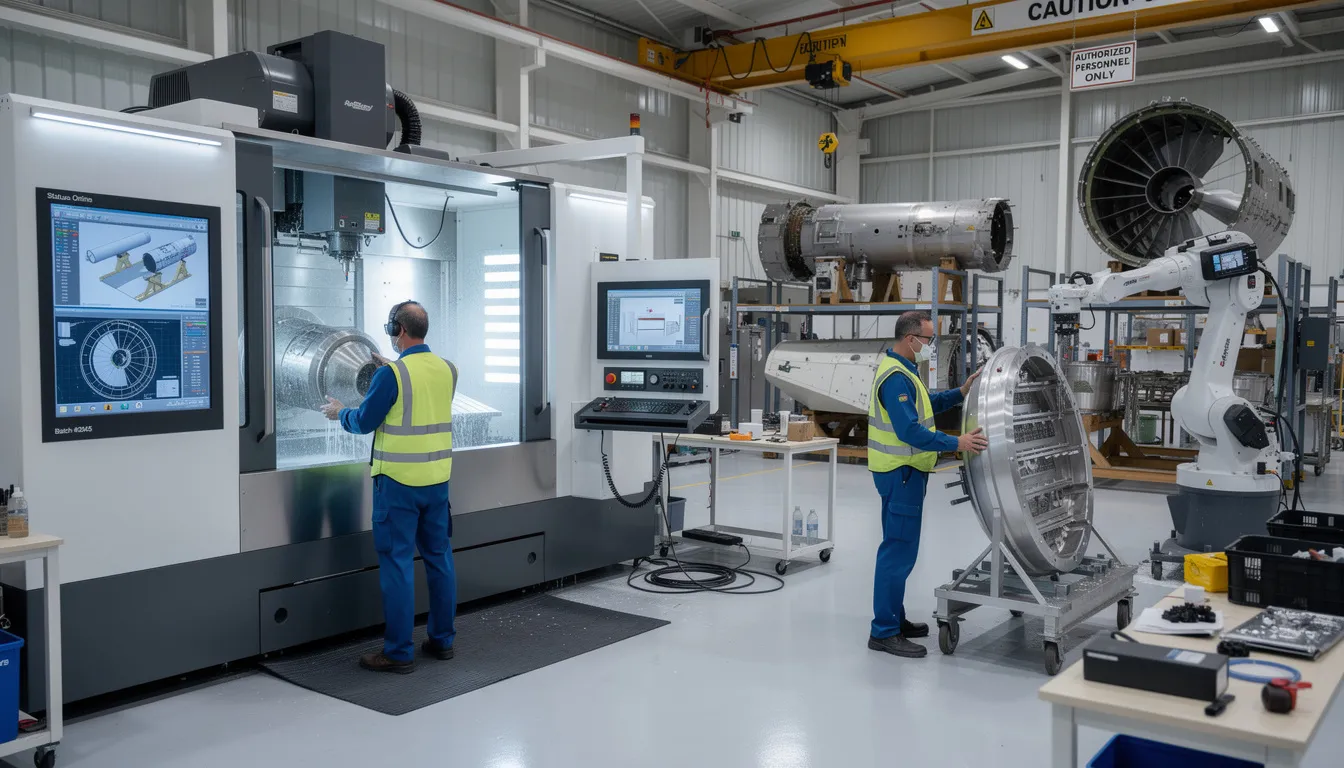
In industrial and aerospace-grade operations, PDCA is not a separate “tool” layered on top of existing systems. It is the way you coordinate them:
- Plan often lives across multiple systems: requirements in ERP/PLM, risk registers, process maps, and controlled procedures in QMS or document control tools.
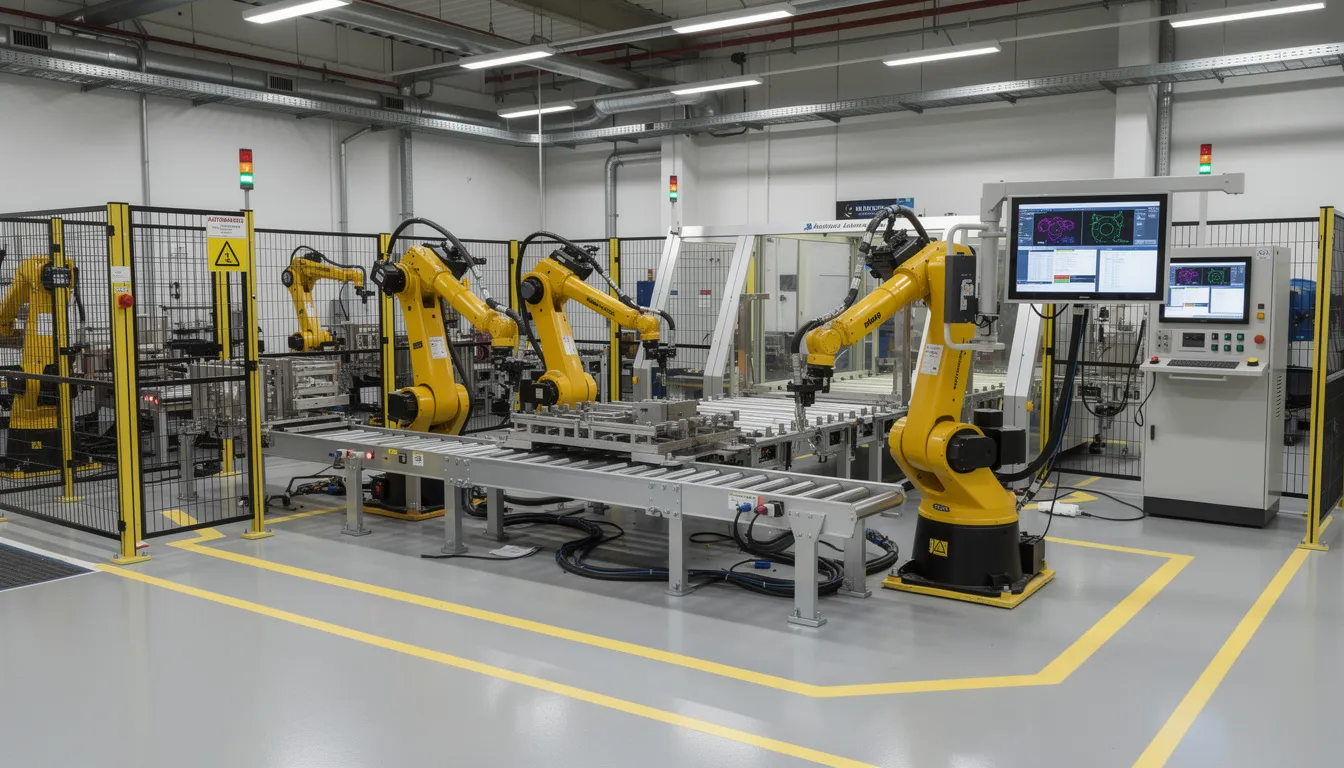
- Do is executed via legacy MES, paper or hybrid travelers, machine controls, MRO systems, and supplier portals that cannot be simply replaced without major requalification and downtime.
- Check relies on data pulled from these disparate systems: QMS (NCRs/CAPA), MES or travelers (as-built, scrap, rework), ERP (delivery and cost), and audit findings.
- Act must respect change control, validation, qualification of equipment and software, and the long lifecycle of assets and documentation.
Because of this, PDCA in ISO 9001:2015 is less about installing a new improvement program and more about ensuring that your existing planning, execution, monitoring, and improvement mechanisms are deliberately connected, traceable, and operating as a closed loop.
What PDCA does and does not guarantee
- PDCA supports compliance and audit readiness by providing a repeatable way to plan, execute, check, and improve your QMS.
- PDCA does not guarantee certification outcomes or regulatory compliance. Results depend heavily on process discipline, data integrity, operator adoption, and integration quality across MES/ERP/QMS and shop-floor systems.
- In practice, many failures in ISO 9001 systems come from PDCA breaks: changes implemented without proper planning or validation, data not reviewed, audit findings not acted on, or improvements not embedded into controlled documentation and training.
Using PDCA effectively with existing systems
For most regulated plants, trying to replace all legacy systems to “get PDCA” is high risk and often unsuccessful because of validation cost, downtime, and integration complexity. A more practical approach is to:
- Make explicit which existing tools and processes play each PDCA role for each major value stream.
- Ensure traceability between Plan (requirements and risks), Do (records), Check (metrics, audits), and Act (CAPA, engineering changes, procedure updates).
- Align PDCA cycles with formal management review, MRB, and CAPA processes so improvement actions are documented, reviewed, and controlled.
- Use digitalization projects (for example, digital travelers or nonconformance workflows) to close specific PDCA gaps instead of attempting a full QMS/ERP/MES replacement.
In summary, PDCA is the organizing logic of ISO 9001:2015. Its role is to ensure that planning, operation, evaluation, and improvement of your QMS form a controlled, evidence-based loop across the many systems and processes already in place.