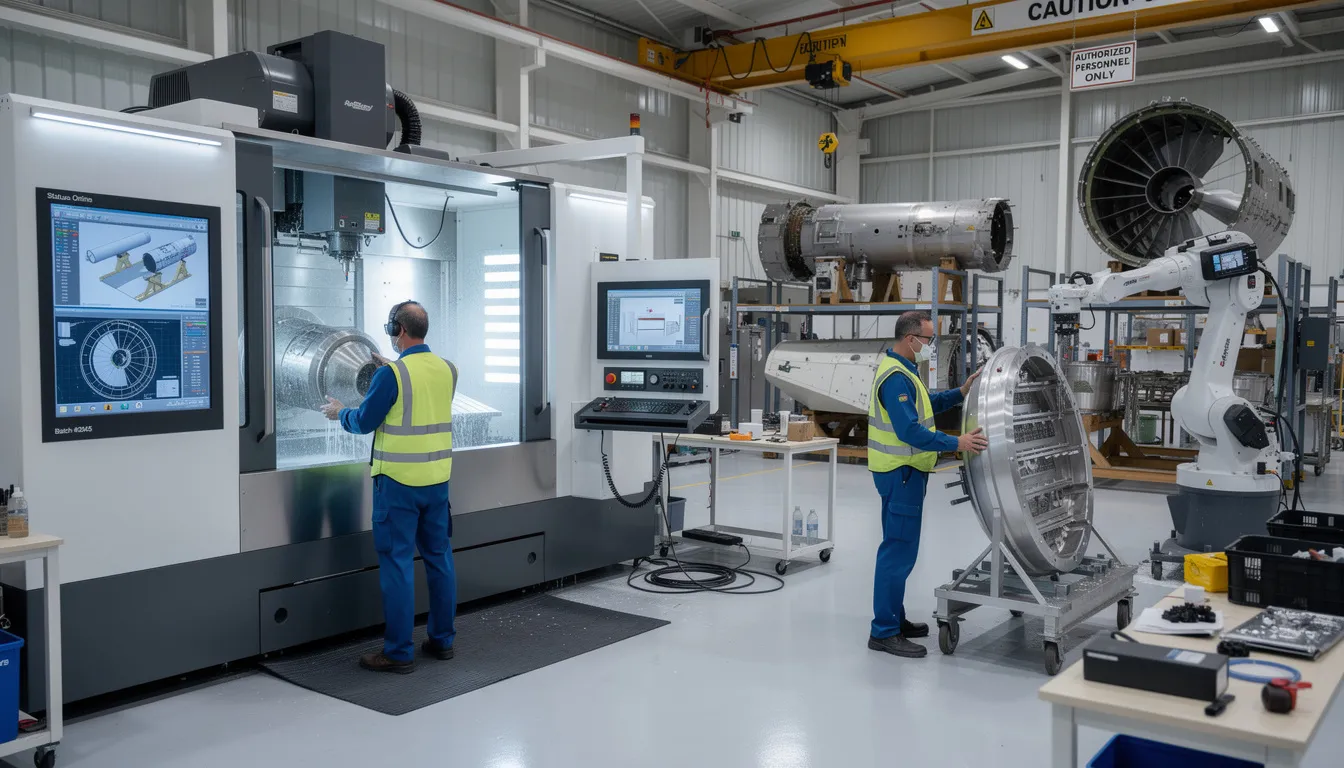
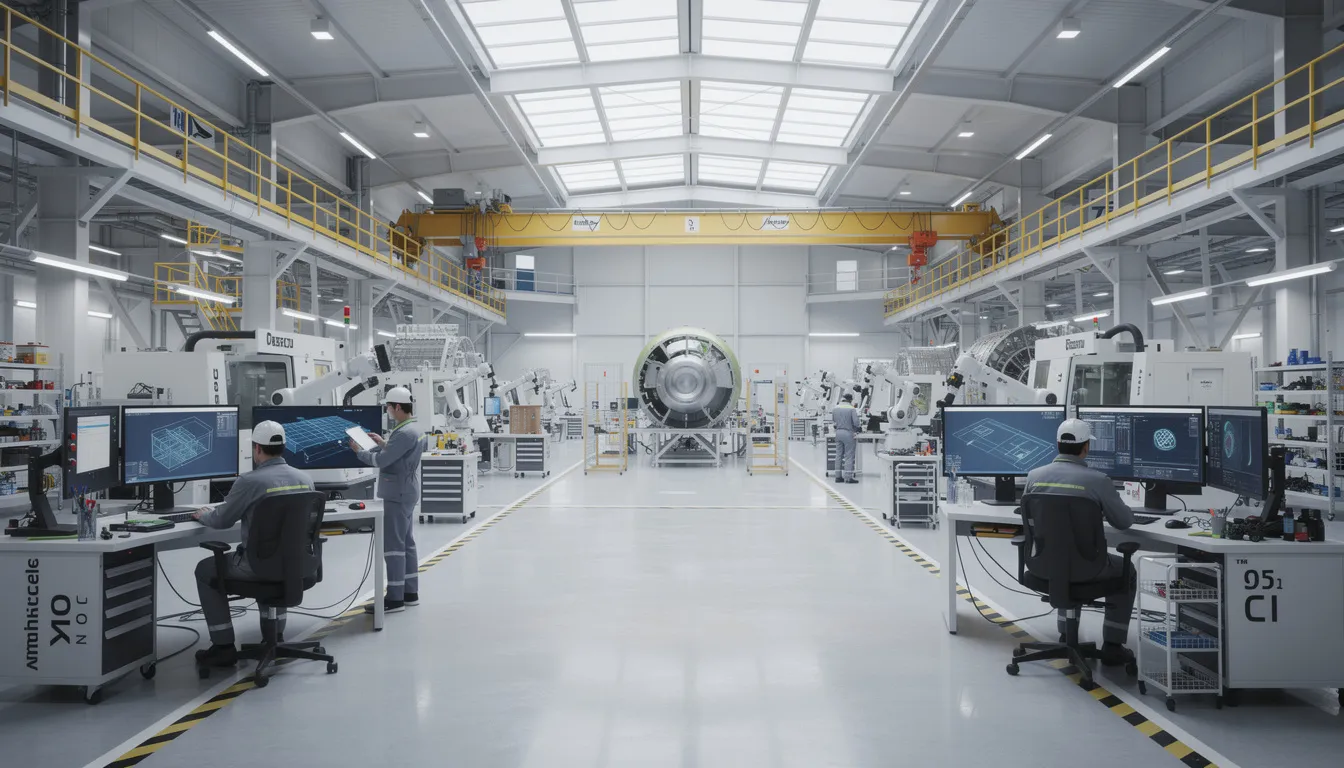
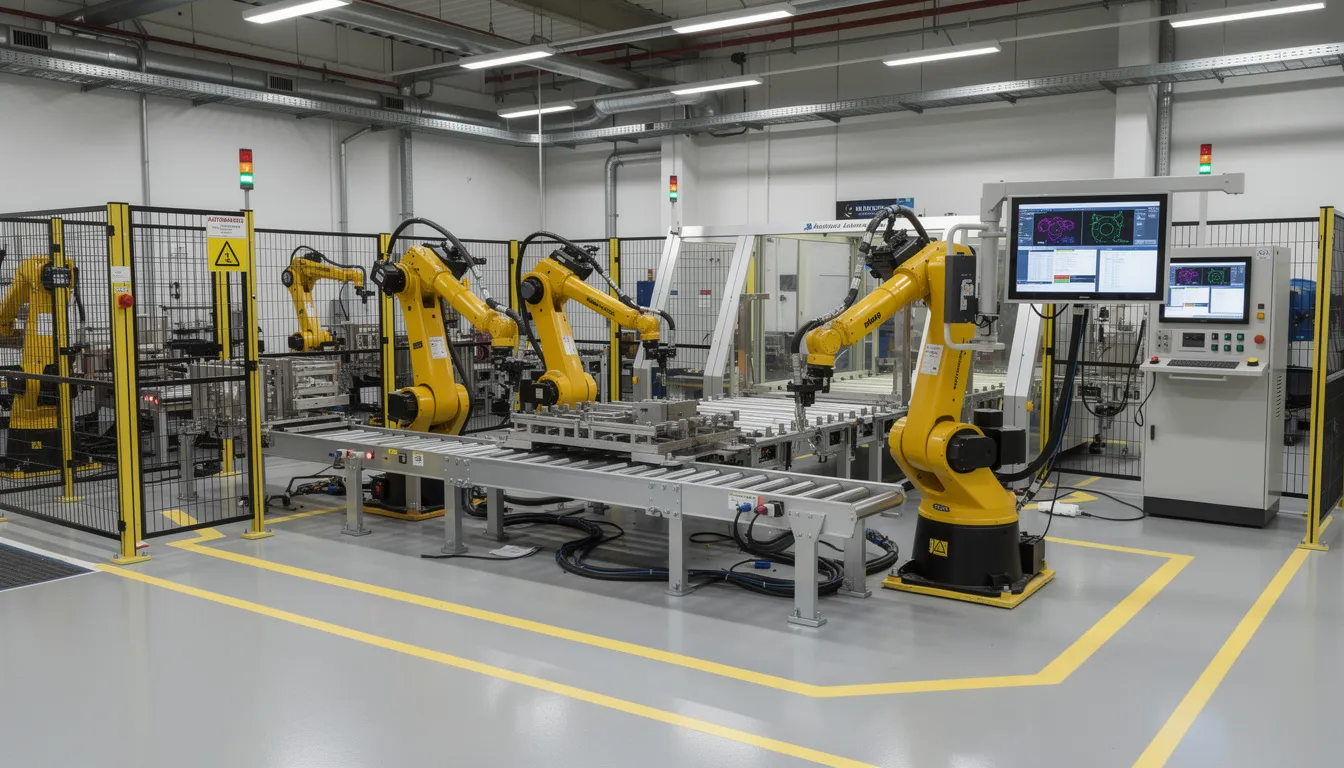
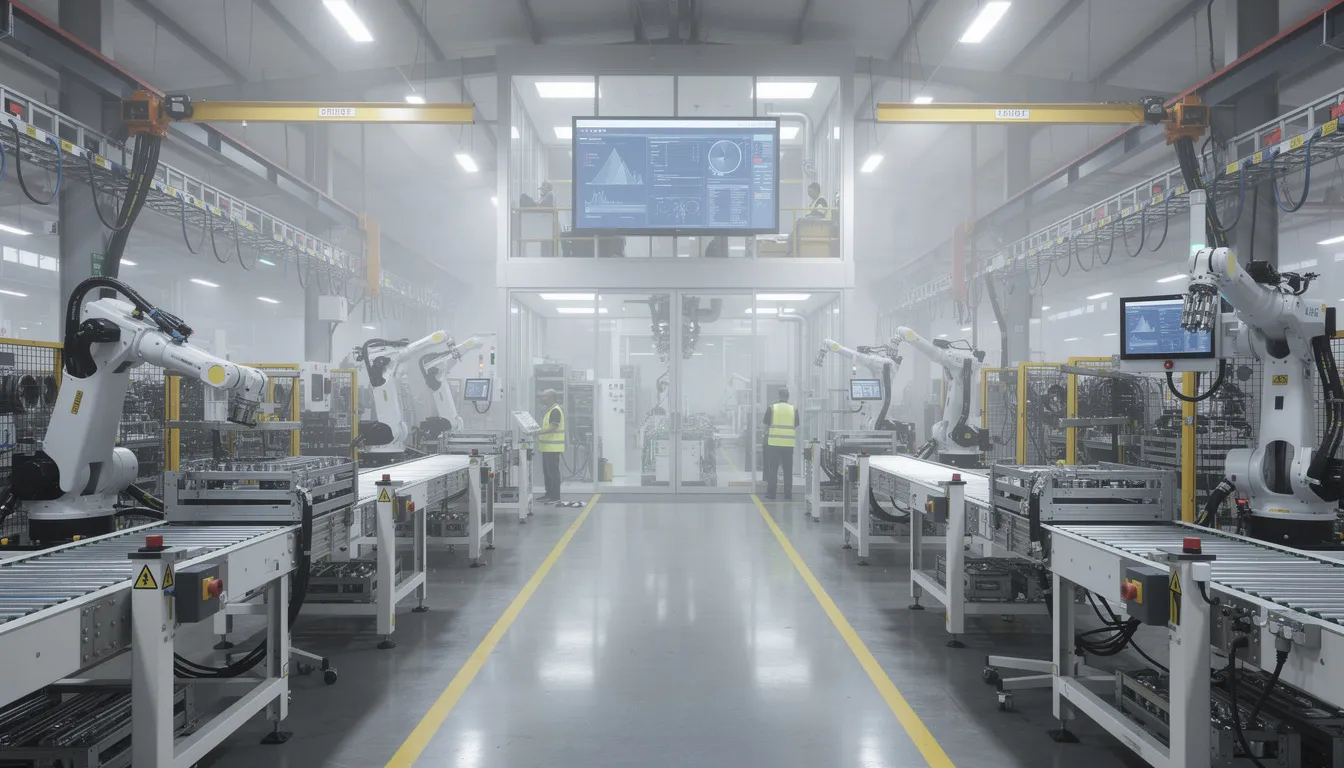
Aerospace MRO routing is more complex than production routing mainly because the work is condition-driven, not fully predetermined.
In production, even in high-mix environments, the routing is usually based on a known part, revision, bill of material, tooling set, and expected sequence of operations. There can still be deviations and quality events, but the baseline process is generally stable enough to plan in advance.
In MRO, the incoming asset often starts with uncertainty. Inspection results, wear state, prior repair history, configuration differences, airworthiness directives, service bulletins, customer-specific requirements, and unexpected damage can all change the route after work has already begun. That means the routing often has to support decision points, alternate paths, holds, approvals, outside processing, teardown findings, and iterative inspection-repair-inspection loops.
Actual condition drives the job. Two units with the same part number may require very different work scopes once disassembled and inspected.
More branching logic. Routes often depend on measured condition, repair limits, nonconformance disposition, engineering review, and material availability.
Configuration variability. The asset as received may not match the latest expected configuration because of field modifications, prior repairs, or incomplete records.
Tighter lineage requirements. MRO commonly requires stronger linkage between serial number, maintenance history, findings, removed parts, installed parts, inspections, signoffs, and released condition.
Higher dependence on external decisions. OEM manuals, approved repair data, customer contracts, delegated authorities, and internal quality approvals can all affect the route.
Material uncertainty. Replacement parts, rotable availability, shelf-life constraints, and outsourced special processes can introduce pauses and rerouting.
Repeated quality loops. Inspection, disposition, repair, re-inspection, and documentation review are often embedded throughout the process, not just at the end.
Turnaround pressure with incomplete information. MRO organizations are often expected to commit dates before the final scope is known, which makes planning and capacity control harder than in repeat production.
MRO routing usually needs to behave less like a fixed traveler and more like a controlled framework for execution. In practice, that often means a combination of predefined standard tasks plus conditional steps, exception handling, engineering and quality gates, and robust event-level traceability.
The tradeoff is straightforward: more flexibility helps teams handle real maintenance scenarios, but too much flexibility can weaken standardization, make training harder, and create validation and change-control problems. Too little flexibility has the opposite failure mode: technicians work around the system because the route does not reflect reality.
This is why many MRO organizations struggle with generic production-style routing tools. A system that works well for repetitive manufacturing may not handle inspection-based branching, repair loops, serialized history, and approval workflows cleanly enough for sustainment operations.
In brownfield environments, routing complexity is often increased by system fragmentation. Planning may sit in ERP, execution in MES or an MRO package, maintenance history in another application, quality events in QMS, and technical records in document control systems. If those systems are weakly integrated, the routing problem becomes partly a data synchronization problem.
Common failure modes include stale work instructions, mismatched part and serial data, duplicate data entry, disconnected NCR or MRB workflows, and incomplete evidence trails across systems. The practical limit is not just software capability. It is also master data quality, integration discipline, validation effort, and whether the organization has governed route changes well.
That is also why full replacement strategies often fail here. Replacing ERP, MRO execution, QMS, and technical records systems at once can create qualification burden, validation cost, downtime risk, retraining impact, and traceability gaps that are hard to accept in long-lifecycle regulated operations. Incremental coexistence is usually more realistic, but it requires careful interface design and stronger change control.
So the short answer is yes: aerospace MRO routing is usually more complex than production routing because the job path depends on what is found, what is approved, and what is available, not just on what was planned.


Whether you're managing 1 site or 100, Connect 981 adapts to your environment and scales with your needs—without the complexity of traditional systems.



Whether you're managing 1 site or 100, C-981 adapts to your environment and scales with your needs—without the complexity of traditional systems.