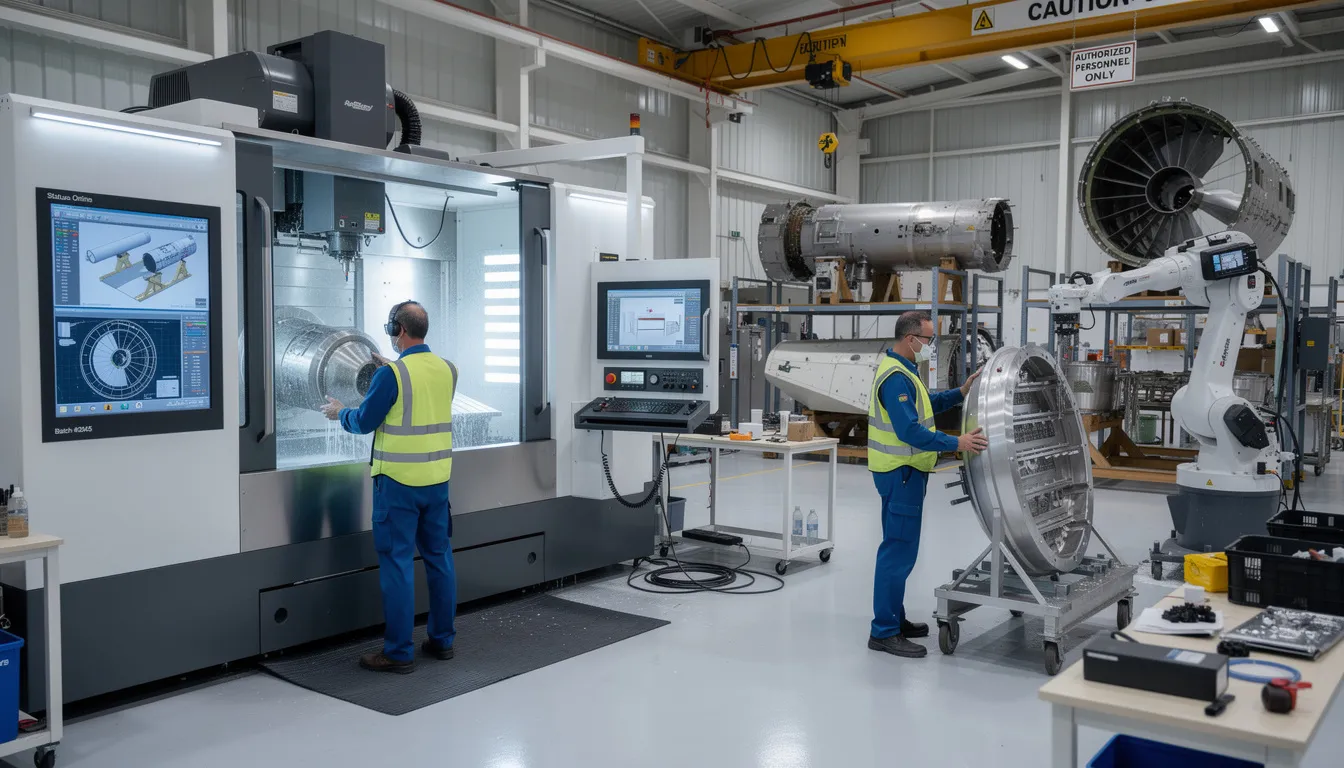
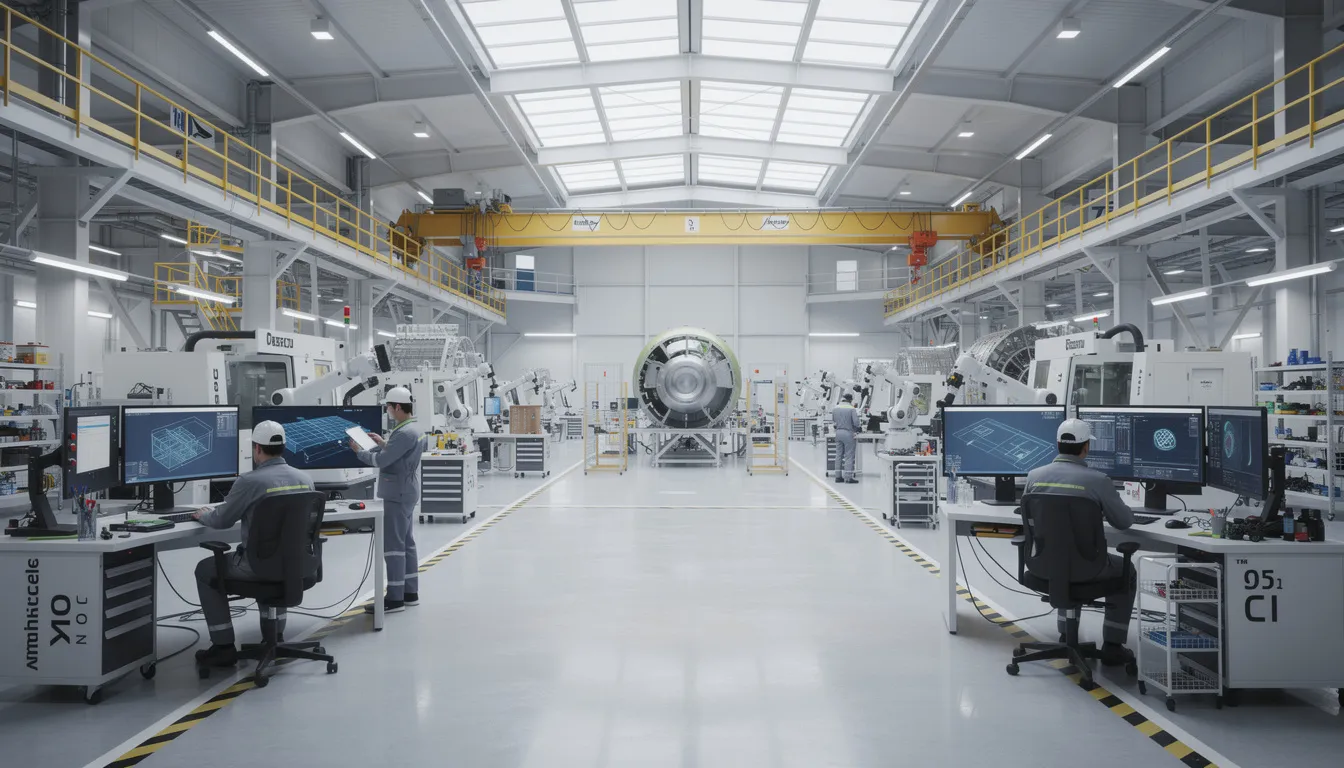
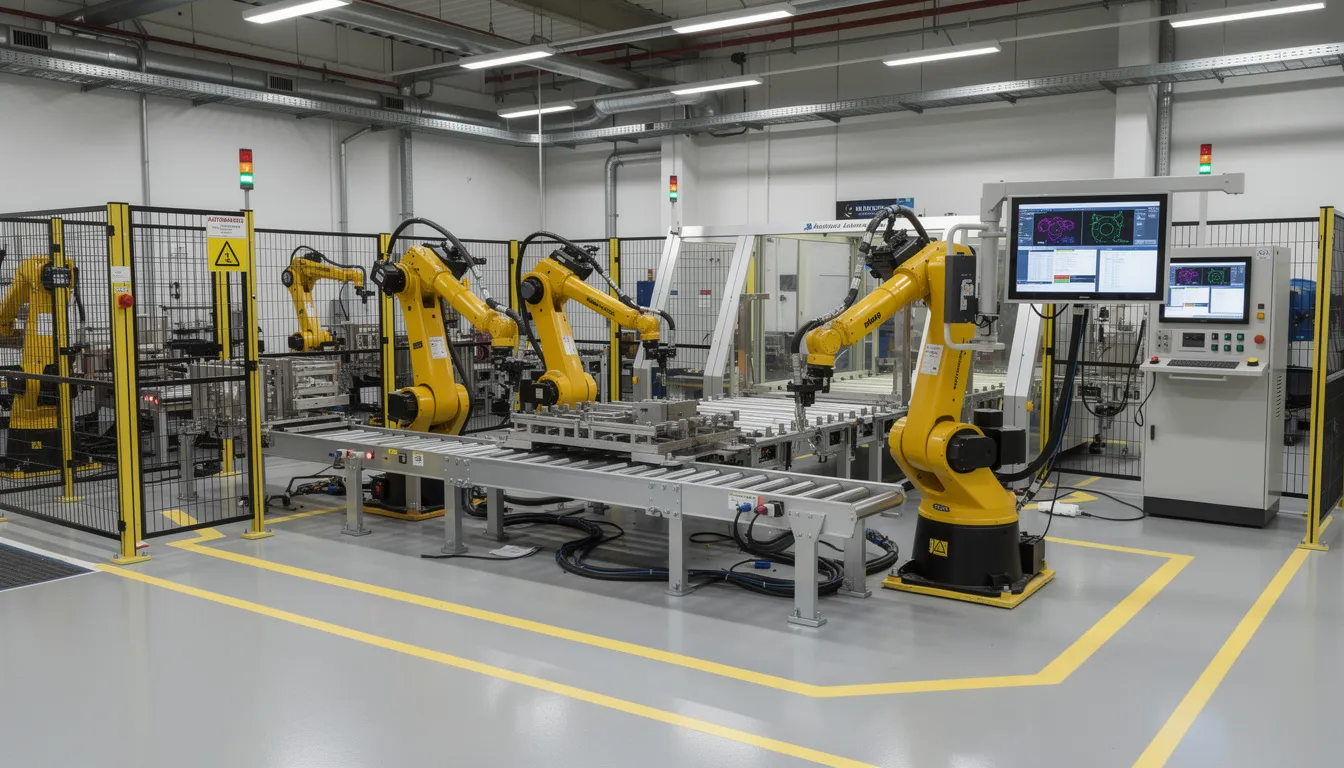
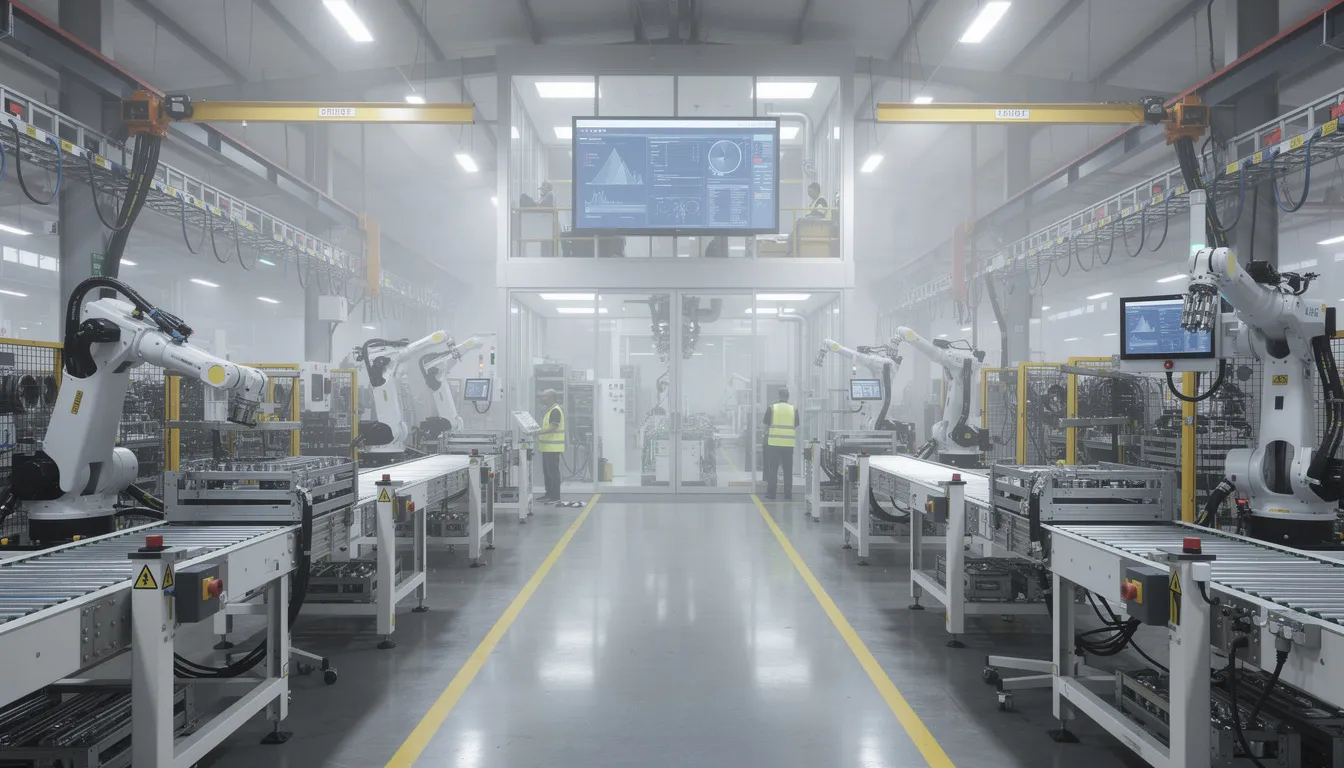
In aerospace manufacturing, revenue is an outcome, not the primary objective. Several factors must consistently matter more than top-line growth, especially in regulated, long-lifecycle programs.
Nothing can outrank building and maintaining safe, airworthy hardware. That shows up operationally as:
In practice, this connects to executive aerospace operations strategy when teams need to turn the answer into repeatable execution habits.
Any system or KPI that incentivizes operators or managers to prioritize throughput over safety is misaligned with aerospace reality.
Compliance with AS9100, FAA/EASA regulations, defense contract clauses, ITAR/DFARS, and customer-specific requirements has to sit above revenue. This includes:
Cutting corners on documentation, audit trails, or controlled processes to hit a shipment date often creates far larger downstream risk: findings, escapes, re-certification activity, or even grounding events.
For complex aircraft, engines, and structural assemblies, the as-built configuration and its traceability matter more than short-term volume. That means:
In brownfield plants with legacy MES/ERP/PLM stacks, enforcing configuration discipline often feels like friction, but it is essential for later modifications, investigations, and in-service support.
Aerospace programs live for decades. Individual-quarter revenue gains are insignificant compared to:
Leadership often has to accept lower near-term margins to invest in corrective actions, process improvements, or digital infrastructure that reduces risk over the life of the program.
In regulated aerospace operations, “if it is not documented, it did not happen” is a practical truth. More important than pushing additional revenue through the plant is ensuring that:
High output with weak records is a liability. It increases exposure during audits, incidents, and customer investigations.
Skilled, empowered operators and engineers are a higher-order asset than incremental revenue. What matters more than short-term output is:
A culture that pressures people to “get it out the door” despite concerns is inherently unstable in aerospace.
Full system replacements and rapid changes to core processes are especially risky in this industry. Protecting stability and validated states matters more than chasing revenue from aggressive transformation timelines. In practice, that means:
When change control is rushed to unlock supposed efficiency gains, the result is often extended downtime, rework, and hidden data gaps that undermine both revenue and compliance.
Most aerospace manufacturers run mixed-vendor, legacy MES/ERP/QMS stacks under tight downtime constraints. Within that reality, the things that must sit above revenue are:
Well-run organizations explicitly prioritize safety, compliance, configuration control, and data integrity in governance and KPIs, then treat revenue as the result of doing those things consistently rather than the objective that justifies bypassing them.


Whether you're managing 1 site or 100, Connect 981 adapts to your environment and scales with your needs—without the complexity of traditional systems.



Whether you're managing 1 site or 100, C-981 adapts to your environment and scales with your needs—without the complexity of traditional systems.