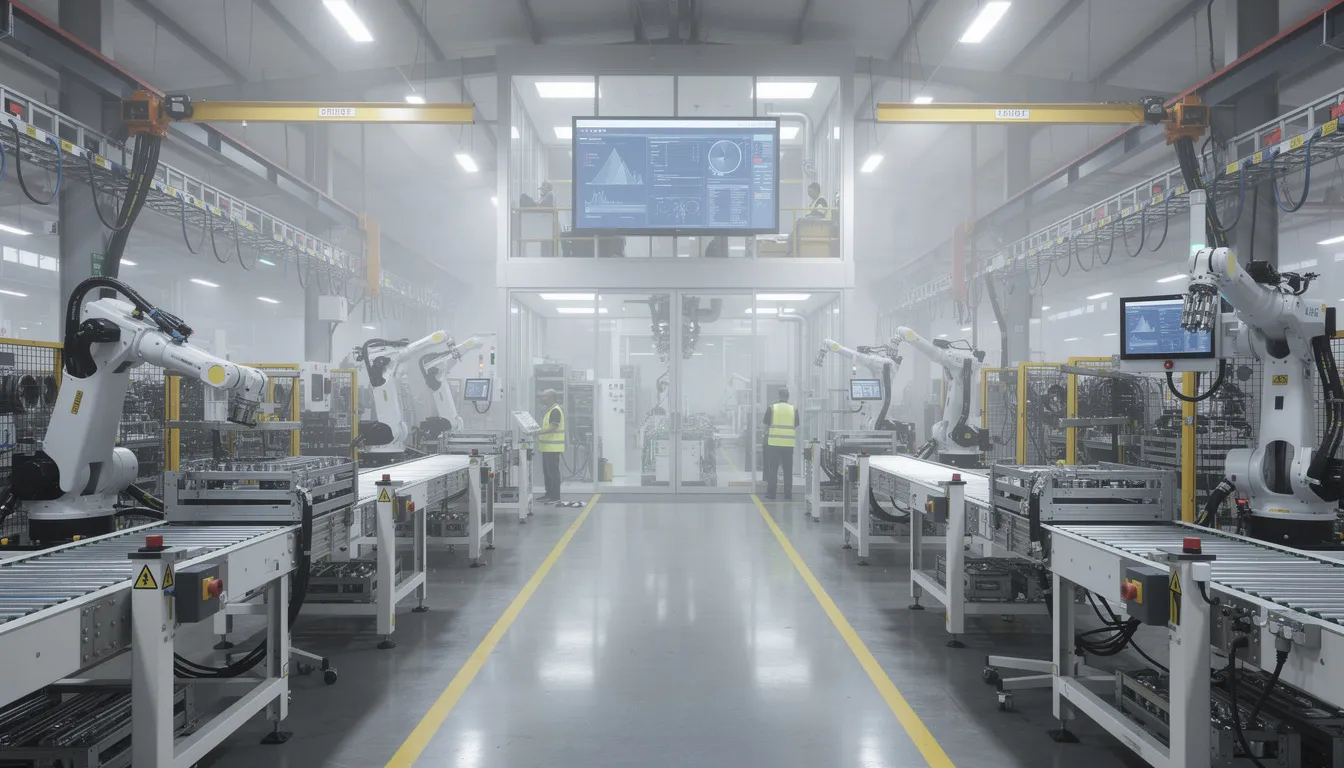
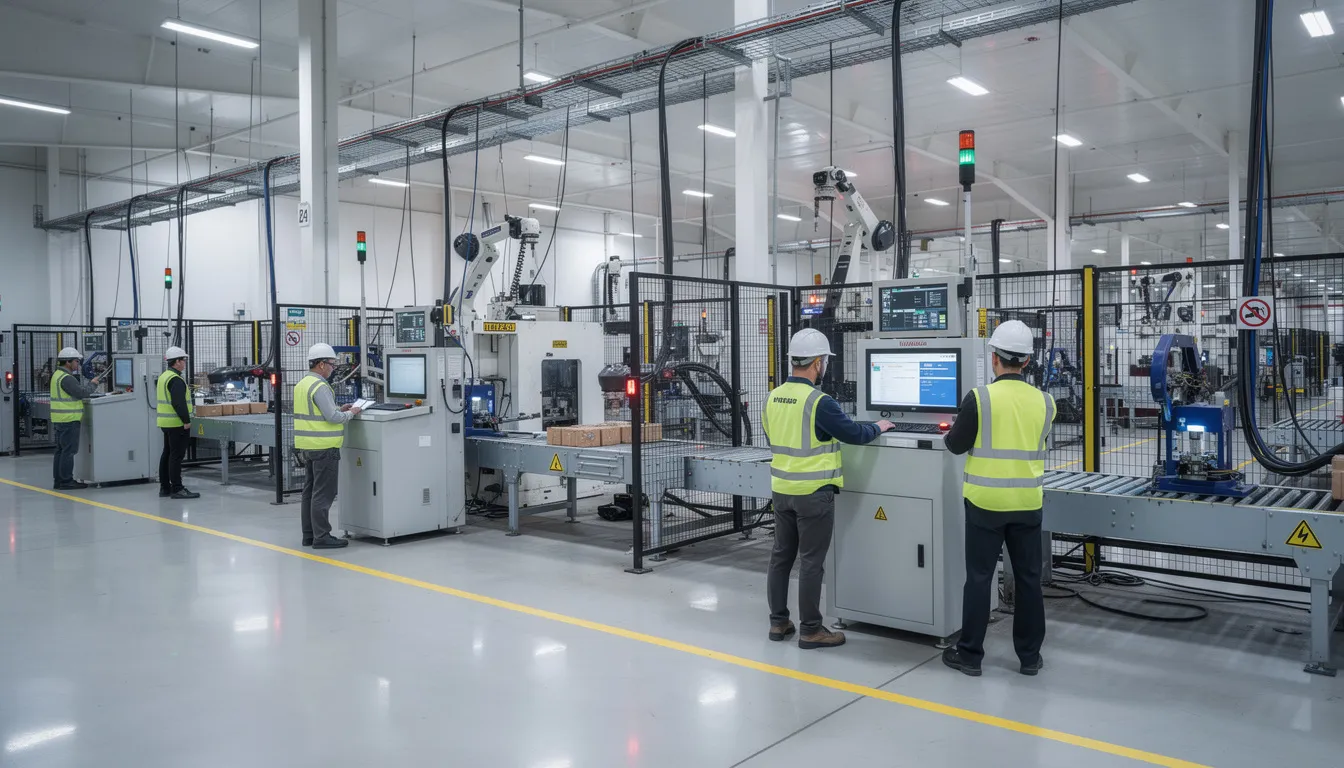
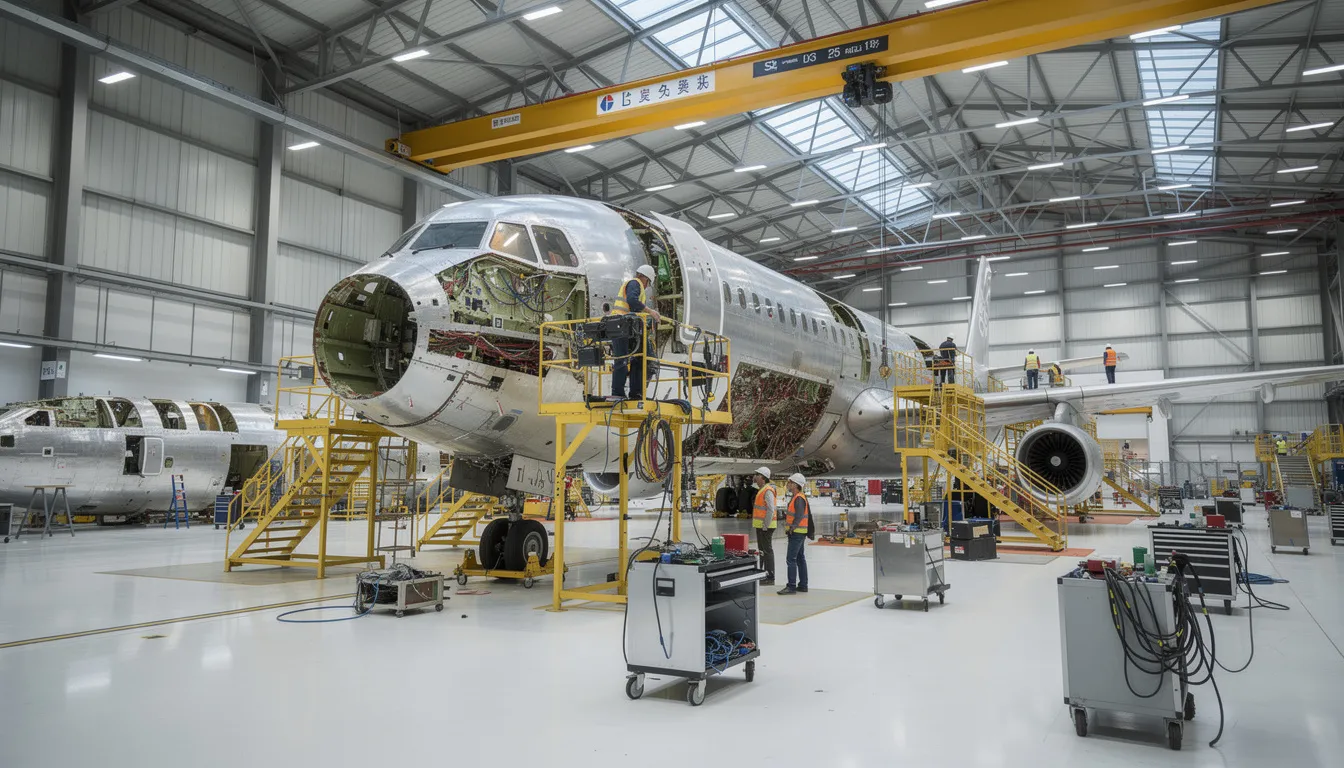
A digital work instruction rollout should be led by a cross-functional team, not by IT or engineering alone. At minimum, include operations leadership, production supervisors, experienced operators, manufacturing or process engineering, quality, document control, training, IT/OT, cybersecurity, and owners of affected systems such as MES, ERP, PLM, QMS, and maintenance systems. In regulated environments, change control and validation ownership are not optional.
The exact team depends on the plant, product risk, customer requirements, and how tightly the instructions connect to execution records, training records, inspection data, and equipment controls. A low-risk visual aid rollout is different from replacing paper travelers or enforcing revision-controlled steps inside MES.
Digital work instructions often fail when they digitize the document but not the real operating model. Operators may still rely on unofficial notes, supervisors may bypass the system to protect output, or engineers may publish steps that do not match actual tooling, fixtures, or material availability.
Quality involvement is equally important. If inspection requirements, signoffs, data capture, or nonconformance workflows are unclear, the plant may create attractive screens while weakening traceability. That is a poor trade in an audited or customer-controlled environment.
Most plants are not starting from a clean architecture. Work instructions may reference PLM-controlled drawings, ERP routings, MES operations, QMS procedures, calibration systems, maintenance status, and training records. The rollout team needs clear decisions about system of record boundaries.
Full replacement of existing MES, ERP, PLM, or QMS systems is usually unrealistic as part of a work instruction rollout, especially in aerospace-grade and similarly regulated operations. Qualification burden, validation cost, downtime risk, integration complexity, traceability obligations, change control, and long equipment lifecycles usually make coexistence the practical path.
A practical rollout team is small enough to make decisions but broad enough to represent the production system. The common mistake is staffing the project only with people who can configure screens. The safer approach is to include the people accountable for process execution, controlled content, training, records, systems integration, and change control from the start.


Whether you're managing 1 site or 100, Connect 981 adapts to your environment and scales with your needs—without the complexity of traditional systems.



Whether you're managing 1 site or 100, C-981 adapts to your environment and scales with your needs—without the complexity of traditional systems.