
Controlled Technical Data
Controlled technical data commonly refers to technical information that is restricted by export control, security, or contractual rules.


Controlled technical data commonly refers to technical information that is subject to specific access, use, storage, or export restrictions under export control laws, security regulations, or contractual obligations. In industrial and manufacturing environments, it typically concerns information about products, materials, equipment, or processes that could have military, dual-use, or other sensitive applications.
What controlled technical data includes
Controlled technical data usually covers non-public technical information such as:
- Detailed engineering drawings, schematics, and CAD models
- Manufacturing process specifications, work instructions, and routings that reveal controlled capabilities
- Material compositions, formulas, and special process parameters (for example, heat treatment or coating recipes)
- Test methods, test reports, and performance characteristics of controlled items
- Software or firmware source code and technical documentation related to controlled items
It generally does not include information that is already lawfully in the public domain, basic marketing descriptions, or high-level product brochures, unless those materials themselves reveal controlled details.
Regulatory and contractual context
The term is most often associated with export control and security regimes, such as government lists of controlled technologies or defense-related regulations. In addition to law and regulation, customer contracts and non-disclosure agreements may explicitly classify certain technical data as controlled, even if it is not on a formal control list.
In regulated manufacturing environments, controlled technical data may require defined controls on:
- Who can access it (for example, citizenship, clearance level, or need-to-know)
- Where it can be stored or transmitted (for example, specific servers or segregated networks)
- How it is shared with suppliers, partners, and contract manufacturers
- How changes are documented, approved, and traced
Operational meaning in industrial and manufacturing systems
Within OT/IT landscapes, MES, PLM, ERP, and document control systems may need to identify and handle controlled technical data differently from other data. Common practices include:
- Tagging documents, records, and datasets as controlled technical data in document control or PLM systems
- Segregating storage locations or repositories for controlled content
- Restricting role-based access in MES, QMS, and ERP to specific users or groups
- Logging access, download, and change events for audit and investigation
- Applying additional review steps before sharing data with external suppliers or across borders
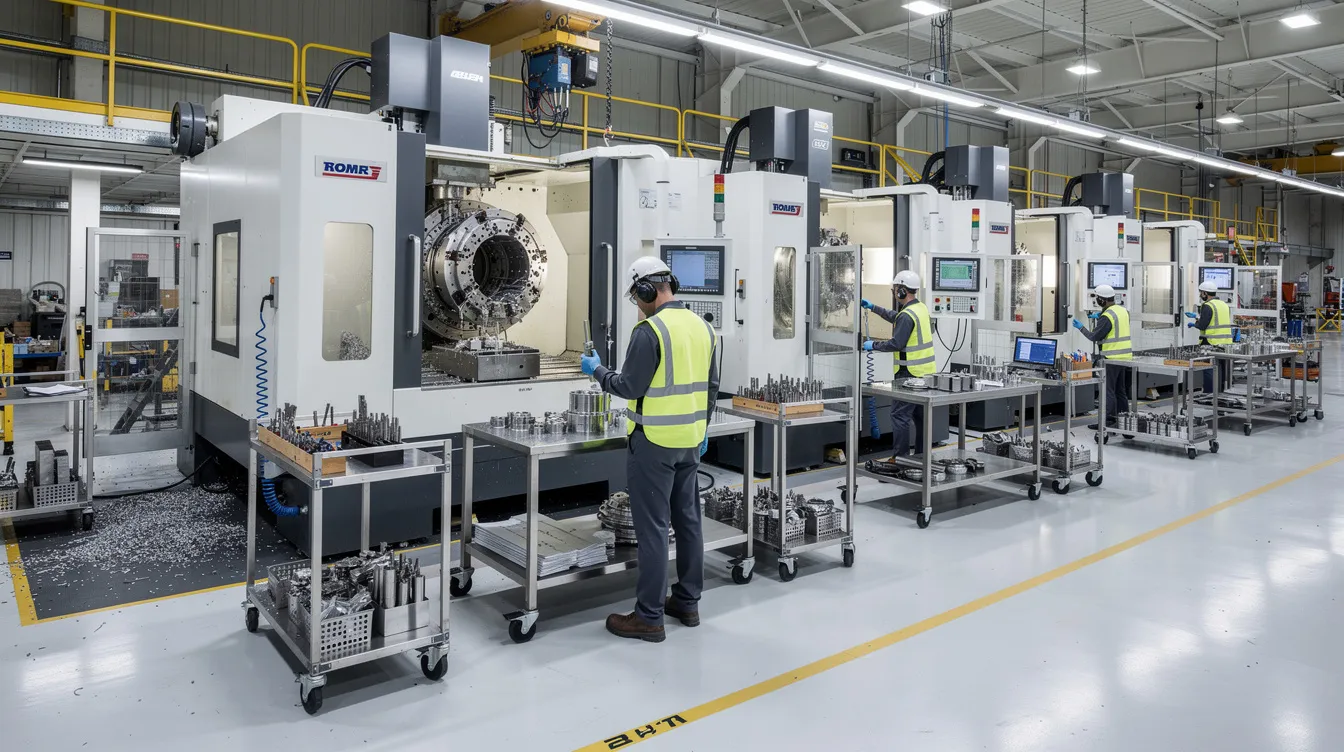
On the shop floor, controlled technical data may appear as controlled versions of work instructions, CNC programs, or test limits that are only visible to authorized personnel or facilities.
Common confusion
- Controlled technical data vs. confidential information: Not all confidential or proprietary information is controlled technical data. Controlled technical data is typically subject to specific legal or contractual restrictions, while confidentiality can be a broader internal business concept.
- Controlled technical data vs. classified information: Classified information usually refers to information formally designated under national security classification systems. Controlled technical data can be sensitive and regulated without being classified.
- Controlled technical data vs. product data in general: Many drawings, BOMs, or specifications are ordinary product data. They become controlled technical data only when they fall under defined control categories or obligations.
Relation to export controls and manufacturing operations
In cross-border manufacturing, engineering, or support activities, controlled technical data is central to export control compliance. Sharing or providing access to certain technical information across national borders, or to specific individuals or entities, may require authorization under applicable regulations. As a result, manufacturing organizations often integrate data classification and access control features into their PLM, MES, document control, and collaboration tools to distinguish controlled technical data from other information.


Related FAQ
Related Glossary
Ready to See How C-981 Can Accelerate Your Factory’s Digital Transformation?
