
digital maturity
Digital maturity is the degree to which an organization consistently uses integrated digital technologies, data, and processes across operations.


Digital maturity commonly refers to the degree to which an organization has systematically adopted, integrated, and stabilized digital technologies, data practices, and supporting processes across its operations. It describes how far along a company is in using digital tools and information to run, monitor, and improve its business in a repeatable and governed way.
What digital maturity includes
In industrial and manufacturing environments, digital maturity typically covers:
- Technology adoption: The presence and use of systems such as MES, SCADA, historians, PLM, ERP, QMS, and industrial IoT platforms.
- Data integration and accessibility: How well production, quality, maintenance, and supply chain data are connected, structured, and available for use across OT and IT.
- Standardized processes: The extent to which digital workflows, digital work instructions, and electronic records are defined, governed, and followed.
- Analytics and decision making: Use of dashboards, KPIs, root-cause analysis tools, and advanced analytics to support routine and management decisions.
- Governance and compliance: Policies, controls, and documentation that manage data integrity, security, change control, and audit trails in regulated environments.
- People and culture: Workforce skills, roles, and behaviors that support consistent use, maintenance, and improvement of digital systems.
Organizations often assess digital maturity using staged models (for example, from initial/analog to optimized/transformational) to describe their current state and plan future changes.
What digital maturity does not imply
Digital maturity does not, by itself:
- Prove regulatory compliance or validation of specific systems.
- Guarantee product quality, safety, or security outcomes.
- Serve as audit evidence without underlying documentation, records, and controls.
Digital maturity models and assessments are descriptive tools. In regulated manufacturing, they can support planning and communication but do not replace formal qualification, validation, or quality system processes.
Operational relevance in manufacturing
On the shop floor, higher digital maturity can be seen in how work is actually executed and controlled, for example:
- Electronic batch records, eDHR, or MES orders instead of paper travelers.
- Real-time visibility of OEE, scrap, downtime, and alarms across lines or plants.
- Integrated quality checks, nonconformance logging, and CAPA workflows tied to production data.
- Centralized document control for work instructions and specifications with version governance.
Lower digital maturity is often characterized by siloed systems, manual data entry, paper-based records, and limited cross-functional visibility.
Common confusion
- Digital maturity vs. Industry 4.0 certification: Digital maturity is an overall state or progression. Industry 4.0 badges, scorecards, or certifications are specific assessment schemes or marketing labels. They may describe aspects of digital maturity but do not represent a universal or official measure.
- Digital maturity vs. IT modernization: Upgrading hardware or software infrastructure is only one component. Digital maturity also includes process design, data governance, workforce capability, and cross-system integration.
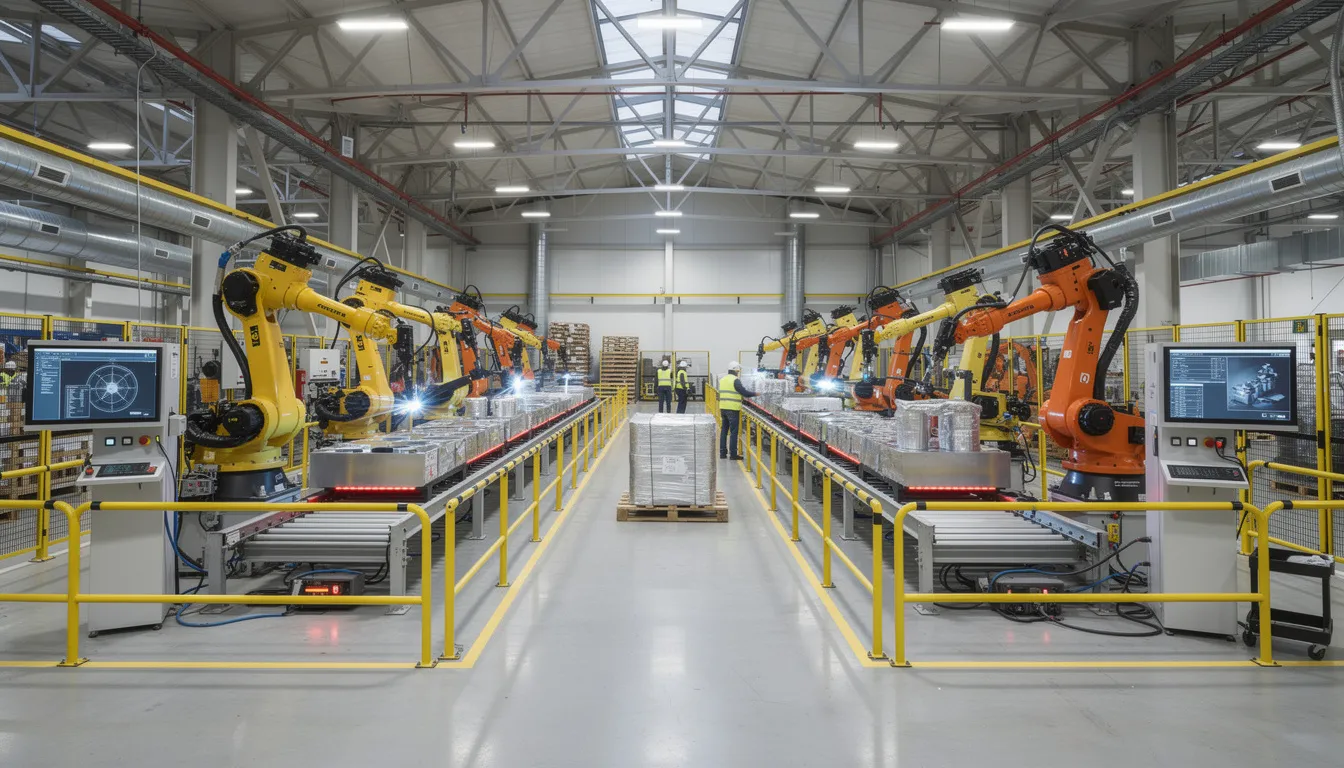
- Digital maturity vs. automation level: High physical automation (robots, conveyors) does not necessarily mean high digital maturity. For example, a highly automated line can still rely on disconnected, manual reporting and limited traceability.
Link to Industry 4.0 and maturity models
Many Industry 4.0 frameworks use structured maturity models to score or describe digital maturity across categories such as technology, processes, organization, and culture. Different vendors and consultancies define their own criteria and levels. In regulated environments, these tools are typically used as structured self-assessment or benchmarking methods, not as replacements for regulatory or quality system requirements.


Related Blog Articles



Related FAQ
Related Glossary
Ready to See How C-981 Can Accelerate Your Factory’s Digital Transformation?
