
IIoT
IIoT (Industrial Internet of Things) connects industrial assets, sensors, and systems to collect, transmit, and use data in manufacturing.


IIoT stands for Industrial Internet of Things. It commonly refers to the network of connected industrial assets, sensors, control systems, and software platforms that collect, transmit, and use data in manufacturing and other industrial environments.
Core meaning
In industrial operations, IIoT typically includes:
- Physical devices and assets, such as machines, production lines, utilities equipment, and environmental sensors
- Embedded or add-on sensors and edge devices that capture data like temperature, vibration, pressure, status, and production counts
- Industrial networks and protocols used to move data between equipment, local gateways, OT systems, and higher-level IT systems
- Software platforms that store, process, and analyze data, often integrating with MES, ERP, quality, and maintenance systems
IIoT focuses on industrial and operational contexts. It is typically associated with OT (operational technology) environments such as factories, process plants, and warehouses, rather than consumer devices.
How IIoT shows up in manufacturing workflows
Within regulated and complex manufacturing, IIoT commonly appears as:
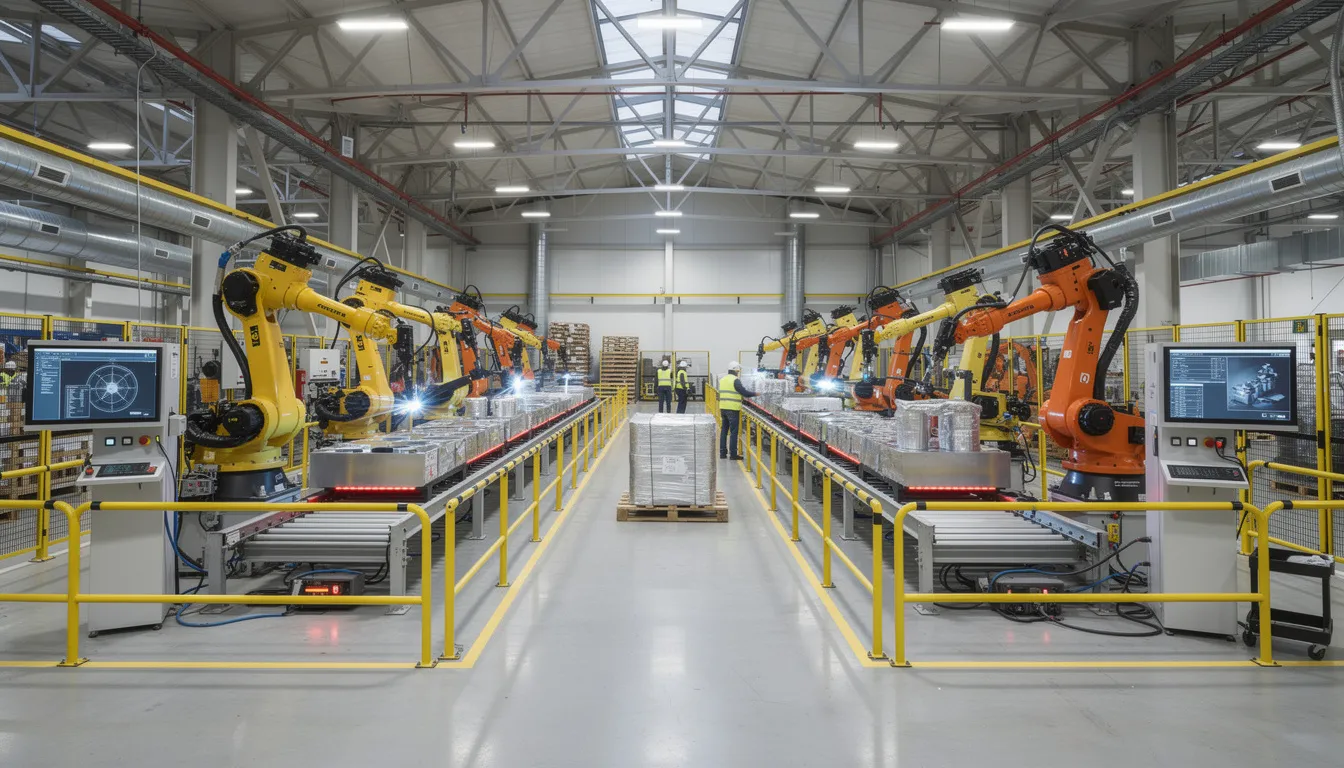
- Connected machines streaming production and status data into MES or data historians
- Condition monitoring and predictive maintenance solutions reading sensor data from assets
- Energy, utilities, or environmental monitoring systems that feed compliance and performance reports
- Edge gateways that securely connect PLCs and controllers to cloud or on-premise analytics platforms
- Integration points that bridge OT data with quality systems, traceability tools, and ERP planning data
IIoT is often mentioned alongside frameworks such as Industry 4.0 and reference architectures that describe how connected assets, data layers, and business processes align.
What IIoT is not
IIoT is not a single product or a specific standard. It is a general concept and ecosystem that can include multiple vendors, protocols, and architectures. It also does not, by itself, imply any particular level of cybersecurity, compliance, or data governance. Those aspects depend on how IIoT solutions are designed and operated.
Common confusion
- IIoT vs IoT: IoT (Internet of Things) is a broader term covering all connected devices, including consumer and smart home devices. IIoT refers specifically to industrial and operational environments, with stronger emphasis on reliability, integration with control systems, and alignment with industrial standards.
- IIoT vs Industry 4.0: IIoT is one of the enabling technologies used within Industry 4.0 initiatives. Industry 4.0 is a wider concept covering digitalization of manufacturing, including IIoT, advanced analytics, digital twins, and integration across business processes.
- IIoT vs MES/SCADA: MES and SCADA are established system categories with defined roles in production control and monitoring. IIoT platforms often complement these systems by providing additional connectivity, data aggregation, and analytics, but do not always replace them.
Relation to reference architectures
In architectural models used for Industry 4.0, IIoT elements typically appear at the asset and integration layers, linking physical equipment and sensors to information systems, analytics, and business processes across the production lifecycle and organizational hierarchy.


Related Blog Articles



Related FAQ
Related Glossary
Ready to See How C-981 Can Accelerate Your Factory’s Digital Transformation?
