supplier qualification
Supplier qualification is the structured process of evaluating and approving external suppliers before they provide materials or services to a manufacturer.


Supplier qualification is the structured process a manufacturer uses to evaluate, approve, and periodically re-evaluate external suppliers before they are allowed to provide materials, components, or services for production. It is a key element of supplier management and quality systems in regulated and high-risk industries.
What supplier qualification includes
Supplier qualification commonly includes:
- Defining requirements such as technical specifications, quality expectations, regulatory or customer requirements, and capacity needs.
- Initial assessment of the supplier’s capabilities, certifications, financial stability, facilities, and systems (for example quality management systems, data integrity practices, or cybersecurity controls).
- Risk evaluation based on criticality of the supplied product or service, single-sourcing, country or logistics risk, and historical performance.
- On-site or remote audits to verify that the supplier’s processes, documentation, and controls align with applicable standards and customer expectations.
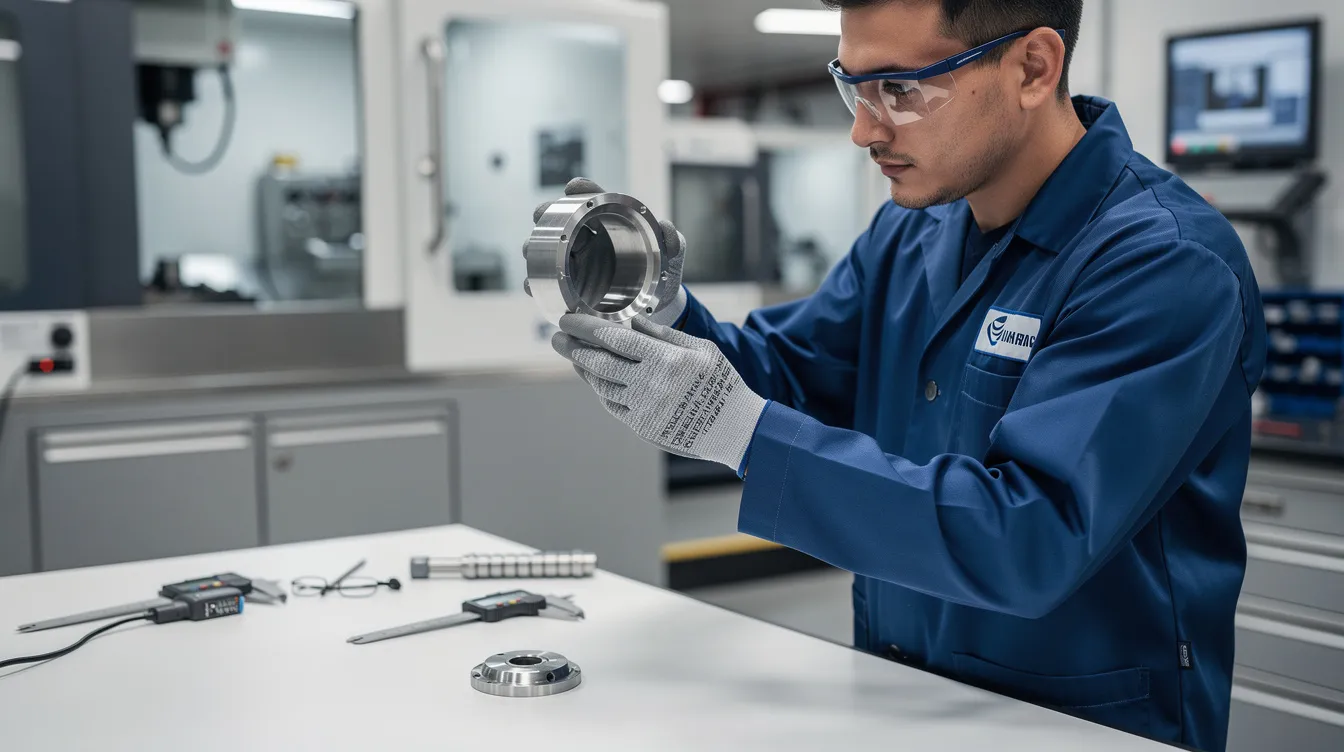
- Technical and quality approval, which may involve sample qualification, first article inspection, process validation, or trial orders.
- Formal onboarding, such as adding the supplier to an approved supplier list (ASL), setting up master data in ERP/MES, and defining communication, change control, and escalation paths.
In regulated or standard-driven environments (such as aerospace, life sciences, or automotive), supplier qualification often references external standards or customer requirements, which can include expectations around certifications like AS9100, ISO 9001, or sector-specific quality frameworks. These references are typically treated as prerequisites or risk-reduction measures, not as guarantees of performance.
Operational role in manufacturing systems
Operationally, supplier qualification is reflected in:
- ERP and purchasing controls: purchase orders are restricted to qualified suppliers for specific materials or services.
- MES and quality workflows: incoming inspection plans, lot release rules, and nonconformance workflows can vary by supplier qualification status and risk level.
- Change control: qualified suppliers are subject to defined processes for notifying and approving process changes, material substitutions, or site transfers.
- Ongoing monitoring: performance metrics (on-time delivery, defect rates, audit findings, escapes) feed into periodic requalification or escalated oversight.
What supplier qualification is not
Supplier qualification:
- Is not a one-time event; it usually requires periodic review and re-approval.
- Does not guarantee defect-free product or audit outcomes; it provides structured due diligence and controls.
- Is not the same as day-to-day supplier performance management, though it uses performance data as input.
Common confusion
- Supplier qualification vs. supplier approval: “Qualification” is the evaluation process and evidence gathering; “approval” is the decision to add the supplier to the approved supplier list and allow use in production.
- Supplier qualification vs. certification: External certifications (such as AS9100) may be considered in qualification, but the qualification process is an internal decision by the purchasing organization and can include additional, company-specific criteria.
- Supplier qualification vs. validation: Qualification focuses on the supplier organization and its capability. Validation usually refers to demonstrating that a specific process, method, or equipment consistently produces results meeting defined criteria, which may be performed at the supplier or internally.
Relation to aerospace and defense contexts
In aerospace and defense supply chains, supplier qualification often includes confirming that a supplier maintains a quality management system aligned with sector expectations, such as AS9100 for aerospace. Some customers treat such standards as prerequisites for being considered in the qualification process, alongside technical, logistical, and compliance evaluations.


Related Blog Articles

Related FAQ
Related Glossary
Ready to See How C-981 Can Accelerate Your Factory’s Digital Transformation?

