
Aerospace MES and Digital Travelers (Execution Control)
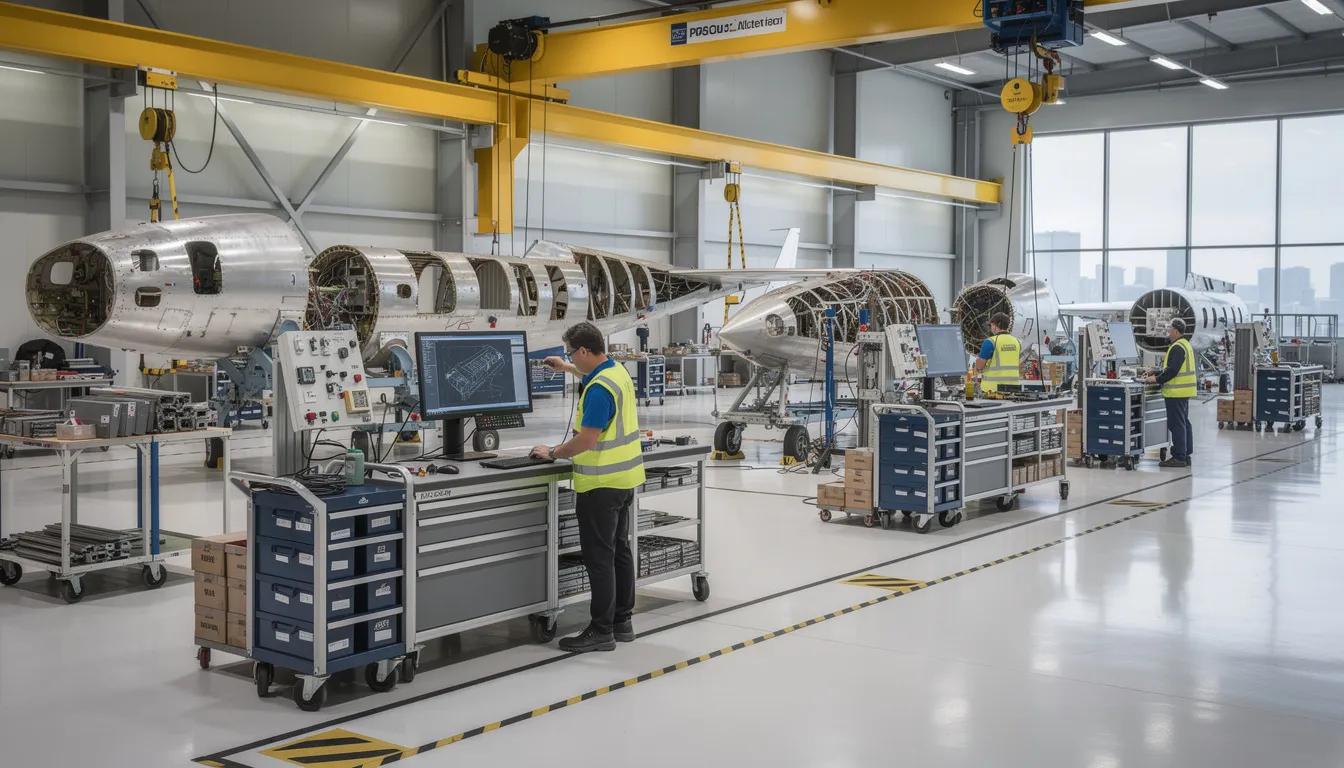
The Aerospace MES and Digital Travelers cluster explains how aerospace execution actually happens once planning hands work to the floor. It covers digital travelers, routing logic, real-time execution tracking, and as-built data capture, with clear system boundaries between ERP, MES, QMS, and PLM. The content shows how MES becomes the execution control layer that reflects reality rather than plans, enabling visibility into what is running, blocked, reworked, or completed. Throughout the cluster, readers learn how digital travelers evolve from paperwork replacements into the system of record for execution truth across manufacturing and MRO environments.
Glossary
FAQ
There are no available FAQ matching the current filters.


Get Started
Built for Speed, Trusted by Experts
Whether you're managing 1 site or 100, Connect981 adapts to your environment and scales with your needs—without the complexity of traditional systems.


