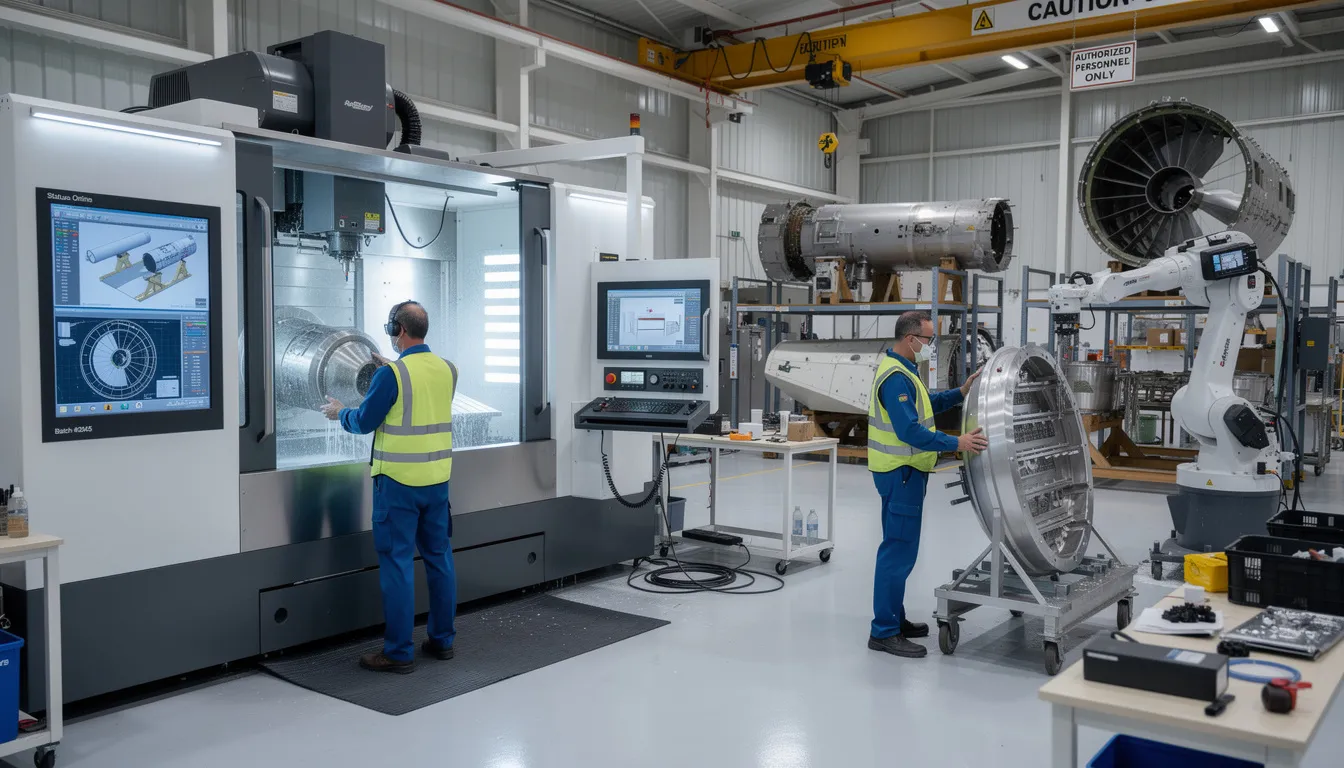
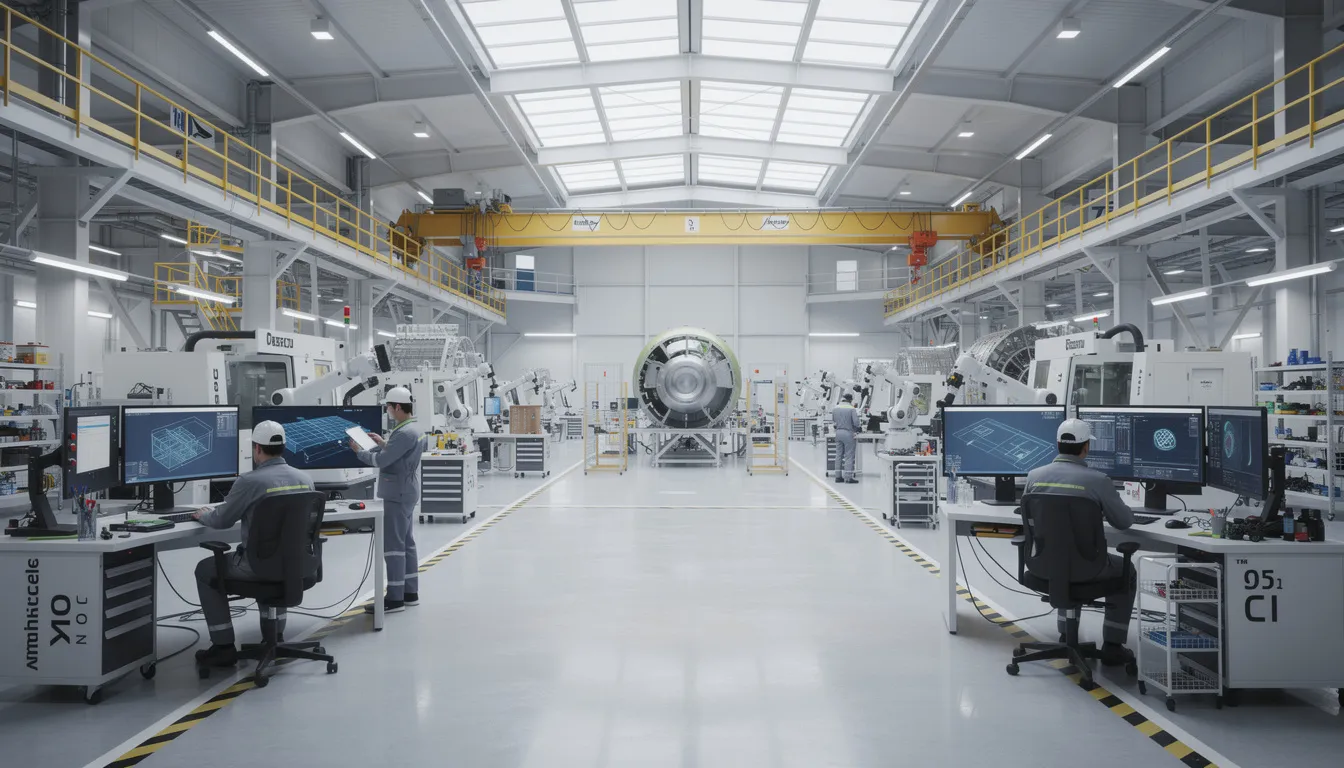
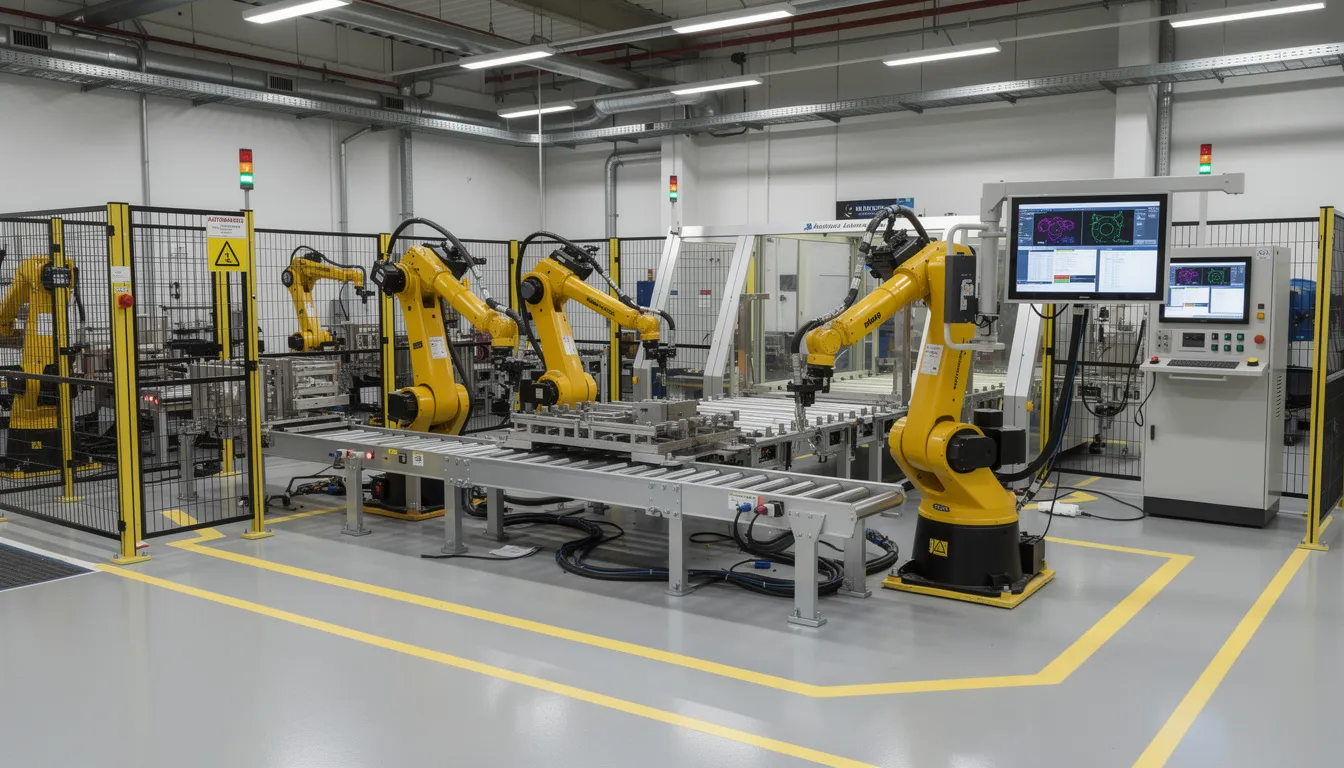
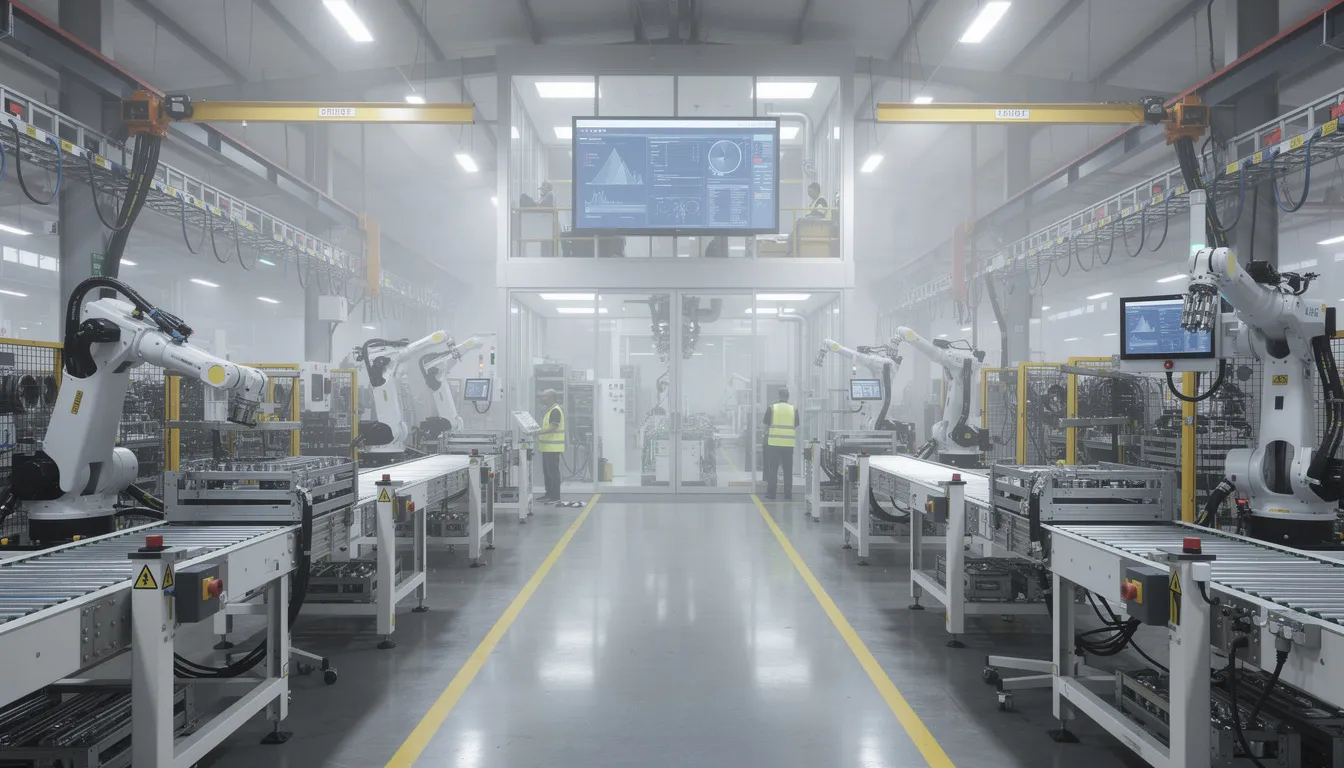
Integrated systems can help prevent unqualified work assignments by checking a person’s current qualifications before work is assigned, started, or signed off. In practice, this usually means connecting work orders, routings, training records, certification status, role permissions, and approval rules so the MES or execution system can block, warn, or route work when a required qualification is missing or expired. It does not work reliably unless the qualification data is current, trusted, and maintained under change control.
The useful control is not simply whether an employee exists in the HR system. The assignment decision normally depends on a combination of operational and quality requirements, such as:
For regulated manufacturing, the distinction between performing work and accepting work matters. A person may be qualified to execute an operation but not qualified to inspect it, disposition a nonconformance, or approve a deviation.
In brownfield environments, the relevant data is often spread across several systems. ERP may hold labor and work order data. MES may control dispatch, routings, electronic travelers, and operator sign-off. PLM may define process requirements. QMS may hold nonconformance, deviation, and approval workflows. A learning management system or training database may hold qualification records.
Integrated controls are strongest when the execution system can evaluate qualification requirements at the point of use. Common control points include work assignment, job login, operation start, inspection sign-off, electronic record completion, and approval workflow routing.
Most plants use a mix of hard stops and managed exceptions. A hard stop may block an operator from starting an operation if a required certification is missing. A warning may alert a supervisor that qualification is near expiration. A workflow rule may reroute approval to a qualified inspector or quality engineer.
Hard stops are appropriate for clearly defined and validated requirements. They can also stop production if the data is wrong, the requirement mapping is incomplete, or the system is unavailable. For that reason, exception handling, escalation paths, and documented manual controls are usually needed.
The system will not prevent unqualified assignments if the qualification matrix is outdated, training completions are entered late, role definitions are too broad, or process requirements are not mapped to the actual routing steps. Integration latency can also create risk when a training record is updated in one system but not yet available in the MES.
Another common failure mode is treating job title as qualification. In regulated operations, that is usually too coarse. The requirement often depends on the specific operation, part, process, customer requirement, equipment, inspection method, or approval authority.
To make this credible, the organization needs an authoritative source for qualification data, clear ownership for maintaining it, and change control over qualification rules. The integration must be tested and, where required by the quality system, validated. Audit trails should show which qualification rule was applied, what data was checked, who performed or approved the work, and how exceptions were handled.
Full system replacement is usually not a practical prerequisite in aerospace-grade or similarly regulated environments. Qualification burden, validation cost, downtime risk, integration complexity, traceability obligations, and long equipment lifecycles often make replacement unrealistic. A more common approach is to integrate the systems of record and enforce qualification checks at the execution points that carry the most risk.
Integrated systems reduce the chance of unqualified work assignments. They do not remove the need for process ownership, supervisor accountability, training governance, periodic review, and controlled exception handling.


Whether you're managing 1 site or 100, Connect 981 adapts to your environment and scales with your needs—without the complexity of traditional systems.



Whether you're managing 1 site or 100, C-981 adapts to your environment and scales with your needs—without the complexity of traditional systems.