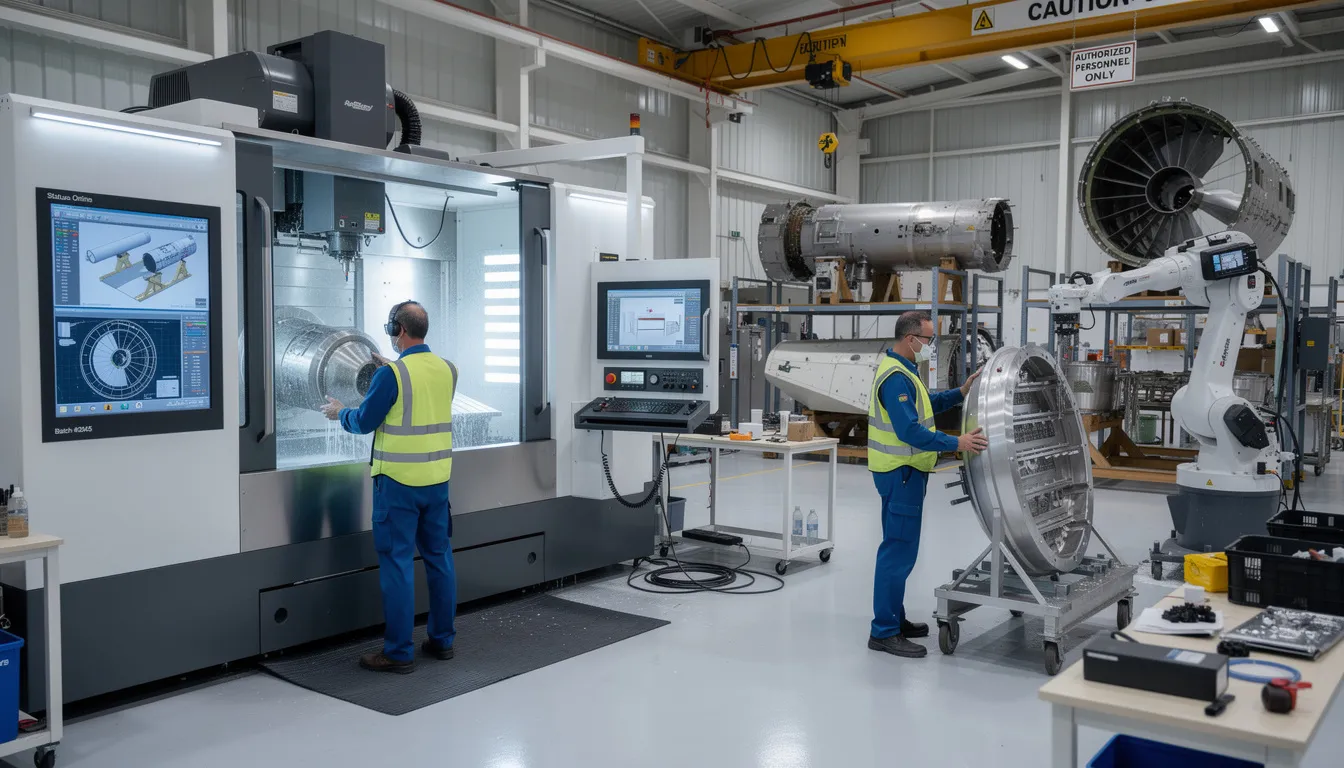
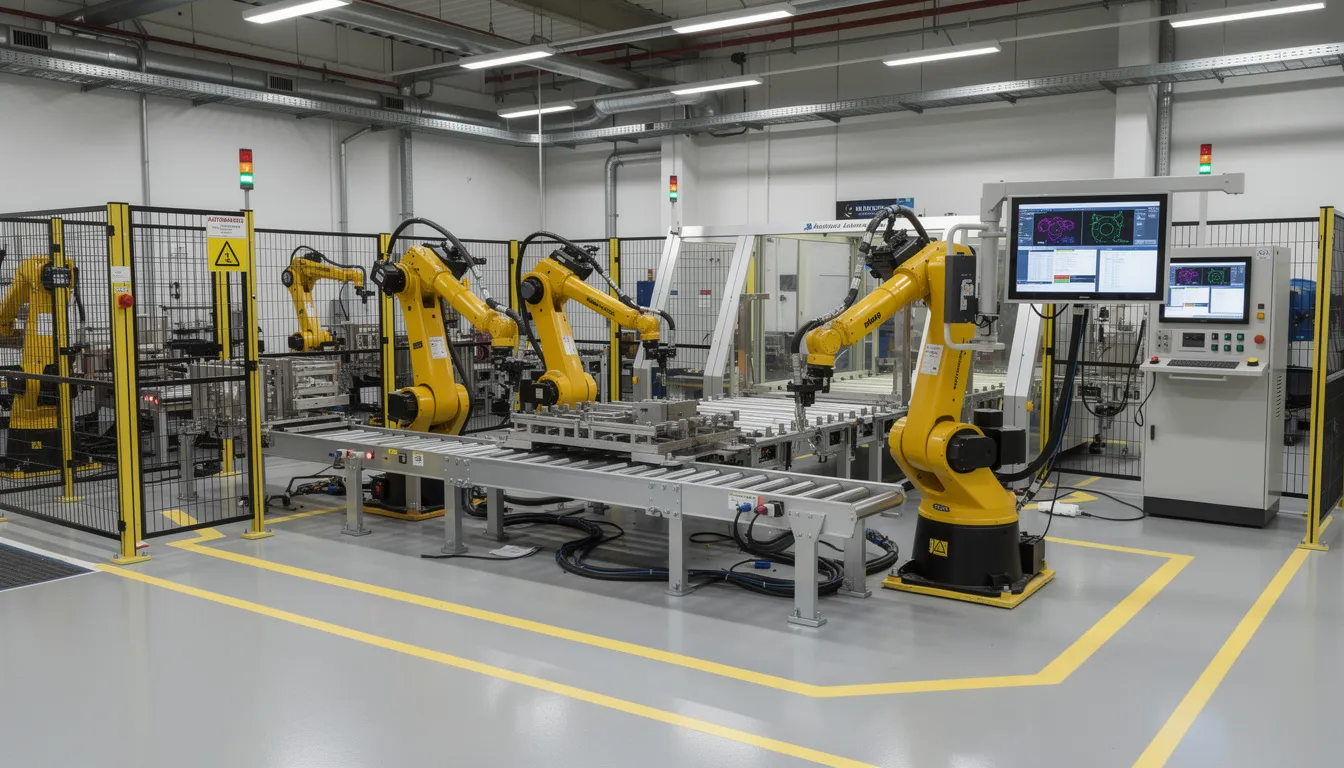
An MES can help a small supplier respond to prime audits by making shop-floor evidence easier to find, link, and explain. It does not make the supplier audit-ready by itself, and it will not compensate for weak procedures, missing records, uncontrolled drawings, or poorly managed concessions. The practical value is reducing evidence hunting and making the relationship among work orders, revisions, operators, inspections, material lots, nonconformances, and approvals clearer.
For small aerospace and defense suppliers, the biggest audit problem is often not that the work was never done. It is that the evidence is scattered across paper travelers, spreadsheets, ERP notes, inspection folders, email approvals, QMS records, and customer portals. MES can reduce that fragmentation if it is implemented with traceability and evidence retrieval in mind.
MES is most useful when a prime auditor asks for objective evidence tied to a specific job, part number, serial number, lot, operation, or operator. A well-configured MES can help show:
This can make an audit response faster and less dependent on a few experienced people who know where records are stored. It also helps reduce inconsistent answers between production, quality, and planning teams.
MES usually does not replace the systems a small supplier already relies on. ERP may remain the system of record for orders, inventory, costing, and shipments. QMS may remain the system of record for CAPA, supplier quality, formal nonconformance management, and audit findings. PLM or document control may remain the source for released drawings, specifications, and work instruction governance.
In brownfield environments, MES should normally connect to these systems rather than force a full replacement. Full replacement is often unrealistic because of qualification burden, validation cost, downtime risk, integration complexity, traceability obligations, change control, and long equipment lifecycles. A small supplier should be careful not to create a second uncontrolled system of record that conflicts with ERP, QMS, or released engineering data.
Prime audits are not impressed by software alone. They typically care whether the supplier can show controlled, repeatable execution against contractual, engineering, and quality requirements. MES helps only if it supports that control.
For example, MES may help demonstrate that operators used the correct instruction revision, that inspection data was captured at the required point in the process, and that nonconforming product did not quietly continue through production without disposition. But the underlying procedures still need to define what must happen, who can approve exceptions, how records are retained, and how changes are controlled.
MES can create audit risk if it is implemented casually. Common problems include poor part and routing master data, uncontrolled work instruction changes, weak user access controls, missing e-signature rationale where required, incomplete integration with ERP or QMS, and unclear ownership of electronic records.
Another common failure is digitizing a bad paper process without improving accountability. If operators still bypass steps, record results after the fact, or use informal workarounds, MES may only make those weaknesses more visible. That can be useful internally, but it may also expose process gaps during a customer audit.
A small supplier does not need to digitize everything at once. The first scope should usually focus on high-risk or high-audit-value records, such as digital travelers, revision-controlled work instructions, required inspection capture, material and serial traceability, nonconformance links, and approval history.
The implementation should also define how MES records map to the supplier’s quality procedures. Auditors will often ask how the electronic record is controlled, not just whether it exists. That means access control, audit trails, record retention, backup, validation or verification of intended use, and change control need to be addressed at a level appropriate to the supplier’s risk and customer requirements.
Used well, MES gives a small supplier a more defensible evidence trail. It does not remove the need for disciplined quality management, trained operators, accurate master data, or clear ownership between production, quality, engineering, and IT.


Whether you're managing 1 site or 100, Connect 981 adapts to your environment and scales with your needs—without the complexity of traditional systems.



Whether you're managing 1 site or 100, C-981 adapts to your environment and scales with your needs—without the complexity of traditional systems.