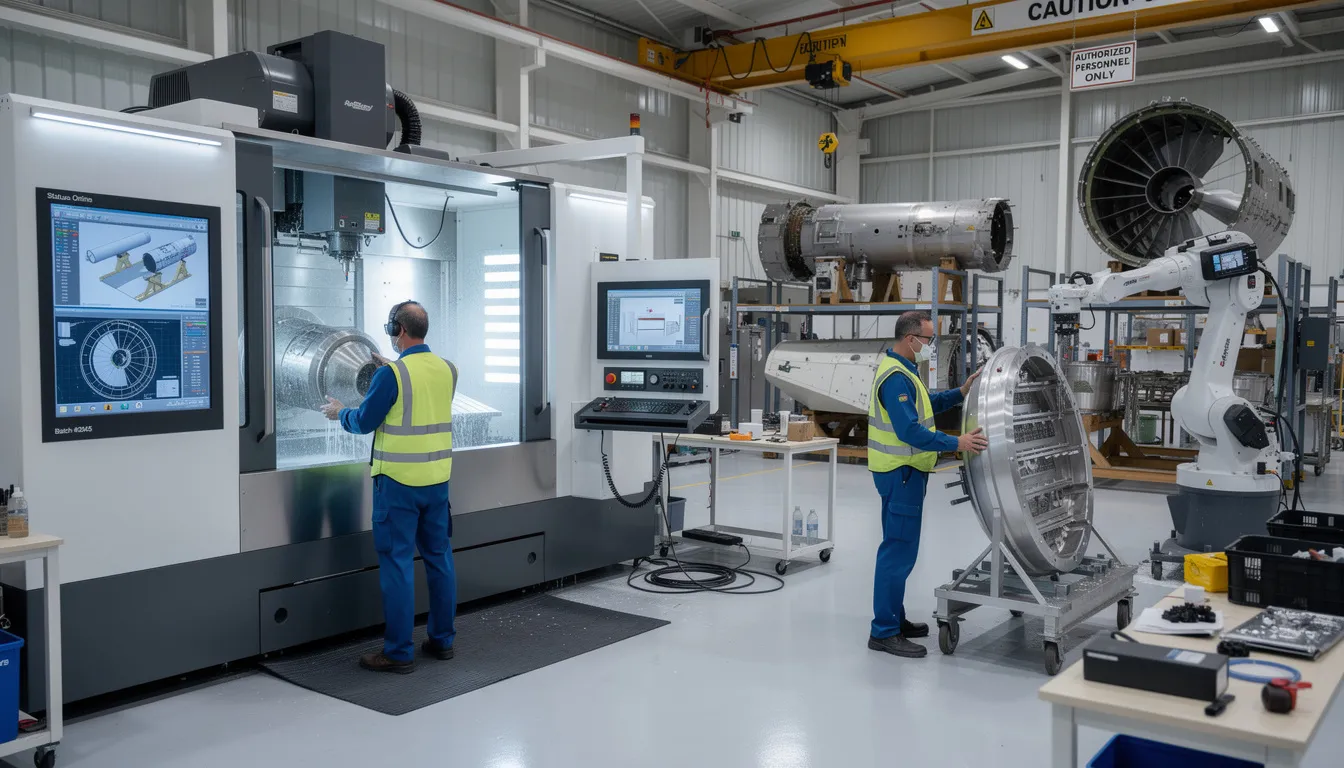
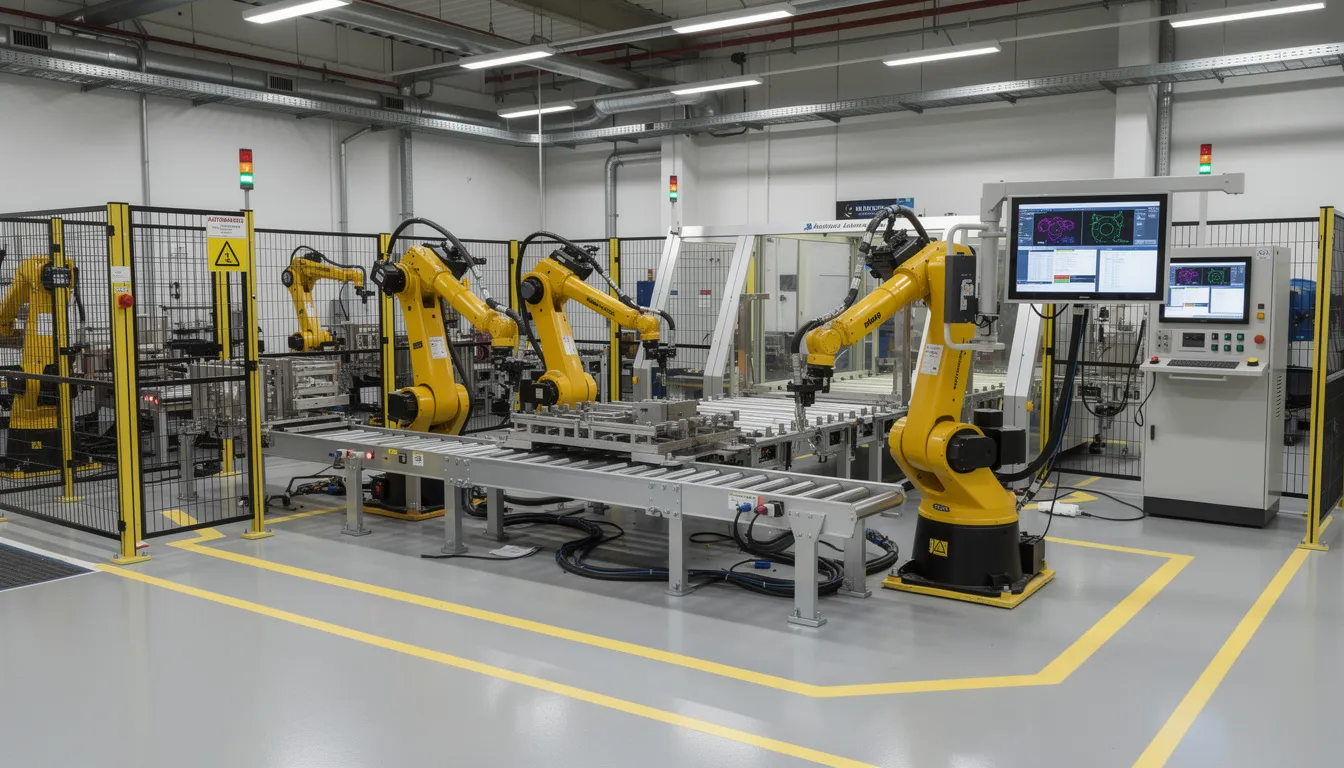
MES contributes to an aerospace digital thread by acting as the execution evidence layer between engineering intent, production planning, shop-floor activity, and quality records. In practical terms, it helps connect what was designed, what was planned, what was actually built, who performed the work, which materials and tools were used, what inspections were completed, and how exceptions were handled. MES does not create a complete digital thread by itself. The value depends heavily on integration quality, master data discipline, validation, and change control.
In aerospace manufacturing, the digital thread is not just a diagram of connected systems. It must support traceability across long program lifecycles, configuration changes, supplier activity, inspections, nonconformances, and customer-specific evidence requirements. MES is often where the planned process becomes an as-executed record.
Common MES contributions include:
This is especially important in aerospace because the manufacturing record often needs to prove not only that a part was completed, but that it was completed under the right configuration, with the right controls, and with traceable evidence.
MES is usually not the system of record for every part of the digital thread. PLM commonly owns product definition, engineering changes, bills of material, models, drawings, and configuration authority. ERP typically owns demand, purchasing, inventory accounting, production orders, and financial planning. QMS often owns formal quality processes such as CAPA, document control, audit findings, supplier quality, and nonconformance disposition, depending on the environment.
MES sits in the middle of these systems. It translates released engineering and planning data into executable shop-floor activity and records what actually happened. When integrated well, MES can feed execution evidence back into ERP, QMS, analytics platforms, customer portals, and long-term records repositories.
When integrated poorly, MES can become another disconnected database. The result may be duplicate records, conflicting part revisions, manual reconciliation, weak traceability, and audit preparation that still depends on spreadsheets and local knowledge.
A digital thread requires consistent identifiers, governed data handoffs, controlled revisions, and clear ownership across systems. MES can capture strong execution evidence, but it cannot fix unmanaged engineering releases, poor item master discipline, inconsistent serial number practices, or undocumented local process changes.
The most common failure modes are practical rather than conceptual:
These issues do not make MES unhelpful. They define the work required to make MES a credible part of the digital thread.
Most aerospace plants are brownfield environments with existing ERP, PLM, QMS, maintenance systems, legacy MES modules, machine interfaces, and customer reporting obligations. Full replacement is often unrealistic because of qualification burden, validation cost, downtime risk, integration complexity, traceability obligations, and long equipment lifecycles.
For that reason, MES digital thread work is commonly phased. A plant may start with digital travelers, controlled work instructions, serialized traceability, inspection capture, or nonconformance integration before attempting broader end-to-end connectivity. This is usually more defensible than assuming one platform can replace every established system at once.
MES contributes reliably only when the surrounding controls are mature enough. Important prerequisites include governed master data, controlled routing and instruction revisions, clear system-of-record decisions, validated interfaces, role-based access, audit trails, and documented change control. In regulated aerospace contexts, validation and procedural alignment matter as much as software capability.
Cybersecurity and export-control requirements may also affect architecture. For example, technical data handling, user access, cloud hosting, supplier collaboration, and remote support may need additional controls depending on the program, customer, jurisdiction, and contractual obligations.
MES contributes to the aerospace digital thread by capturing the as-executed manufacturing record and connecting shop-floor activity to engineering, planning, quality, and traceability data. It is one of the most important operational layers in the thread, but it is not sufficient on its own. The thread is only as reliable as the data model, integrations, validation, governance, and human workflows that support it.


Whether you're managing 1 site or 100, Connect 981 adapts to your environment and scales with your needs—without the complexity of traditional systems.



Whether you're managing 1 site or 100, C-981 adapts to your environment and scales with your needs—without the complexity of traditional systems.