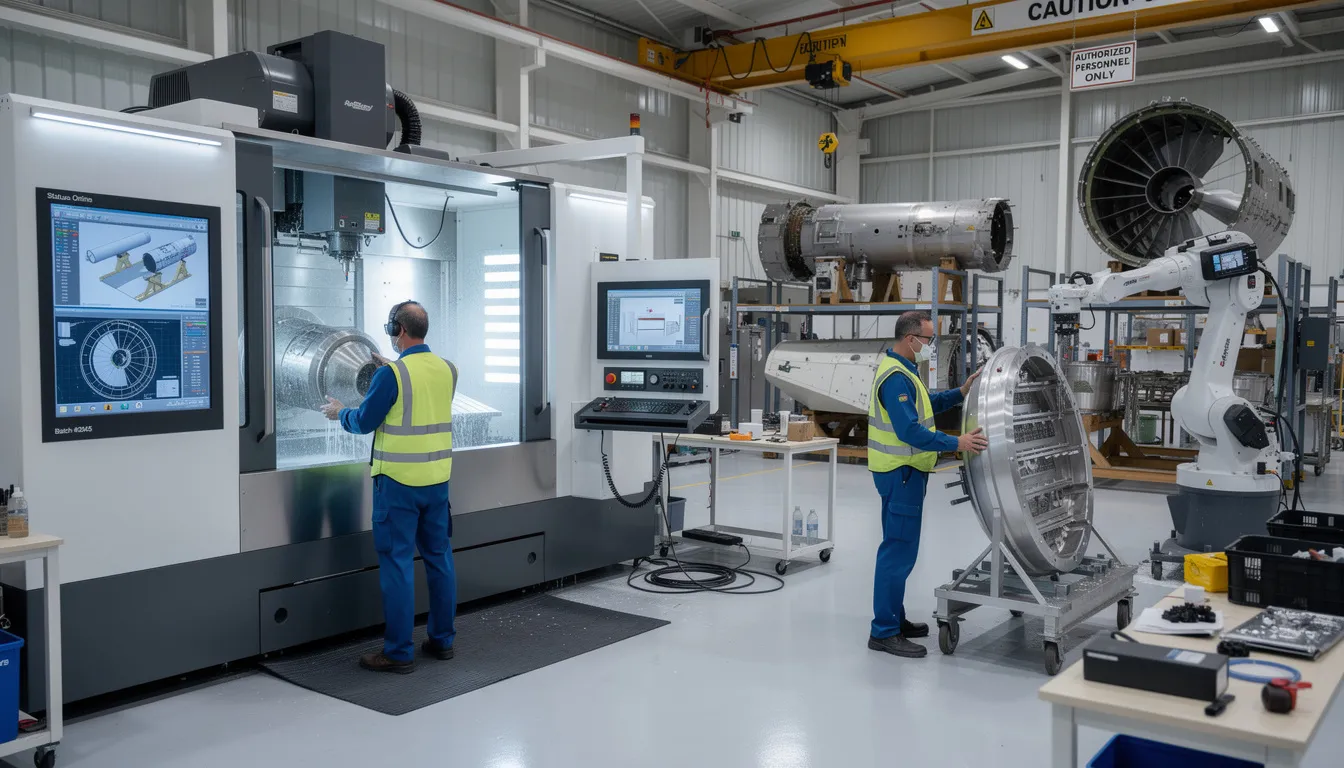
Start by defining which MRO records, assets, parts, and decisions the digital thread must support, then map where that information is created, changed, approved, and archived today. Do not start with a platform replacement plan. In most regulated MRO environments, the practical first step is to connect existing systems with controlled interfaces, common identifiers, and clear data ownership while preserving traceability and validated processes.
“Digital thread” can become too broad to execute. Pick a narrow maintenance or repair scenario where traceability matters and where the current handoffs are painful.
Common starting points include:
The use case should be important enough to justify integration effort, but small enough to validate without disrupting active maintenance operations.
The next step is to identify which systems own which data. In brownfield MRO, this usually includes some combination of MRO software, ERP, MES, PLM, QMS, electronic document control, maintenance planning, inspection systems, calibration systems, and customer or OEM portals.
This mapping needs to be specific. For example, one system may own the work order, another may own approved maintenance instructions, another may hold the asset configuration, and another may store nonconformance or corrective action records. If ownership is unclear, integrations tend to duplicate data, overwrite valid records, or create audit trail gaps.
Digital thread work usually fails early when identifiers are inconsistent. Before building interfaces, confirm how the organization identifies assets, assemblies, part numbers, serial numbers, work orders, maintenance tasks, inspection characteristics, tooling, technicians, documents, and revisions.
This does not require a perfect enterprise data model on day one. It does require a controlled cross-reference approach and agreement on which identifiers are authoritative. Without that, downstream analytics may look connected while the underlying records remain ambiguous.
MRO data is not just operational data. Much of it is evidence. The connection plan should show when a record is created, who can change it, what approval is required, which revision was in effect, and where the final record is retained.
This is especially important for inspection results, maintenance release records, engineering dispositions, repair approvals, part traceability, and technician signoffs. The digital thread should not weaken existing controls for electronic signatures, audit trails, record retention, document revision control, or segregation of duties.
Not every connection needs real-time integration. Some MRO processes need near-real-time status updates, while others can tolerate scheduled synchronization or controlled data exchange. The right pattern depends on operational risk, regulatory expectations, data criticality, and system capability.
Typical options include API integration, message queues, event-driven integration, file exchange, reporting layer consolidation, or middleware. Manual review may still be required for high-risk updates, customer-controlled records, engineering dispositions, or records that affect maintenance release decisions.
In regulated MRO, connecting systems can change the validated state of the process even if the user interface barely changes. Interface logic, field mapping, transformation rules, permissions, audit trails, exception handling, and failure recovery may all need to be tested and controlled.
Validation expectations vary by organization, customer contract, aviation authority, and quality system. The safe assumption is that the integration will need documented requirements, test evidence, change control, access control review, and a rollback or contingency plan.
Full replacement of MRO, ERP, MES, PLM, or QMS platforms is often unrealistic as a first step. The barriers are not just technical. Qualification burden, validation cost, constrained downtime, customer approvals, data migration risk, integration debt, and long equipment and aircraft lifecycles usually make replacement a multi-year program.
A better first step is usually to establish a controlled integration layer and a practical data governance model around the systems that must continue to coexist.
A credible first phase should produce a small set of concrete artifacts:
Only after these are clear should the organization choose tooling, middleware, or platform architecture. Otherwise, the project risks producing another disconnected layer rather than a usable digital thread.


Whether you're managing 1 site or 100, Connect 981 adapts to your environment and scales with your needs—without the complexity of traditional systems.



Whether you're managing 1 site or 100, C-981 adapts to your environment and scales with your needs—without the complexity of traditional systems.