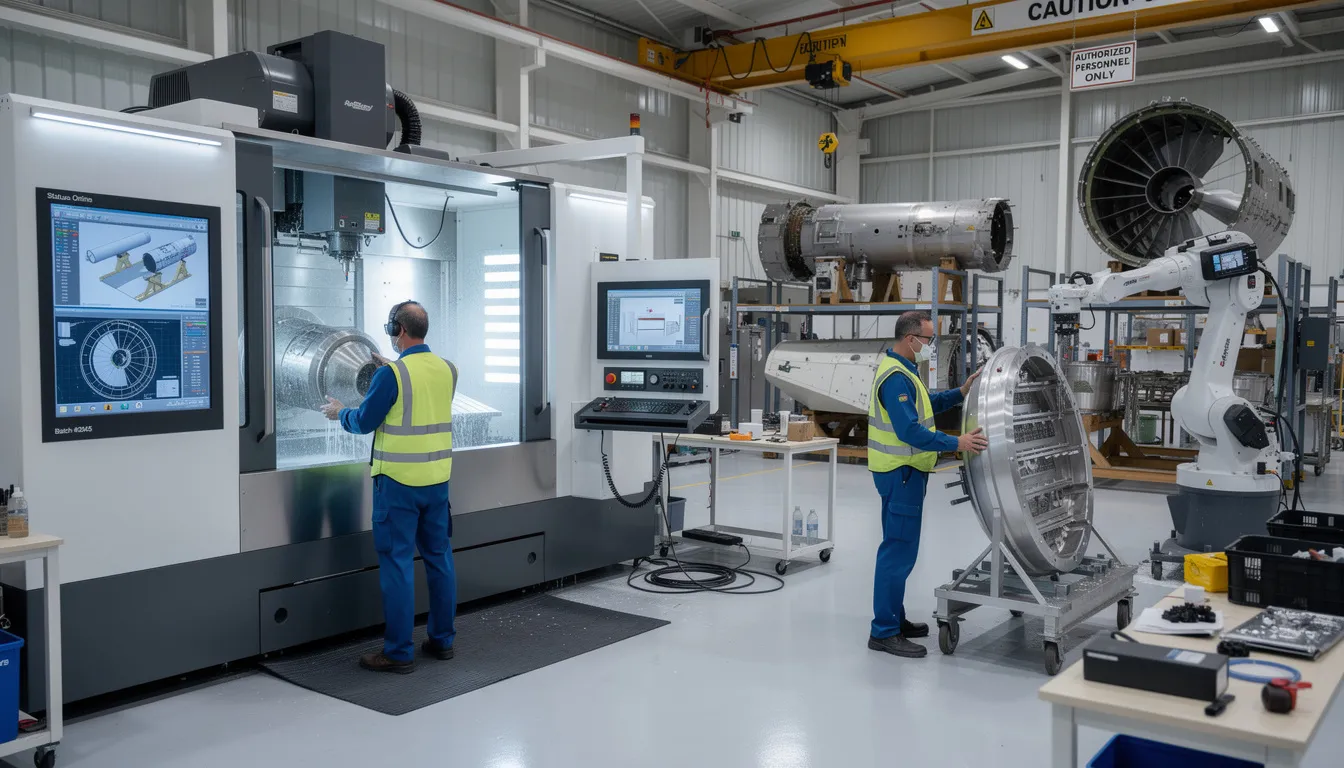
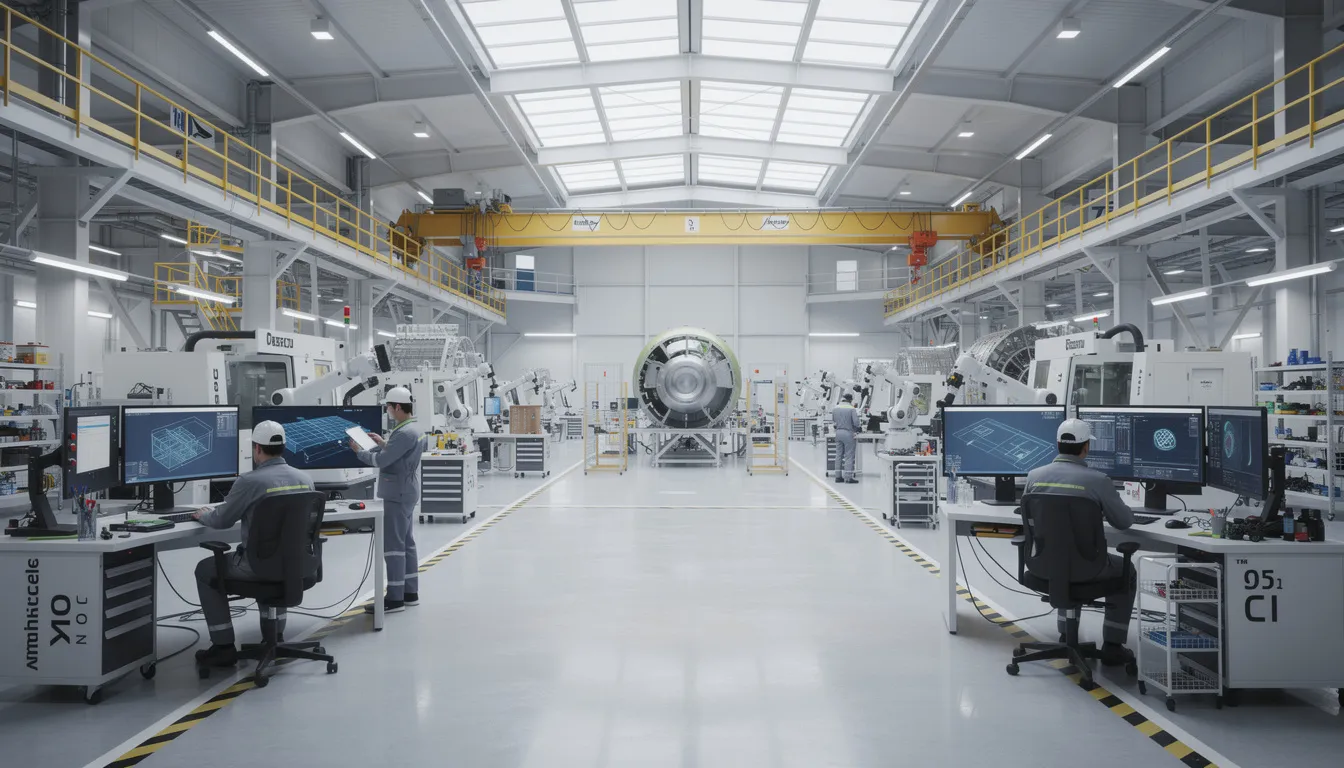
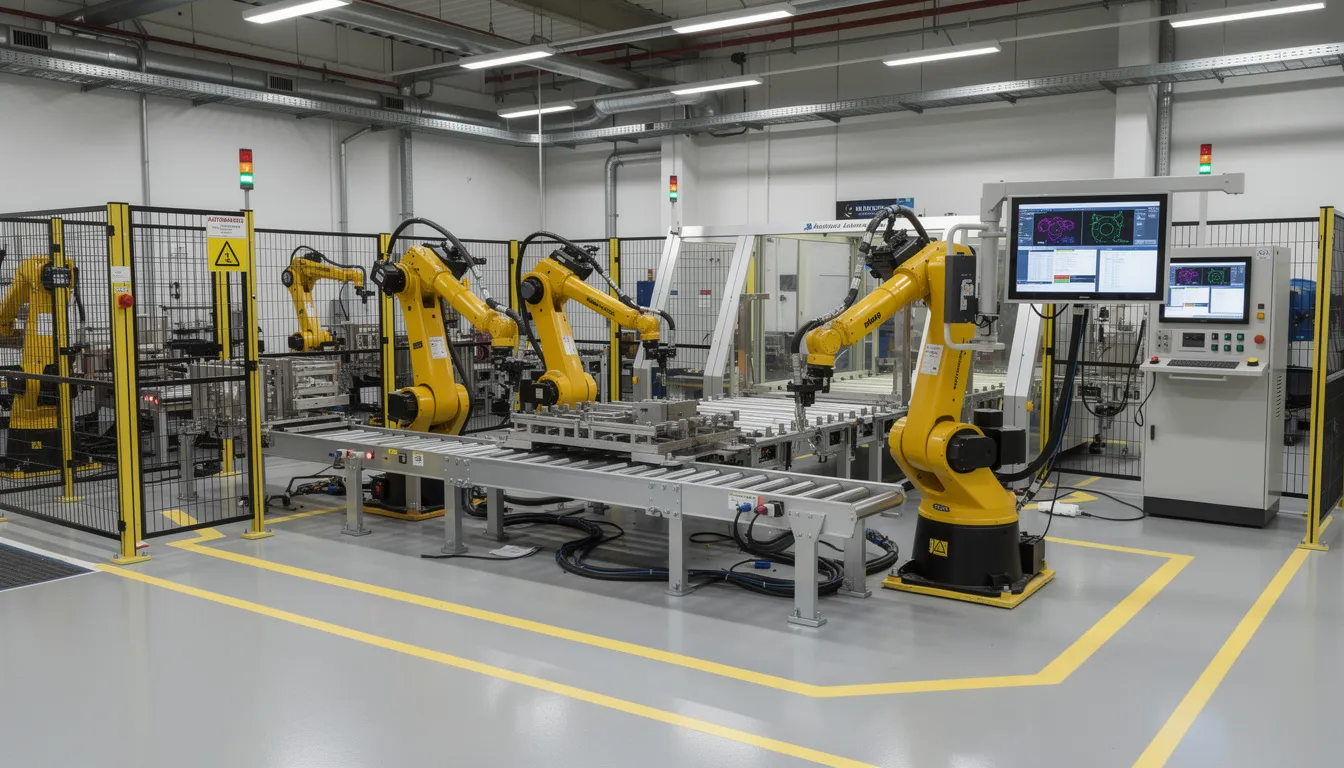
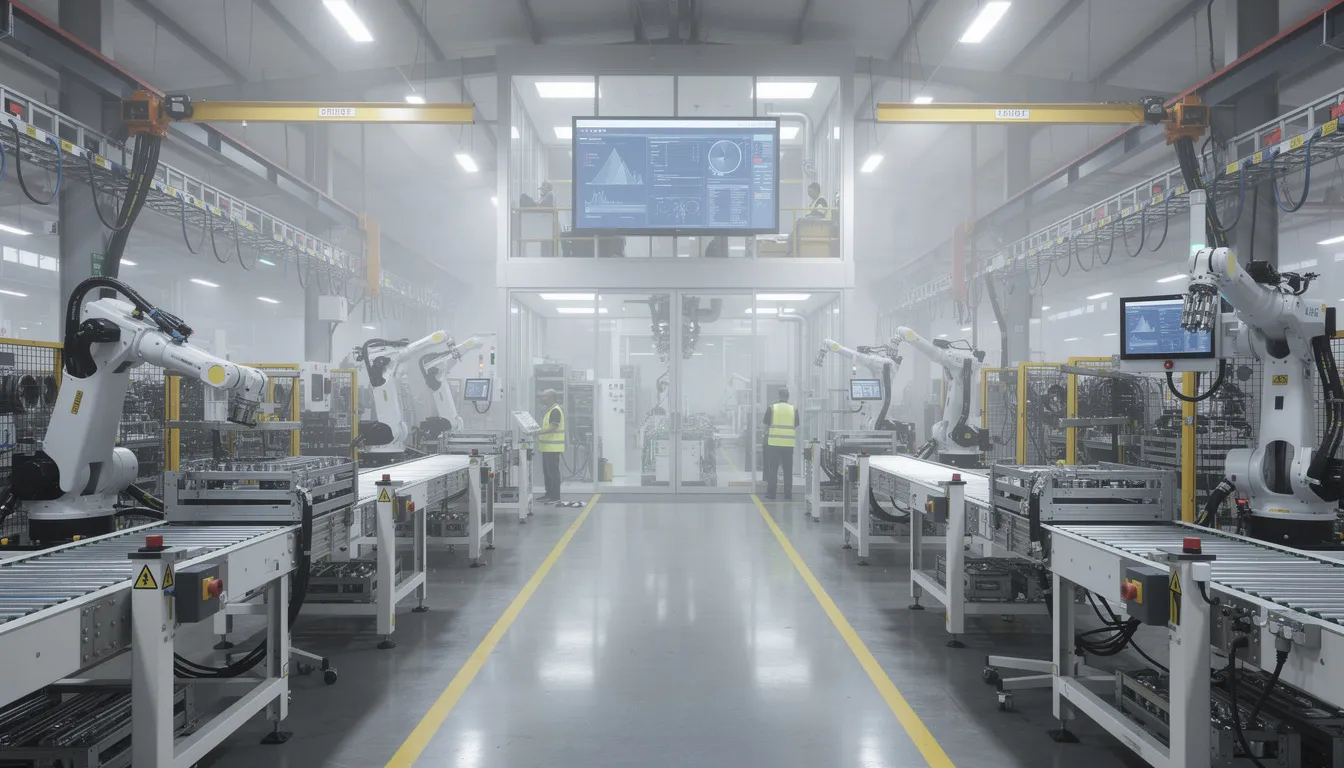
The best formats are the ones that capture how senior technicians make decisions at the point of work, not just what they remember in an interview. In practice, the strongest mix is observed task walkthroughs, annotated photos or short video clips, troubleshooting decision trees, defect or failure examples, and governed notes embedded into work instructions. In regulated environments, none of these should bypass approved procedures, inspection plans, engineering requirements, or quality controls.
Tacit expertise is usually conditional. A senior technician may know when a fixture is not seating correctly, when a sound indicates an equipment issue, when a reading is technically in tolerance but suspicious, or when a recurring defect is tied to setup behavior. Those judgments are hard to capture in a conventional SOP unless the format preserves context, cues, limits, and escalation points.
Long interview transcripts, generic lessons-learned documents, unstructured wiki pages, and informal chat threads usually do not hold up well as operational knowledge. They may be useful raw inputs, but they are weak as controlled shopfloor guidance unless someone converts them into approved, maintained content.
Another common failure is capturing expert workarounds without separating legitimate local know-how from practices that conflict with the router, work instruction, maintenance procedure, inspection plan, or engineering definition. Senior technicians often know how the plant really runs, but not every workaround should be standardized.
In regulated manufacturing, captured expertise needs ownership, review, version control, and change control before it becomes official guidance. Engineering, quality, manufacturing engineering, maintenance, training, or operations may all need to review the content depending on the subject.
If the content affects product realization, inspection judgment, equipment setup, maintenance, or acceptance criteria, it should not live only in a standalone knowledge base. It usually needs to connect to controlled work instructions, MES routings, PLM-controlled specifications, QMS records, maintenance procedures, or training records. The right system of record depends on the plant’s architecture and validation approach.
Most plants already have legacy MES, ERP, PLM, QMS, CMMS, shared drives, and local training systems. Full replacement is usually unrealistic just to capture senior technician expertise. The qualification burden, validation cost, downtime risk, integration complexity, traceability obligations, and long equipment lifecycles are usually too large.
A more realistic approach is to capture knowledge in a structured format, govern it, and then link it into the systems where operators, inspectors, maintenance technicians, and supervisors already work. That may mean digital work instructions in one area, QMS-linked defect examples in another, and CMMS troubleshooting guides for equipment issues.
Good capture requires time with the technician during real work, a facilitator who understands the process, and a review path that does not take months. If content approval is too slow, teams will continue to rely on informal tribal knowledge. If approval is too loose, the plant risks spreading unvalidated guidance.
Video and photos can also introduce data-handling issues. They may reveal export-controlled technical data, customer information, proprietary processes, badge information, personal data, or uncontrolled product configuration details. Access control and retention rules should be considered before recording at the workstation.
The best result is usually not a single repository. It is a controlled set of small, context-specific knowledge assets that are easy to find, tied to the operation or equipment, reviewed by the right owners, and updated when the process changes.


Whether you're managing 1 site or 100, Connect 981 adapts to your environment and scales with your needs—without the complexity of traditional systems.



Whether you're managing 1 site or 100, C-981 adapts to your environment and scales with your needs—without the complexity of traditional systems.