Defect containment
Defect containment is the short-term control of known or suspected nonconforming product to prevent further use or shipment.


Defect containment is the short-term control of known or suspected nonconforming product, material, or process output to prevent it from moving forward, being used, or being shipped until it is evaluated. In manufacturing, it commonly refers to actions taken immediately after a defect, quality signal, customer issue, or process abnormality is identified.
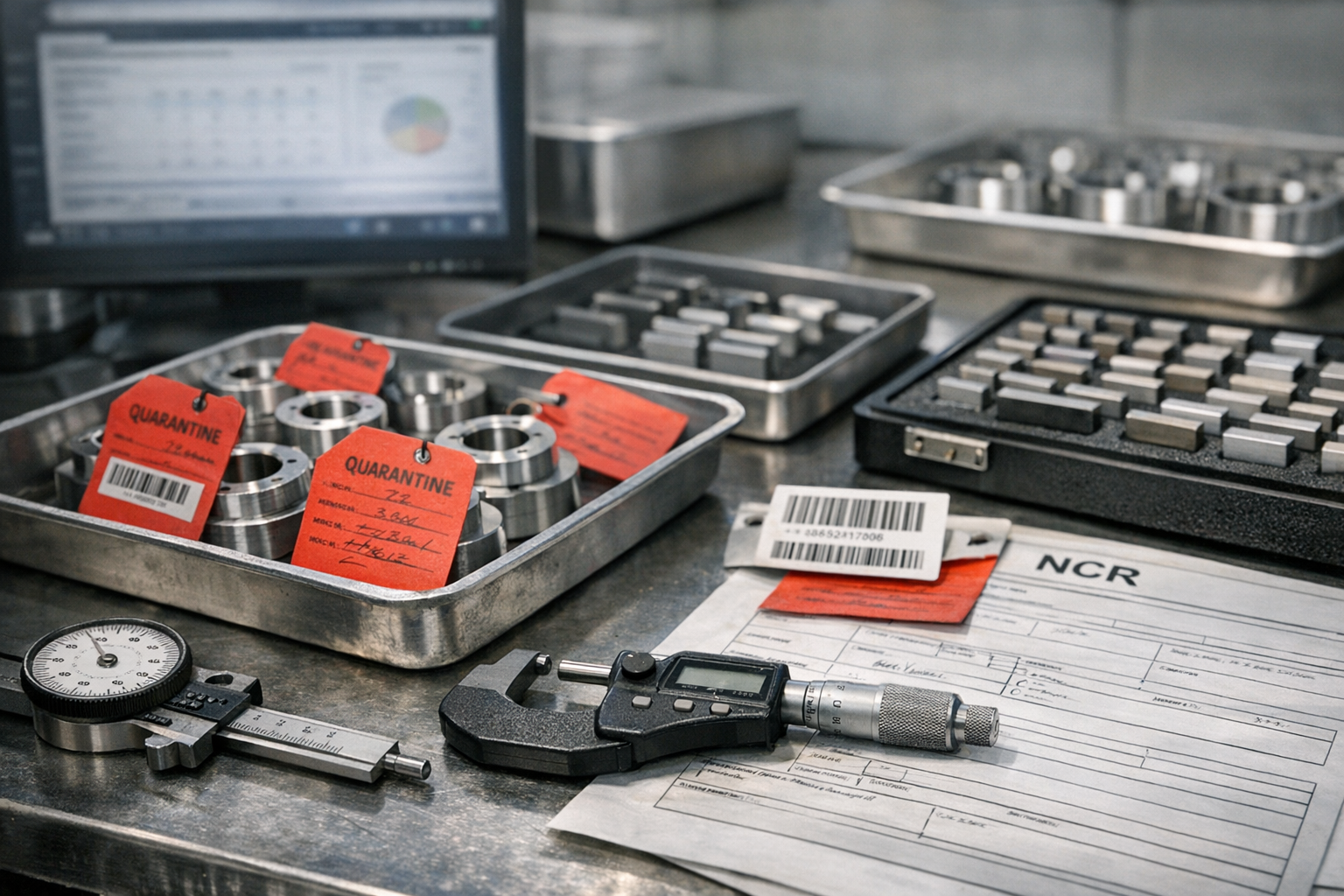
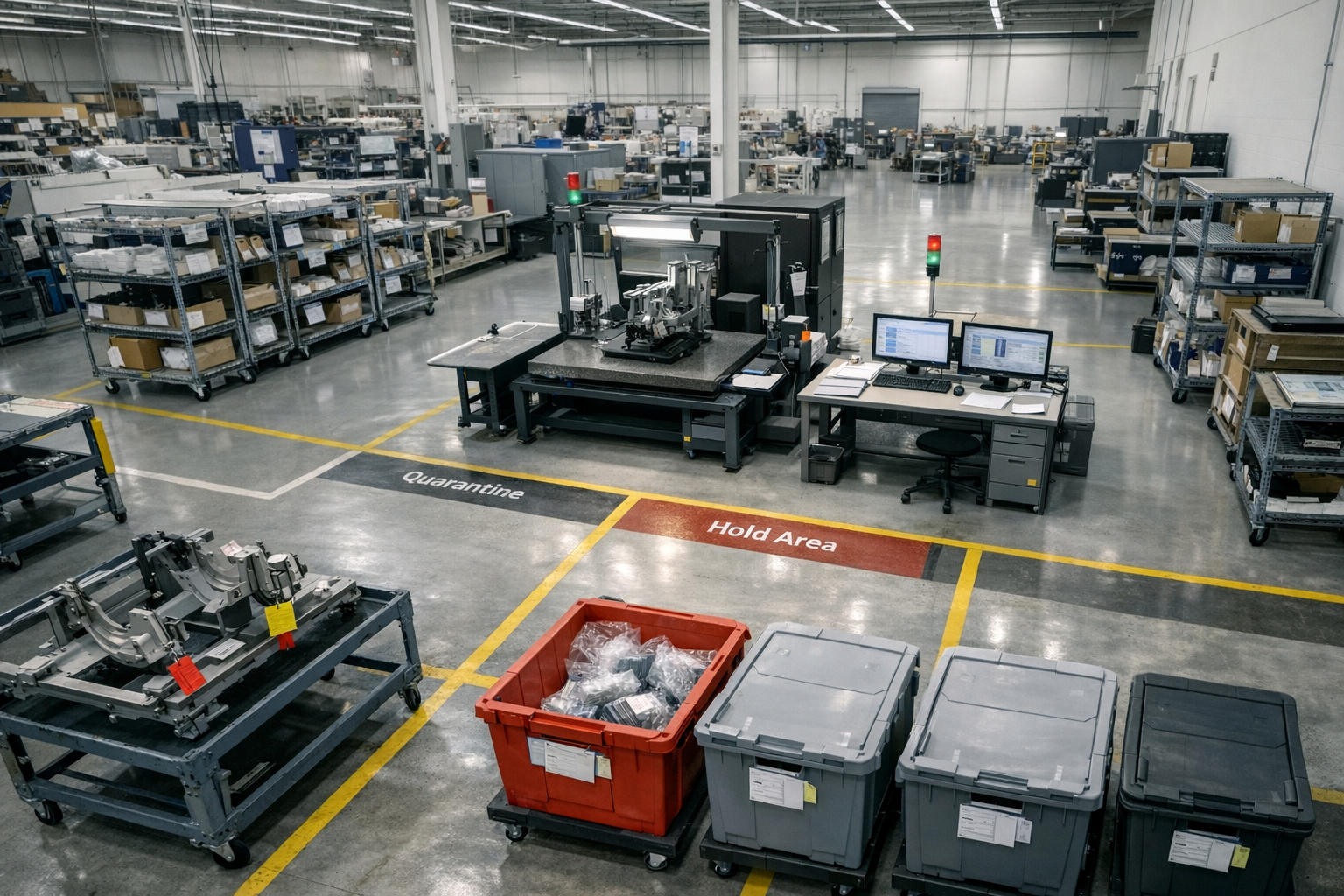
Containment may include placing inventory on hold, segregating material, stopping shipment, inspecting or sorting affected lots, tracing potentially impacted serial numbers or batches, and blocking use of suspect parts in MES, ERP, WMS, or quality systems. The purpose is to limit exposure while the organization determines scope, disposition, and next steps.
Defect containment should not be confused with root cause analysis or corrective action. Containment controls the immediate risk of escape or further processing. Root cause analysis investigates why the defect occurred, and corrective or preventive actions address the underlying cause. In quality workflows such as NCR, MRB, 8D, or CAPA processes, containment is often one of the first operational steps before formal disposition or long-term improvement actions are completed.


Related Blog Articles


Related FAQ
Related Glossary
Ready to See How C-981 Can Accelerate Your Factory’s Digital Transformation?

