First-Pass Containment
First-pass containment is the immediate control of suspected nonconforming material before full root cause is known.


First-pass containment commonly refers to the immediate actions taken to isolate, identify, and control potentially nonconforming product, material, or process output as soon as an issue is detected. Its purpose is to prevent further use, shipment, or processing of affected items while the organization verifies scope and decides on next steps.
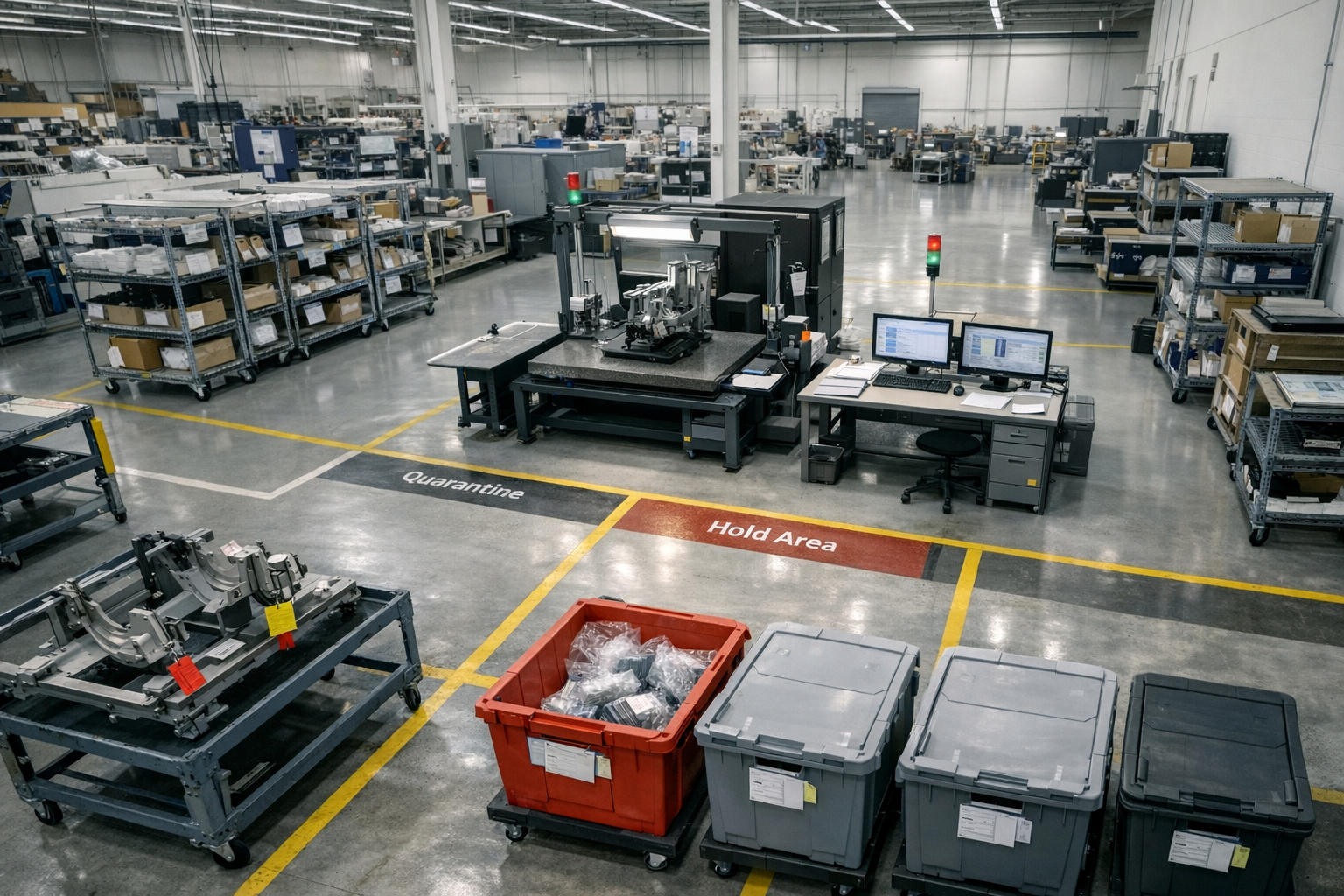
In manufacturing and regulated operations, first-pass containment is an initial control step, not a final disposition. It may include stopping a line or operation, segregating stock, placing inventory on hold, tagging affected units, blocking transactions in MES or ERP, or increasing inspection on suspect lots. The exact actions vary by process and quality system.
The term generally includes short-term actions performed before full root cause analysis is complete. It does not by itself mean the issue has been corrected, that corrective action is complete, or that all affected material has been fully identified.
What it includes
-
Immediate control of suspect product or process output
-
Temporary measures to reduce further escape or use
-
Initial scoping of affected lots, serial numbers, work orders, or time windows
-
Communication to operations, quality, and sometimes suppliers or customers when relevant
-
System-level holds or status changes to preserve traceability and prevent movement
What it does not include
-
Formal root cause determination
-
Permanent corrective action
-
Final material review or disposition
-
Verification that recurrence risk has been eliminated
Operational meaning
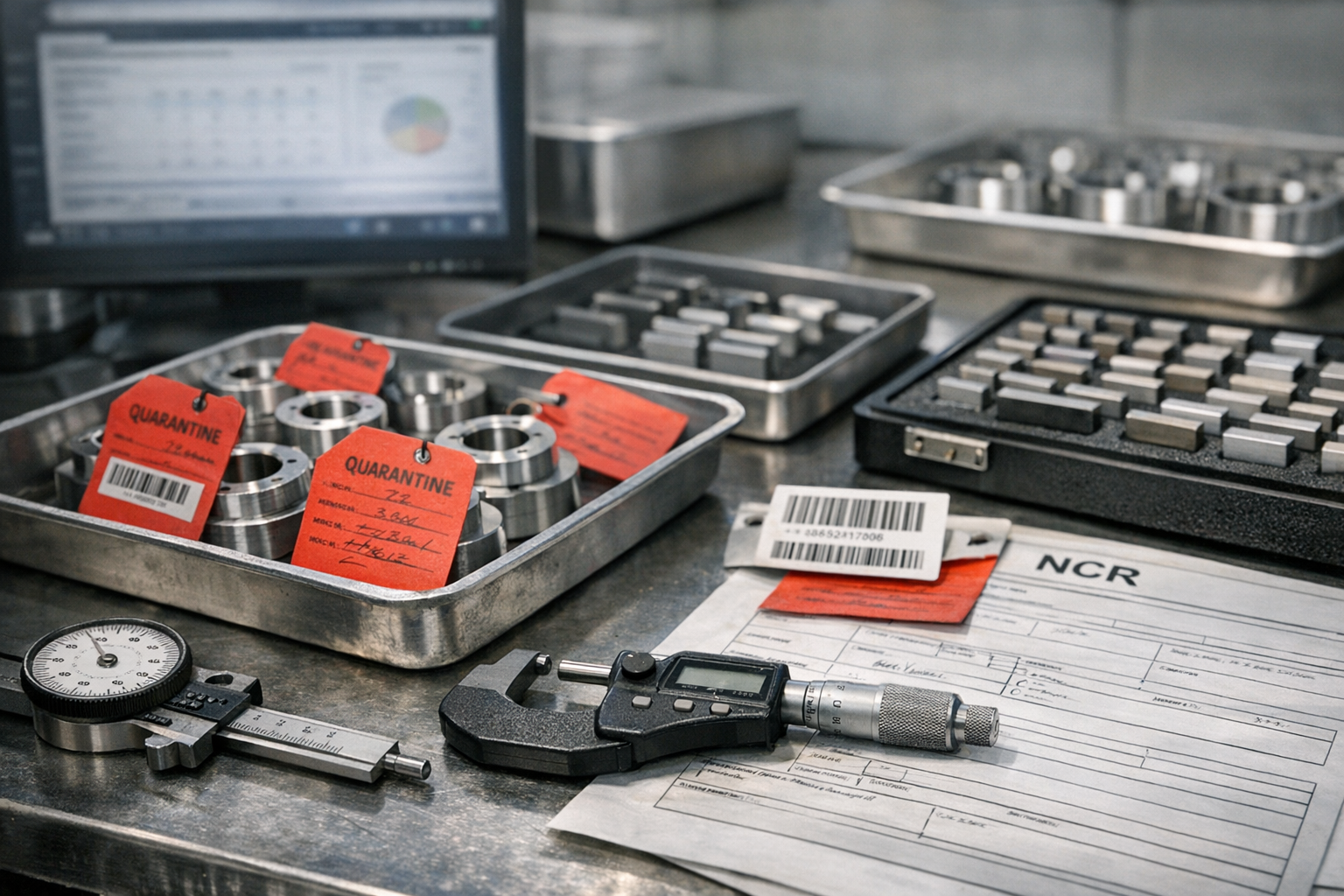
In daily workflows, first-pass containment often appears as the first documented response after a defect, test failure, process deviation, or supplier issue is found. Quality teams may open an NCR, place affected inventory in quarantine, trigger additional inspections, and use traceability records to identify where else the issue could exist. In digital environments, containment can also involve transaction locks, alerts, genealogy review, and status changes across MES, ERP, or QMS records.
Common confusion
First-pass containment is often confused with correction, corrective action, and disposition.
-
Correction is the action taken to fix a detected problem or affected item.
-
Corrective action addresses the underlying cause to reduce recurrence.
-
Disposition determines what happens to the affected material, such as rework, scrap, return, or use-as-is approval where applicable.
Containment comes earlier and is mainly about immediate control.


Related Blog Articles


Related FAQ
Related Glossary
Ready to See How C-981 Can Accelerate Your Factory’s Digital Transformation?

