
information security controls
Information security controls are structured safeguards that protect information assets by reducing security risks to acceptable levels.


Information security controls are the specific safeguards, mechanisms, and practices put in place to protect information and information systems against security risks such as unauthorized access, loss, alteration, or unavailability. They translate an organization’s information security objectives and risk decisions into concrete actions in people, process, and technology.
What information security controls include
Information security controls commonly cover:
- Administrative / organizational controls, such as policies, procedures, training, segregation of duties, supplier security requirements, and governance structures.
- Technical controls, such as authentication, access control, encryption, network segmentation, logging and monitoring, backup and restore, and endpoint protection.
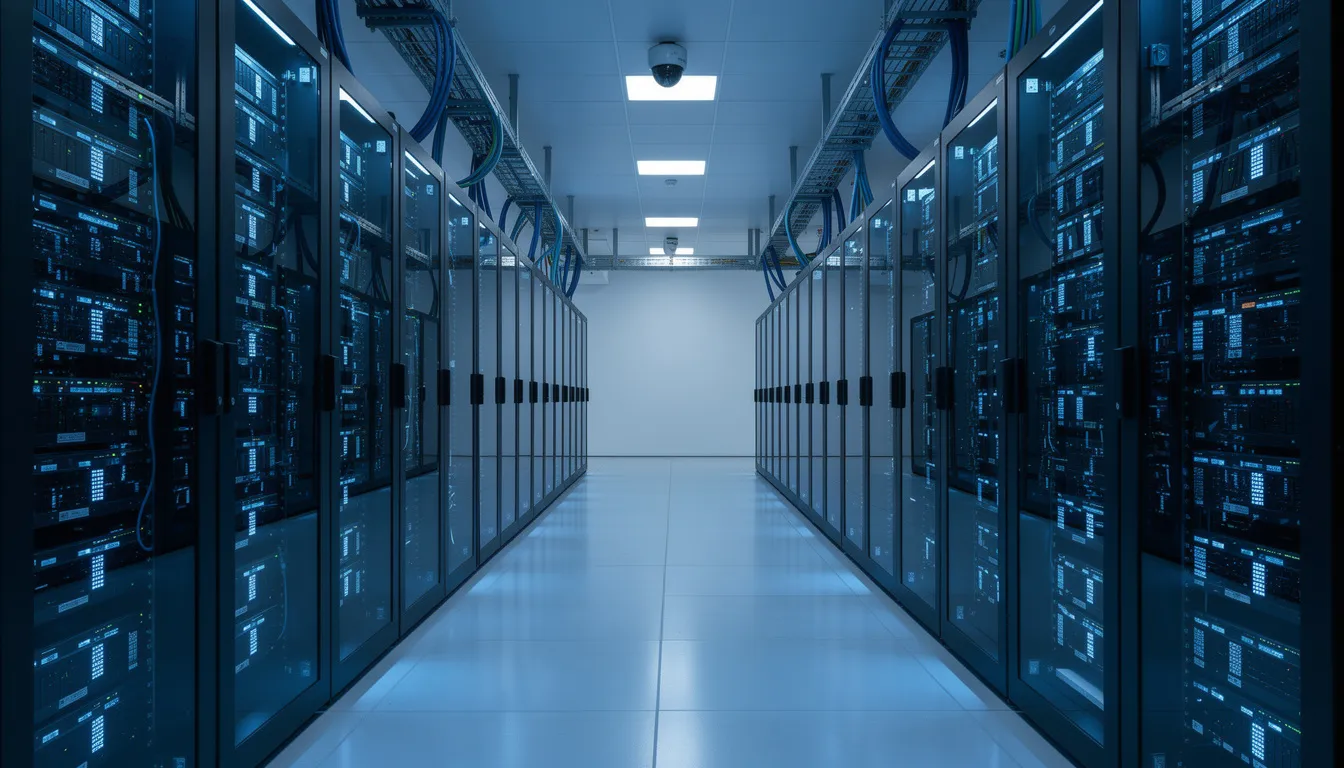
- Physical controls, such as facility access control, visitor management, locks, cameras, and environmental protections for equipment.
In industrial and manufacturing environments, information security controls apply to both IT systems (for example ERP, MES, quality systems) and OT systems (for example PLCs, SCADA, data historians), as well as interfaces between them.
Operational meaning in regulated manufacturing
In regulated operations, information security controls are usually designed and maintained based on a documented risk assessment and mapped to relevant standards or frameworks. Examples include:
- Access controls that limit who can modify electronic batch records or quality records.
- Network zoning and firewalls between corporate IT and plant-floor OT equipment.
- Change and configuration control for MES, SCADA, and laboratory systems.
- Backup, recovery, and continuity controls for critical production and compliance data.
- Logging and monitoring controls used to support investigations and audits.
Information security controls are typically documented in procedures, system design descriptions, and configuration records, and are referenced in a Statement of Applicability when an organization aligns with frameworks such as ISO/IEC 27001.
Relation to ISO/IEC 27001 and other frameworks
In ISO/IEC 27001, the term “controls” generally refers to the security measures listed in Annex A and any additional measures an organization defines. These controls are grouped into domains, but different training materials may simplify that structure into a smaller number of categories. In practice, organizations select and tailor information security controls based on their own risk assessment and regulatory context rather than a fixed “4-category” model.
Other frameworks (for example NIST Cybersecurity Framework or IEC 62443 for industrial automation and control systems) use similar concepts, organizing information security controls into families or functions such as identify, protect, detect, respond, and recover.
What information security controls are not
- They are not the same as security risks; controls are responses to risks.
- They are not limited to IT; they also apply to OT systems, facilities, and people.
- They are not by themselves proof of compliance; they must be implemented, maintained, and evidenced.
Common confusion
- Information security controls vs. cybersecurity tools: Tools such as firewalls or antivirus software are one type of control, but an information security control may also be a procedure, training, or governance activity with no dedicated software.
- Information security controls vs. internal controls: Internal controls is a broader term used in finance, operations, and compliance. Information security controls are a subset focused specifically on protecting information assets and systems.
- Information security controls vs. privacy controls: Privacy controls focus on personal data protection and regulatory privacy requirements. Information security controls protect all types of information assets, which can include but are not limited to personal data.


Related Blog Articles



Related FAQ
Related Glossary
Ready to See How C-981 Can Accelerate Your Factory’s Digital Transformation?
