
IT
IT (Information Technology) refers to the systems, infrastructure, software, and services that process, store, and transmit digital information in an organization.


IT, short for Information Technology, commonly refers to the systems, infrastructure, software, and services used to create, process, store, secure, and transmit digital information within an organization. In industrial and manufacturing environments, IT typically covers business and enterprise systems, data centers, corporate networks, and cloud services, as distinct from plant-floor operational technology (OT).
Scope in industrial and regulated environments
In manufacturing organizations, IT usually includes:
- Enterprise applications such as ERP, PLM, LIMS, QMS, CRM, and HR systems
- Office productivity and collaboration tools, email, and document repositories
- Corporate and site-wide networks (LAN, WAN, VPN, Wi-Fi) and internet connectivity
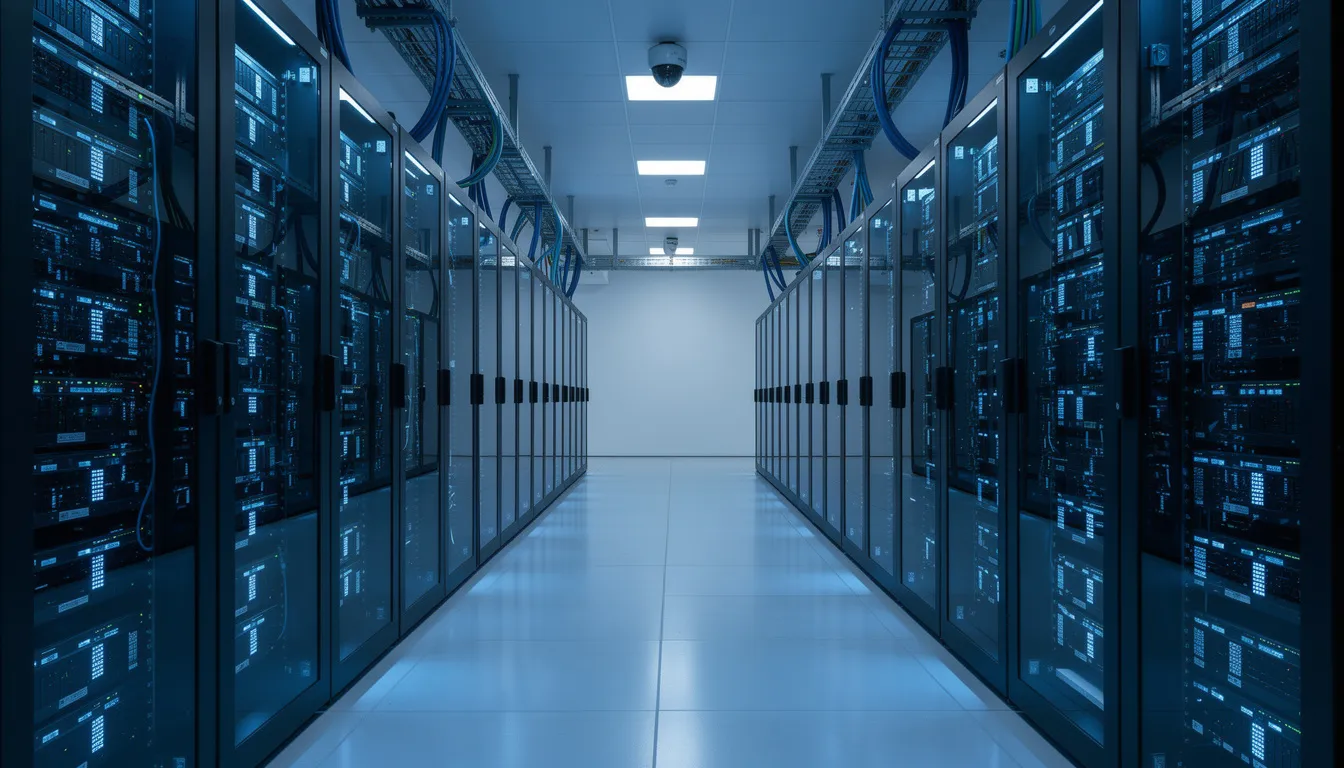
- Servers, storage, virtualized environments, and cloud platforms
- Directory services, identity and access management, and user account provisioning
- Enterprise cybersecurity controls such as firewalls, endpoint protection, and monitoring tools
IT departments in regulated industries often work closely with quality, compliance, and operations teams to support validated systems, data integrity practices, and secure interfaces between IT systems and OT systems such as SCADA, DCS, and MES.
Role in security and compliance
Within information security frameworks such as ISO 27001, IT commonly represents a major portion of the information assets and infrastructure in scope. This can include:
- Networks and communication links that connect manufacturing sites and corporate locations
- Systems that store or process regulated records, technical data, or confidential information
- Supporting services like backup, recovery, logging, and centralized administration
IT responsibilities in this context typically cover implementing and operating security controls, managing changes to systems and networks, and coordinating with OT teams where there are shared or boundary systems.
Common confusion
IT vs OT: IT focuses on business and enterprise information systems, while OT (Operational Technology) refers to the hardware and software that monitor or control physical equipment and processes on the shop floor. In modern plants, IT and OT often converge in areas such as MES, data historians, and edge gateways, which require clear ownership and security boundaries.
IT vs IS: IT refers to the technology and systems themselves, while information security (IS) or cybersecurity refers to the protection of those systems and the information they handle. IT teams frequently operate or host security controls but are not identical to the security function.
Relation to ISO 27001 scope
When defining the scope of an ISO 27001 Information Security Management System (ISMS) in a manufacturing company, IT elements usually form a substantial part of what is included. The scope statement often clarifies which IT networks, applications, data centers, and cloud services are covered, and how shared IT/OT components are treated, especially in brownfield environments with legacy systems and constrained change windows.


Related Blog Articles



Related FAQ
Related Glossary
Ready to See How C-981 Can Accelerate Your Factory’s Digital Transformation?
