IT network
An IT network is the interconnected infrastructure that supports business and enterprise information systems, distinct from OT networks.


An IT network is the interconnected set of communication infrastructure, devices, and services that support information technology systems for business and enterprise functions. In industrial and regulated environments, the IT network typically handles corporate applications, email, file services, ERP, MES front-ends, collaboration tools, remote access, and internet connectivity.
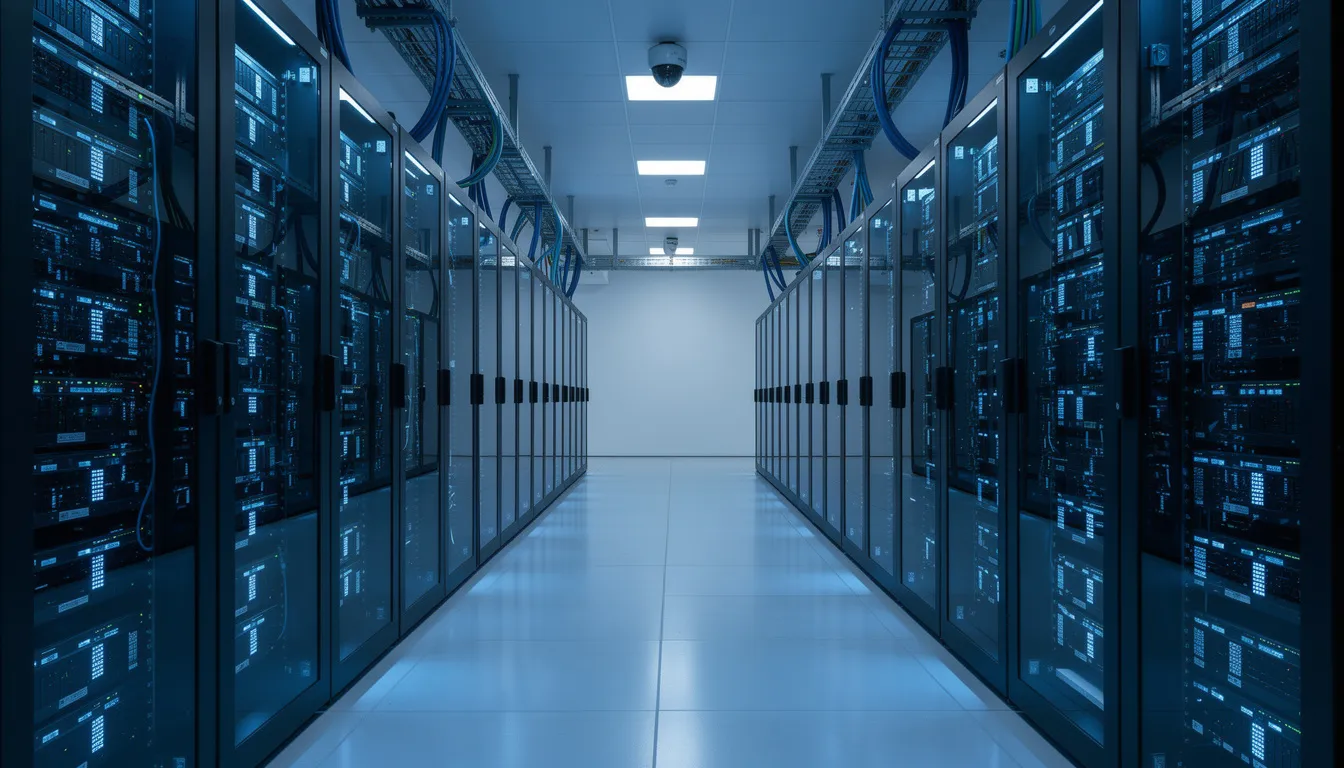
The IT network usually includes switches, routers, firewalls, wireless access points, servers, storage, endpoint devices, and network services such as DNS, DHCP, directory services, and VPNs. It is generally managed by corporate IT or enterprise IT teams and is designed around confidentiality, integrity, and availability of business data, user productivity, and secure external connectivity.
An IT network is distinct from operational technology (OT) networks, which focus on real-time control of physical processes and equipment such as PLCs, DCS, SCADA, and field devices. While IT and OT networks may exchange data (for example, for production reporting, quality systems, or maintenance planning), they are commonly segmented using firewalls or demilitarized zones (DMZs) to limit cybersecurity risk and to enforce clear ownership and change control.
Common characteristics in manufacturing environments
In manufacturing and other regulated operations, an IT network commonly:
- Hosts enterprise applications such as ERP, LIMS, QMS, PLM, and corporate MES components
- Provides user access to business systems, email, collaboration platforms, and document repositories
- Connects to the internet and partner networks, usually through perimeter firewalls and security gateways
- Implements centralized identity and access management, patching, endpoint protection, and monitoring
- Interfaces with OT networks via tightly controlled links, gateways, or a DMZ for data exchange
What an IT network typically does not include
- Direct control of field devices, PLCs, or safety instrumented systems
- Real-time control networks such as control buses, I/O networks, or vendor-specific industrial control backbones
- Low-level deterministic control traffic where latency and jitter are tightly bounded
Common confusion
IT network vs OT network: An OT network focuses on monitoring and controlling physical processes (for example, production lines, utilities, environmental systems) and often has different availability and change-management requirements. An IT network focuses on business information systems and user services. In modern plants, the two domains are interconnected but are usually separated logically and physically for cybersecurity and operational reasons.
IT network vs DMZ: A DMZ between IT and OT is not itself the IT network. It is a separate security zone used to mediate and control traffic between the IT network and the OT network, often hosting data brokers, jump hosts, or replication services.
Relation to DMZ design between IT and OT
When designing a DMZ between IT and OT networks, the IT network is the enterprise side of the boundary. It typically initiates or receives business-level data flows such as production reports, batch records, equipment status summaries, or maintenance information. The DMZ is used to separate the IT network from the OT network, ensuring that internet-facing or broadly connected IT systems are not directly exposed to control systems and plant-floor devices.


Related Blog Articles
Related FAQ
Related Glossary
Ready to See How C-981 Can Accelerate Your Factory’s Digital Transformation?

