
Physical Controls
Physical controls are safeguards that use physical measures to protect people, equipment, materials, and information in industrial operations.


Physical controls are safeguards that rely on tangible, real-world measures to protect people, equipment, materials, and information. In industrial and manufacturing environments, they are part of broader risk, safety, and security programs and are implemented alongside administrative and technical (IT/OT) controls.
What physical controls include
Physical controls commonly refer to measures such as:
- Access barriers: Locked doors, gates, cages, turnstiles, fenced perimeters, and mantraps for production areas, control rooms, and data centers.
- Identification and entry systems: Badges, key cards, PIN pads, physical keys, and security guard checkpoints that control who can enter specific areas.
- Environmental and safety protections: Machine guarding, interlocks, emergency stop (E‑stop) buttons, light curtains, safety mats, and physical separation of hazardous zones.
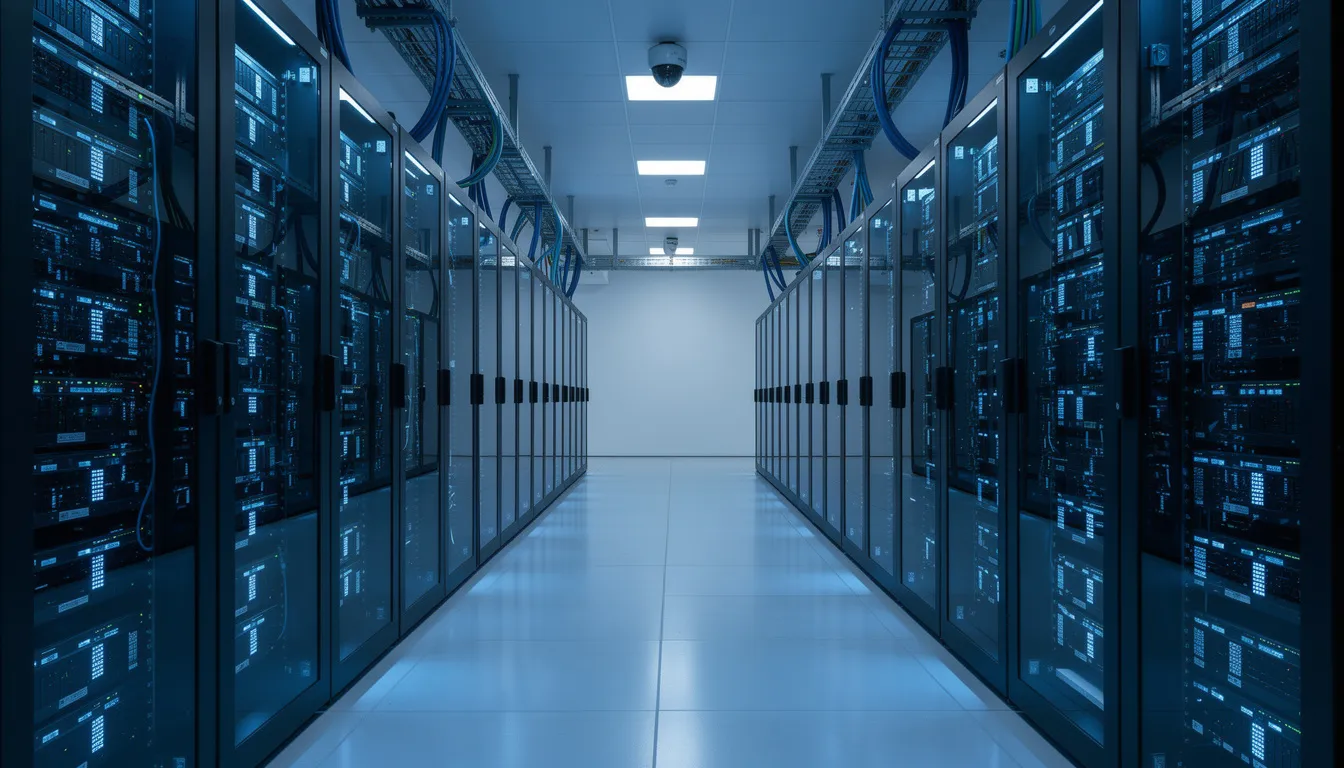
- Asset protection: Locked cabinets and racks for servers, industrial control systems (ICS), instruments, calibration equipment, and test fixtures.
- Monitoring and detection: Video surveillance (CCTV), motion sensors, door open/close sensors, and tamper-evident seals.
- Environmental controls for equipment: Controlled rooms or enclosures for temperature, humidity, dust, or vibration that physically protect sensitive devices and materials.
These controls are typically documented in plant security procedures, safety standards, and IT/OT security policies, and may be relevant for audits or regulatory inspections.
What physical controls do not include
Physical controls do not include:
- Administrative controls such as policies, SOPs, training, or shift schedules.
- Purely technical or logical controls such as passwords, firewalls, encryption, role-based access control (RBAC), or software configurations, even when applied to OT or MES systems.
Operational role in manufacturing and regulated environments
In regulated manufacturing environments, physical controls are often required or expected to protect:
- Production assets: Preventing unauthorized changes to machine settings, PLC panels, or MES terminals by restricting physical access.
- Quality-critical materials: Securing quarantine areas, controlled warehouses, or sample retention rooms to avoid mix-ups or unauthorized use.
- Data and systems: Limiting physical access to servers, network closets, and operator stations that host or connect to MES, historians, SCADA, or quality systems.
- Personnel safety: Using guards, lockout/tagout (LOTO) points, interlocks, and barriers to reduce exposure to mechanical, electrical, or chemical hazards.
During audits or inspections, organizations may need to demonstrate how physical controls support traceability, change control, protection of electronic records, and separation of duties across production and quality functions.
Common confusion
Physical controls vs. logical controls: Logical controls protect access through software or configuration (for example, user accounts on an MES terminal). Physical controls protect the hardware or space that hosts or exposes those systems (for example, a locked control room door or cabinet for that MES terminal).
Physical controls vs. administrative controls: Administrative controls define what should happen (policies, procedures, training). Physical controls are tangible mechanisms that enforce or support those rules in the real world.
Relation to cybersecurity and OT/IT systems
Within industrial cybersecurity programs, physical controls are one layer of defense for OT and IT assets. For example:
- Restricting access to network switches or controllers that connect production equipment and MES.
- Securing engineering workstations used for PLC or DCS configuration.
- Controlling visitor and contractor access to high-risk areas where sensitive production or quality data can be accessed.
These safeguards complement network segmentation, authentication, and other technical controls, forming a combined approach to protecting manufacturing operations.


Related Blog Articles



Related FAQ
Related Glossary
Ready to See How C-981 Can Accelerate Your Factory’s Digital Transformation?
