
product accountability
Product accountability commonly refers to clear responsibility for a product's quality, status, records, and traceability across its lifecycle.


Product accountability commonly refers to the defined responsibility for a product as it moves through manufacturing, inspection, storage, release, shipment, service, or other lifecycle stages. In regulated and quality-controlled operations, it usually includes being able to identify the product, know its current status, link it to the right records, and determine who is responsible for actions taken on it.
The term is broader than simple ownership. It can include accountability for conformance, handling, traceability, documentation, disposition decisions, and the accuracy of the data associated with the product. It does not necessarily mean one person is personally liable for every outcome. More often, it means responsibilities are assigned and evidence exists to show how the product was controlled.
What it typically includes
-
Identification of the product, lot, batch, serial number, or unit
-
Status control, such as in process, accepted, rejected, quarantined, released, or shipped
-
Traceability to materials, operations, inspections, and changes
-
Documented responsibility for handling, review, approval, or disposition
-
Records that show what happened to the product and when
In operational systems, product accountability may appear in MES, ERP, QMS, warehouse, or maintenance workflows as status transactions, signoffs, genealogy records, electronic history records, and handoffs between functions.
Common confusion
Product accountability is often confused with traceability. Traceability is the ability to follow the product’s history, application, or location. Product accountability is broader and includes who is responsible for controlling the product and its status.
It is also sometimes confused with product liability. Product liability is a legal concept about responsibility for harm or defects. Product accountability, in manufacturing operations, is an operational and quality control concept focused on assigned responsibility, records, and control of the product.
Manufacturing example
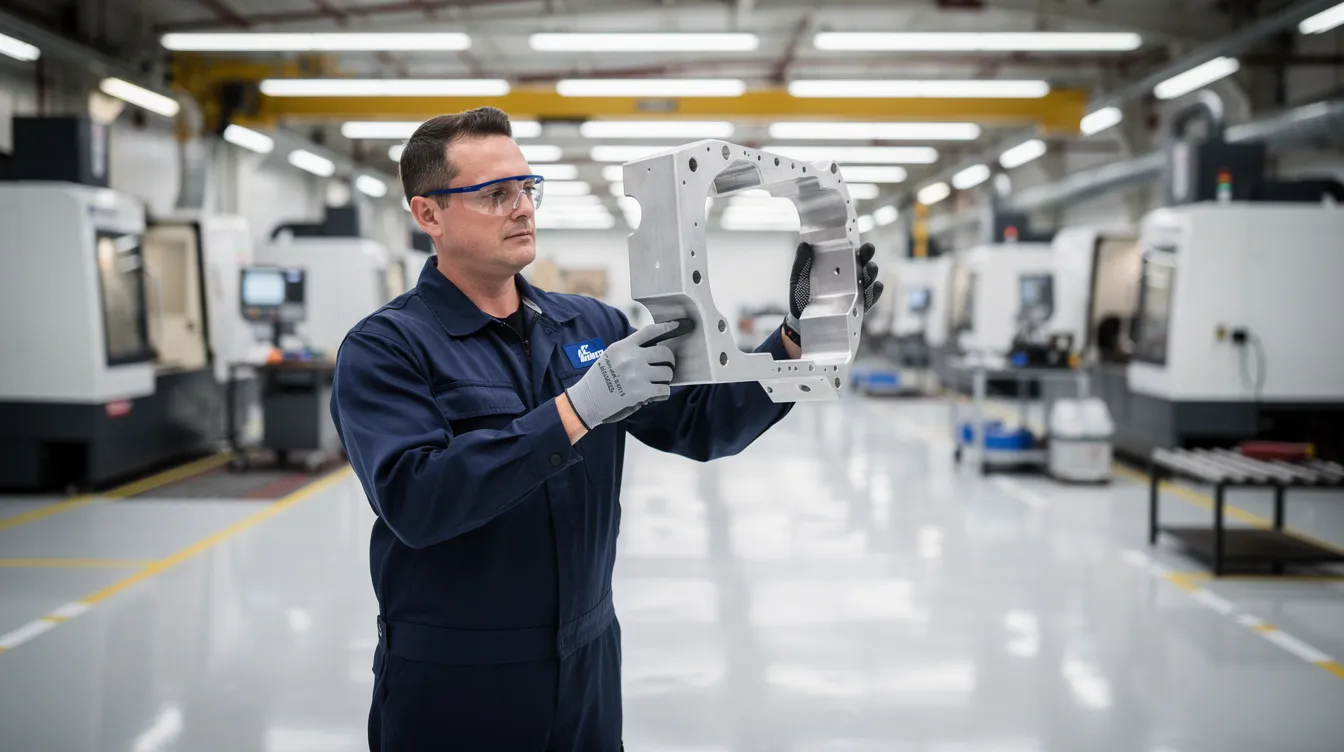
If a serialized aerospace component moves from machining to inspection to nonconformance review, product accountability means the organization can show the part’s identity, current status, inspection results, any hold or disposition decision, and which role or system recorded each step.


Related Blog Articles



Related FAQ
Related Glossary
Ready to See How C-981 Can Accelerate Your Factory’s Digital Transformation?
