
Aerospace manufacturing decisions often stall for one simple reason. The data needed to make them lives in too many places.
Supervisors chase status updates. Planners reconcile reports. Quality teams wait for confirmation. By the time clarity arrives, the window to act has already closed.
Why decision-making slows down in complex operations
Traditional manufacturing environments rely on disconnected systems and delayed reporting. Production data arrives after the fact. Quality metrics lag behind execution. Resource availability is inferred rather than confirmed.
Common decision delays include:
- Waiting for manual status updates
- Reconciling conflicting reports
- Chasing missing information across teams
- Making decisions based on yesterday’s data
In aerospace, those delays translate directly into missed delivery commitments and reactive firefighting.
How MES creates a single operational view
Manufacturing Execution Systems integrate execution data at the point of work. Production status, quality holds, material availability, and equipment usage are captured in real time.
Instead of assembling information manually, decision-makers access a unified, current view of operations.
From reporting to situational awareness
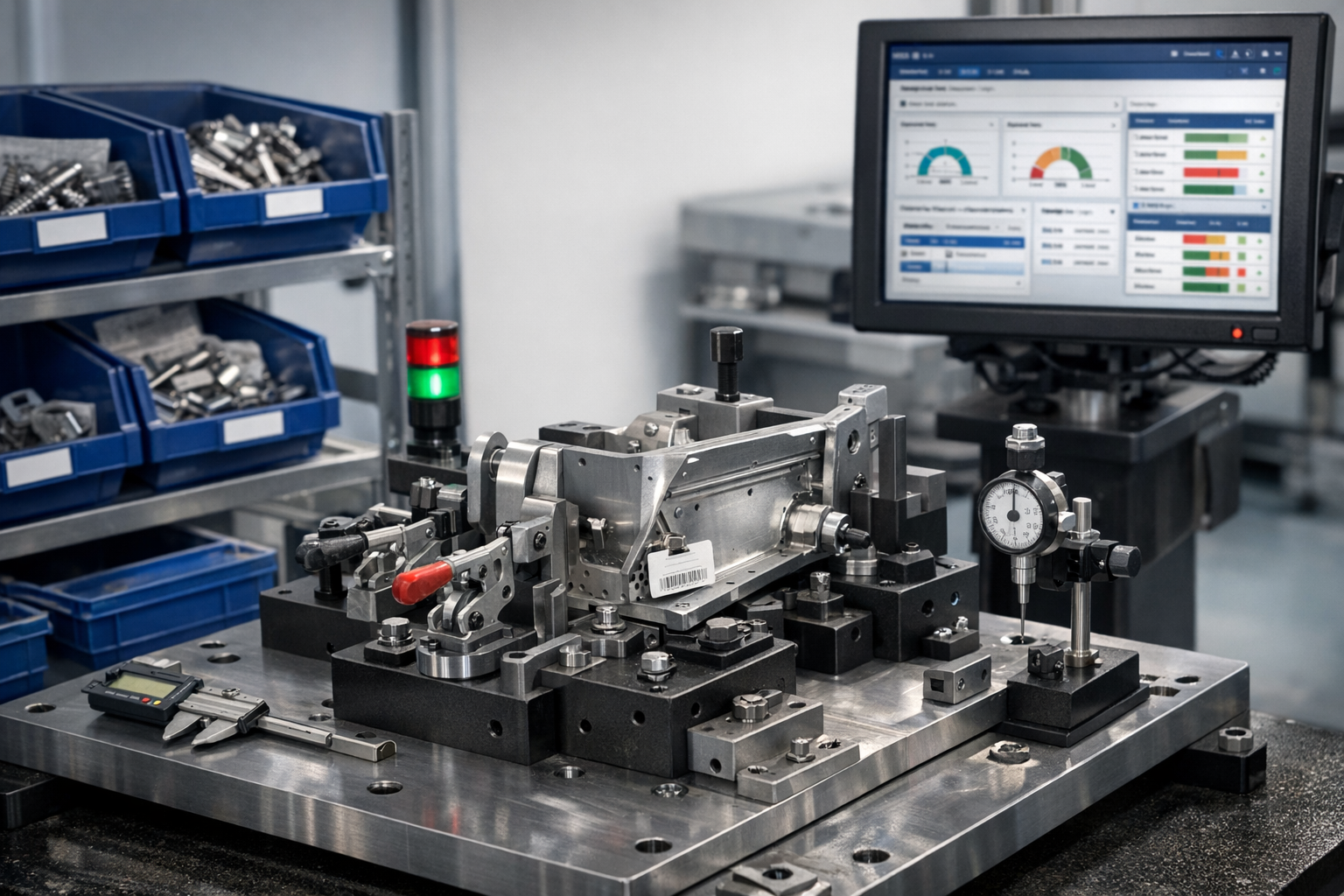
MES dashboards are not historical reports. They provide live situational awareness.
This includes:
- Which jobs are at risk right now
- Where bottlenecks are forming
- Which resources are constrained
- What actions will have the greatest impact
Decisions move from reactive to proactive.
Responding to change without disruption
Customer change requests, late material deliveries, and equipment issues are inevitable. MES allows teams to respond quickly because the consequences of each option are visible immediately.
Schedules can be adjusted, priorities rebalanced, and customers informed before problems escalate.
Decision speed as a competitive advantage
In high-compliance industries, speed must coexist with control. MES delivers both by grounding decisions in verified execution data.
Organizations that decide faster without sacrificing accuracy consistently outperform those still managing by spreadsheets and status meetings.