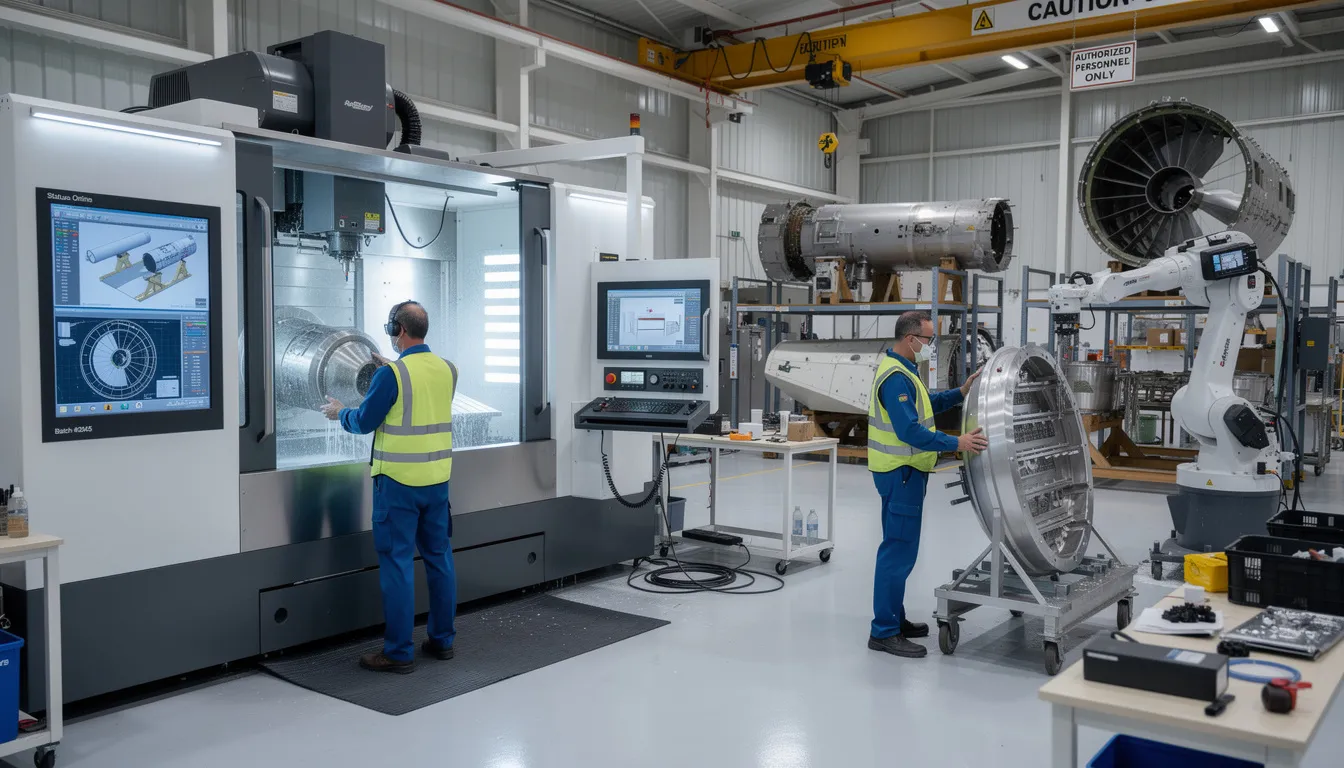
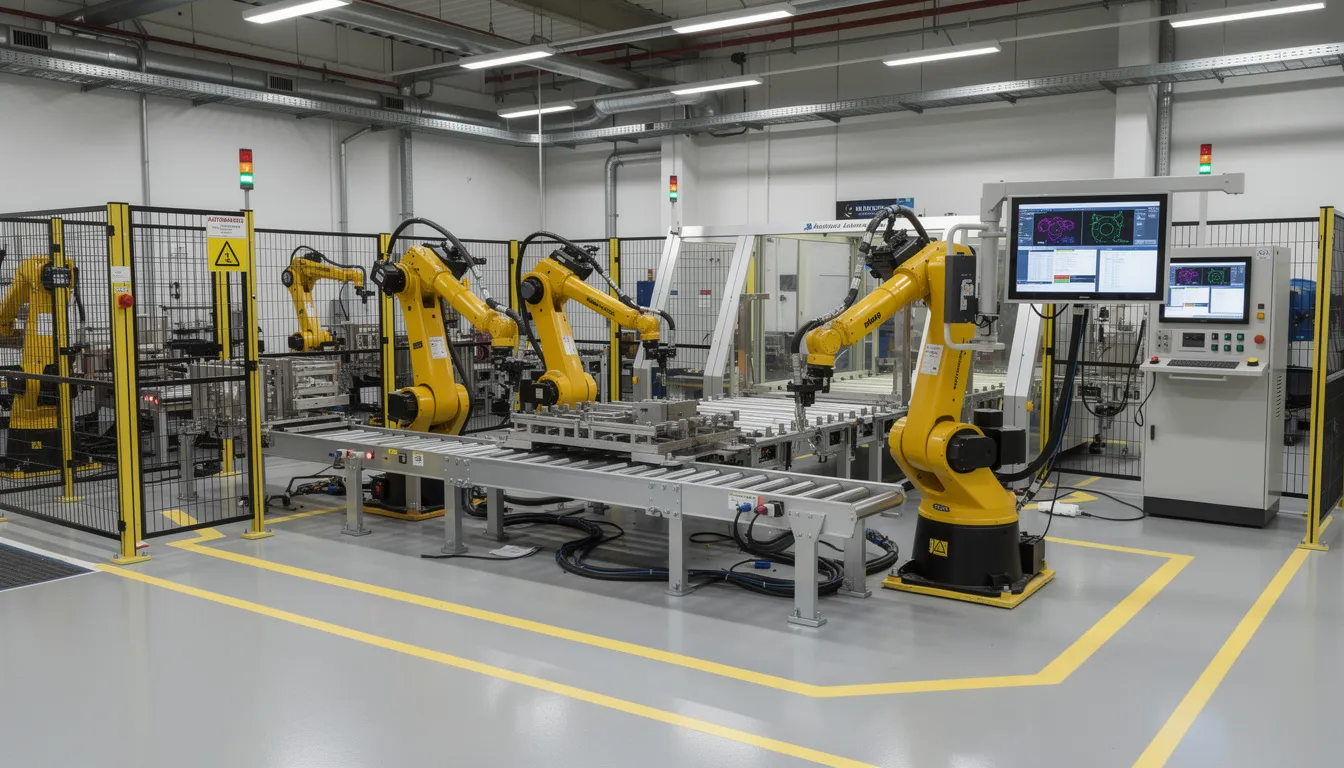
Yes. ISO 9001 implementation is routinely combined with AS9100 and other management system standards, but it must be done deliberately as an integrated management system, not as a simple overlay.
How ISO 9001 and AS9100 fit together
AS9100 is based on ISO 9001 and adds aerospace-specific requirements (for example, configuration management, risk, special processes, and more prescriptive documentation and verification expectations). In practice:
In practice, this connects to qms integration and evidence trails when teams need to turn the answer into repeatable execution habits.
- You implement a single quality management system (QMS) that satisfies ISO 9001 requirements.
- You then layer on the additional AS9100 clauses, controls, and records where they exceed or differ from ISO 9001.
- Your documented processes, risks, KPIs, and records are structured so you can trace which requirements (ISO 9001 vs AS9100) they satisfy.
Benefits of a combined implementation
- Single set of processes: One core QMS, audit program, and document set instead of separate systems.
- Coherent evidence trail: Shared records for management review, internal audit, training, NCR/CAPA, and document control reduce duplication.
- Scalability: Easier to add new standards (for example, ISO 14001 or ISO 45001) by mapping them into the same framework.
Key constraints and tradeoffs
- AS9100 is not just “ISO 9001 plus a logo”: It has additional aerospace and regulatory expectations that require design, production, and supply-chain disciplines beyond a basic ISO 9001 implementation.
- Higher process rigor: Combining standards typically drives you toward the strictest requirement. This can add overhead for non-aerospace products if you apply everything uniformly.
- Partitioning by scope: If only some sites, product lines, or customers require AS9100, you must define scope carefully and maintain clear segregation in procedures, records, and evidence.
Brownfield and system coexistence considerations
In regulated, long-lifecycle environments, a combined ISO 9001/AS9100 implementation almost always has to coexist with legacy systems and tooling. Typical realities:
- Existing QMS, MES, ERP, PLM, and QMS tools: You rarely replace them wholesale. Instead, you map ISO 9001 and AS9100 requirements onto current workflows, then close gaps with targeted changes, add-ons, or work instructions.
- Integration and validation burden: When you introduce new digital tools (for example, aerospace MES, digital travelers, or electronic DHR-like records), you must plan for data migration, interface validation, and change control to maintain traceability.
- Limited downtime: Implementation often proceeds area-by-area while old and new processes run in parallel. Your QMS must document how records from both environments satisfy requirements during transition.
- Evidence across multiple systems: Audit trails may span paper, legacy databases, and new platforms. You need a clear index or matrix that shows where required records “live” and how they are controlled.
Practical steps to combine ISO 9001 and AS9100
- Start with a requirement matrix: Map ISO 9001 and AS9100 clauses to your current processes, forms, and systems. Highlight where AS9100 adds new expectations.
- Define one process owner per process: Avoid having separate “ISO 9001” and “AS9100” procedures for the same activity. Use one process, with additional aerospace controls explicitly identified.
- Align document control and records: Ensure numbering, revision control, and retention rules allow you to show compliance to both standards without duplicating documents.
- Unify NCR and CAPA workflows: Run a single nonconformance and corrective action process that meets the more stringent AS9100 requirements, and use categorization or fields to differentiate customers or programs if needed.
- Plan internal audits as integrated audits: Audit against the combined requirement set, but tag findings to specific clauses to keep traceability for each standard.
Why “full replacement” QMS approaches often fail
Replacing all legacy systems and processes with a brand-new “AS9100-ready” QMS platform in one step is high risk in aerospace and other regulated, long-lifecycle environments because:
- Qualification and validation of new systems is expensive and time-consuming.
- Downtime windows are limited, and cutover failures directly affect deliveries.
- Complex integrations to ERP, PLM, MES, and test systems are hard to replicate cleanly.
- Long product and contract lifecycles require access to legacy records for many years.
Most organizations instead incrementally integrate ISO 9001 and AS9100 into existing systems, tightening processes and controls over time rather than starting from scratch.
In summary, combining ISO 9001 implementation with AS9100 is not only possible but typical in aerospace supply chains. The value comes from a single integrated QMS, but it requires careful scoping, mapping to existing systems, strict document and change control, and realistic assumptions about what can be replaced versus what must be integrated.