Clauses 4 to 10 of ISO 9001:2015 are intentionally structured around the Plan-Do-Check-Act (PDCA) cycle. The fit is not one-to-one for every subclause, but the overall alignment is clear and useful when designing or auditing a quality management system in industrial and regulated environments.
The most widely accepted mapping is:
In practice, this connects to the ISO 9001 quality baseline when teams need to turn the answer into repeatable execution habits.
This mapping reflects the lifecycle of establishing context and requirements, planning and resourcing processes, executing operations, measuring performance, and driving corrective action and improvement.
In practice, these clauses drive how you design processes that sit across QMS, MES, ERP, PLM, and other systems, and how you plan for data integrity, evidence, and configuration control before changing anything on the shop floor.
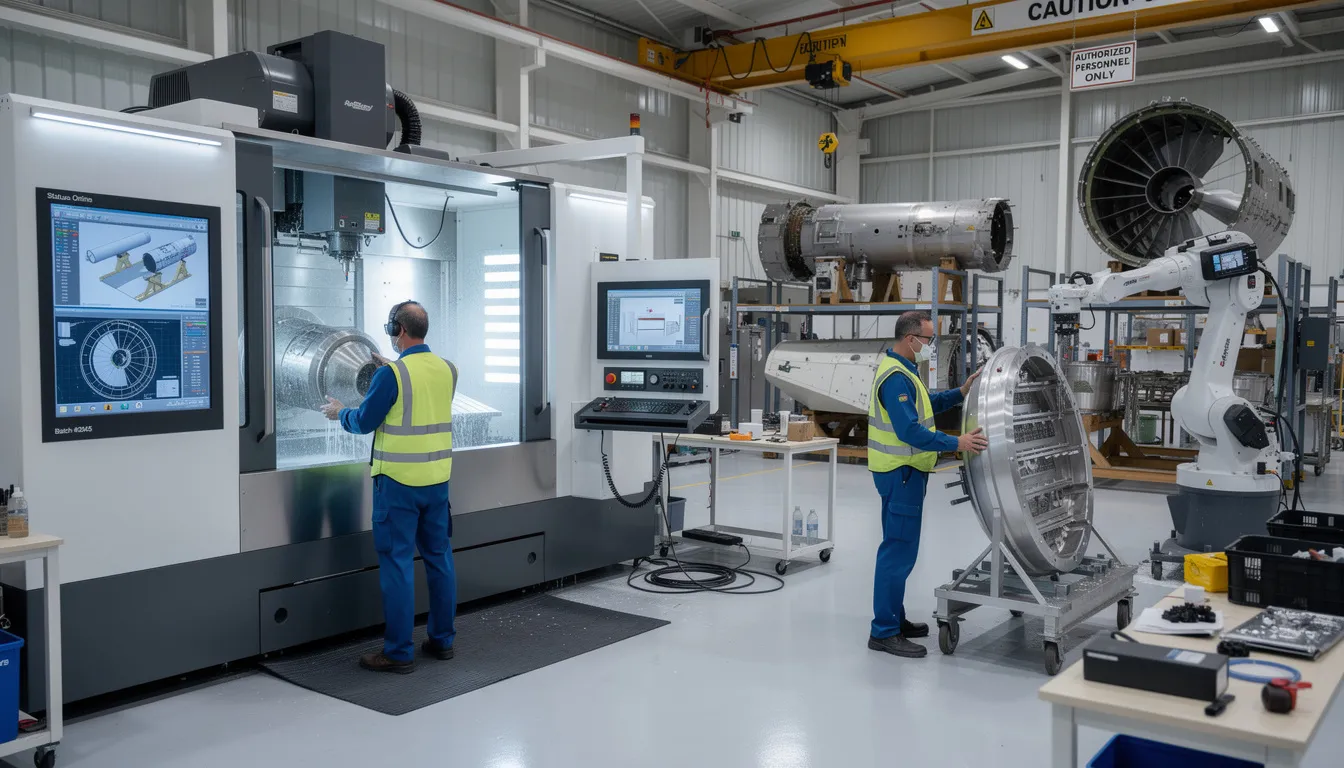
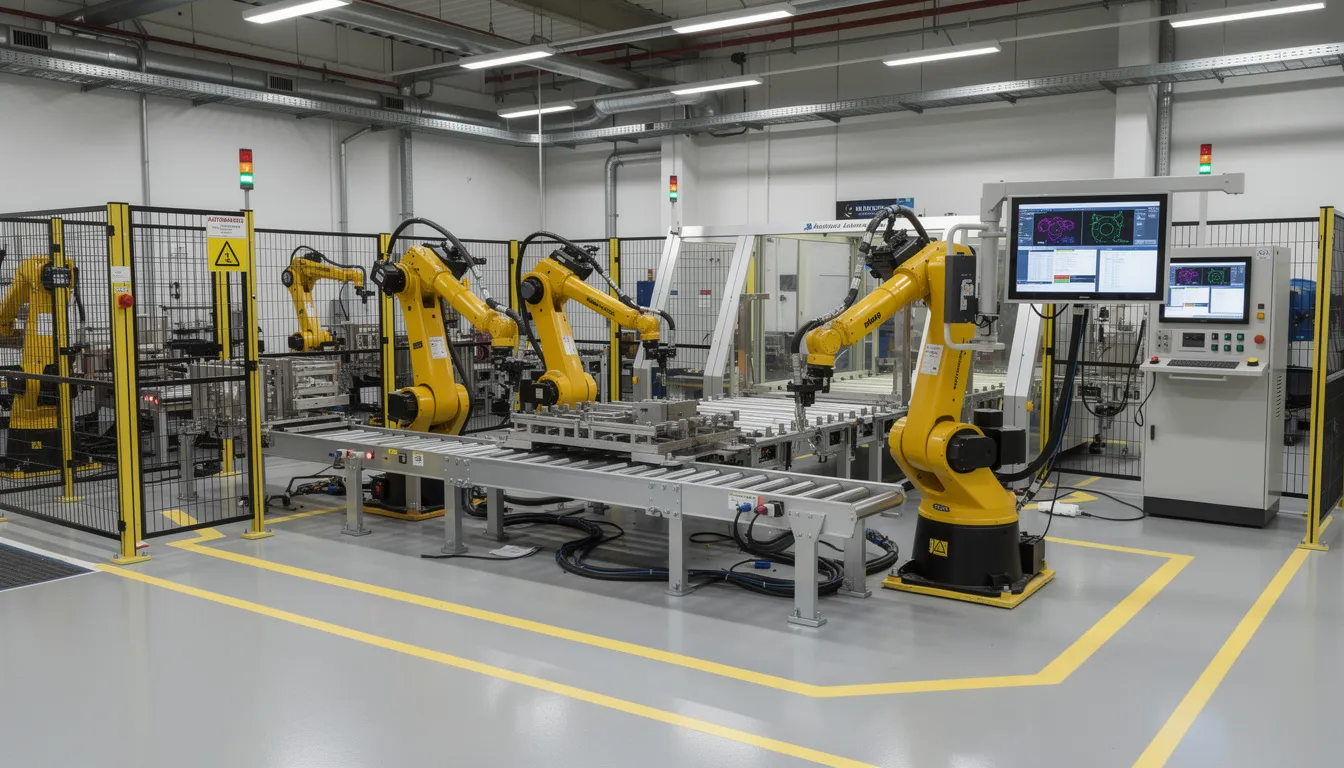
This is where plans interact with reality: work instructions, travelers, inspection plans, supplier controls, and NCR workflows are executed across existing equipment and IT/OT stacks. In regulated aerospace and similar sectors, Clause 8 often spans multiple systems and manual controls that must be coordinated instead of replaced outright due to validation and downtime risk.
Here, organizations verify that the “Do” activities are delivering what was planned. This typically includes KPI monitoring (such as scrap, rework, and on-time delivery), process performance analysis, customer feedback, and internal audits. In brownfield environments, the main challenge is aggregating consistent, trustworthy data from multiple systems to make this checking meaningful and auditable.
This is where findings from audits, metrics, and operations drive corrective actions, CAPA, and broader improvement projects. In highly regulated manufacturing, Clause 10 actions must respect change control, validation, and configuration management. Large-scale system replacements here often fail or stall because the Act phase becomes unmanageable if you attempt to change too much at once across qualified equipment and interfaces.
Understanding the PDCA alignment helps you:
This mapping does not guarantee any specific certification outcome or audit result, but it provides a practical backbone for organizing and improving a quality management system in complex industrial operations.


Whether you're managing 1 site or 100, Connect 981 adapts to your environment and scales with your needs—without the complexity of traditional systems.



Whether you're managing 1 site or 100, C-981 adapts to your environment and scales with your needs—without the complexity of traditional systems.