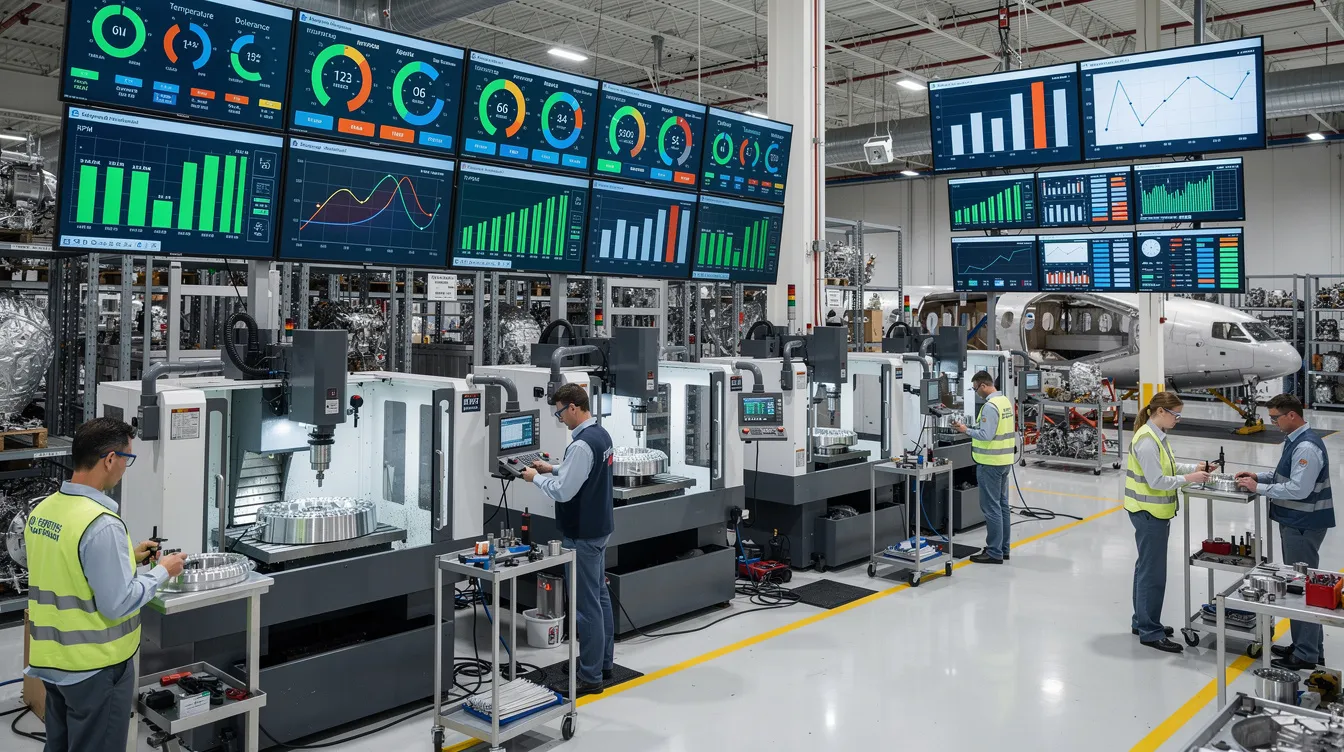
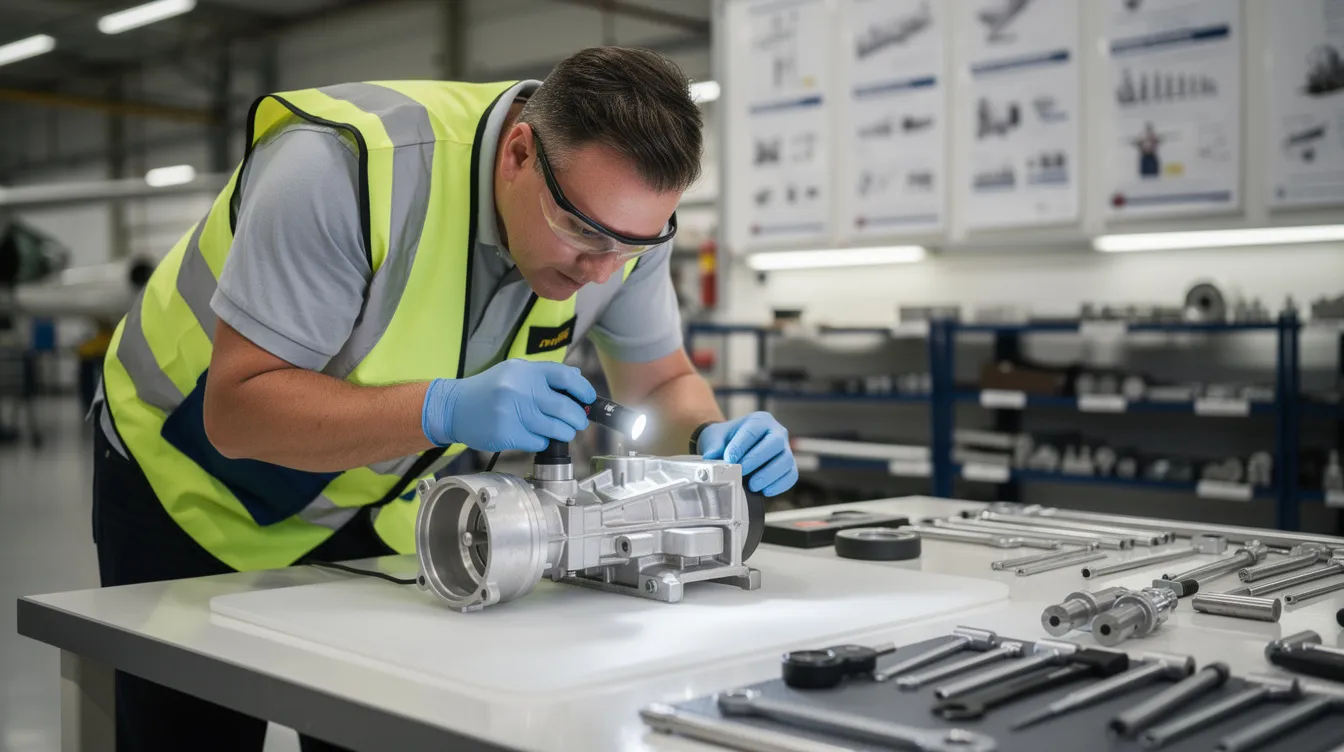
Captured tribal knowledge stays aligned with engineering changes only when it is treated as controlled operational content, not as a one-time documentation exercise. The practical answer is to connect knowledge capture to engineering change control, document control, training updates, and shopfloor execution systems. Without ownership, versioning, review triggers, and approval workflow, captured knowledge will drift from the released process.
The common failure mode is predictable: operators share useful workarounds, setup tips, inspection cues, or maintenance experience, but that content remains outside the formal change process. When the drawing, routing, bill of materials, tooling, inspection plan, or acceptance criteria changes, the tribal knowledge repository does not change with it. At that point, the system may preserve experience, but it no longer preserves current standard work.
Not every note from an experienced operator needs the same level of control. The risk depends on whether the knowledge affects product conformity, safety-related process controls, inspection decisions, material handling, equipment setup, rework, or customer-specific requirements.
In regulated manufacturing, knowledge that influences how work is performed should usually be tied to controlled artifacts such as:
If the knowledge is only stored in a wiki, slide deck, shared drive, or video library with no relationship to those artifacts, alignment depends on manual discipline. That can work for low-risk content, but it is weak for controlled production knowledge.
A workable approach usually includes several controls:
These controls do not guarantee audit outcomes or process compliance. They create traceability and reduce the chance that obsolete know-how remains in active use.
Most plants do not have a clean single-system environment. Engineering changes may originate in PLM, routings may live in ERP, execution may occur in MES, training may be tracked in an LMS or QMS, and informal knowledge may sit in a separate repository. Alignment depends on integration quality and process discipline across those systems.
Full replacement of legacy platforms is often unrealistic in aerospace-grade and similarly regulated environments. Qualification burden, validation cost, downtime risk, integration complexity, traceability obligations, and long equipment lifecycles usually make incremental integration more practical than a wholesale system swap.
Common integration patterns include linking knowledge items to part and operation identifiers, using PLM or document control change events to trigger review tasks, embedding approved guidance in MES work instructions, and requiring operator acknowledgement when controlled content changes. The specific design depends on master data quality, naming conventions, system APIs, validation requirements, and how much manual review the organization can reliably sustain.
The main risks are not technical alone. Alignment usually fails when captured knowledge has no owner, when part and operation references are inconsistent, when engineering changes are approved without downstream content review, or when operators can access obsolete instructions alongside current ones.
Another failure mode is over-controlling everything. If every informal tip requires the same approval path as a released manufacturing instruction, people may stop contributing. A tiered model is usually more sustainable: low-risk observations can be collected quickly, while process-impacting guidance is routed through formal review before use in production.
If a piece of tribal knowledge changes how work is performed, inspected, recorded, or accepted, it should be connected to change control. If it is merely background context, it may not need full approval, but it still needs ownership and periodic review. The boundary should be defined intentionally, not left to individual judgment on the shop floor.


Whether you're managing 1 site or 100, Connect 981 adapts to your environment and scales with your needs—without the complexity of traditional systems.



Whether you're managing 1 site or 100, C-981 adapts to your environment and scales with your needs—without the complexity of traditional systems.