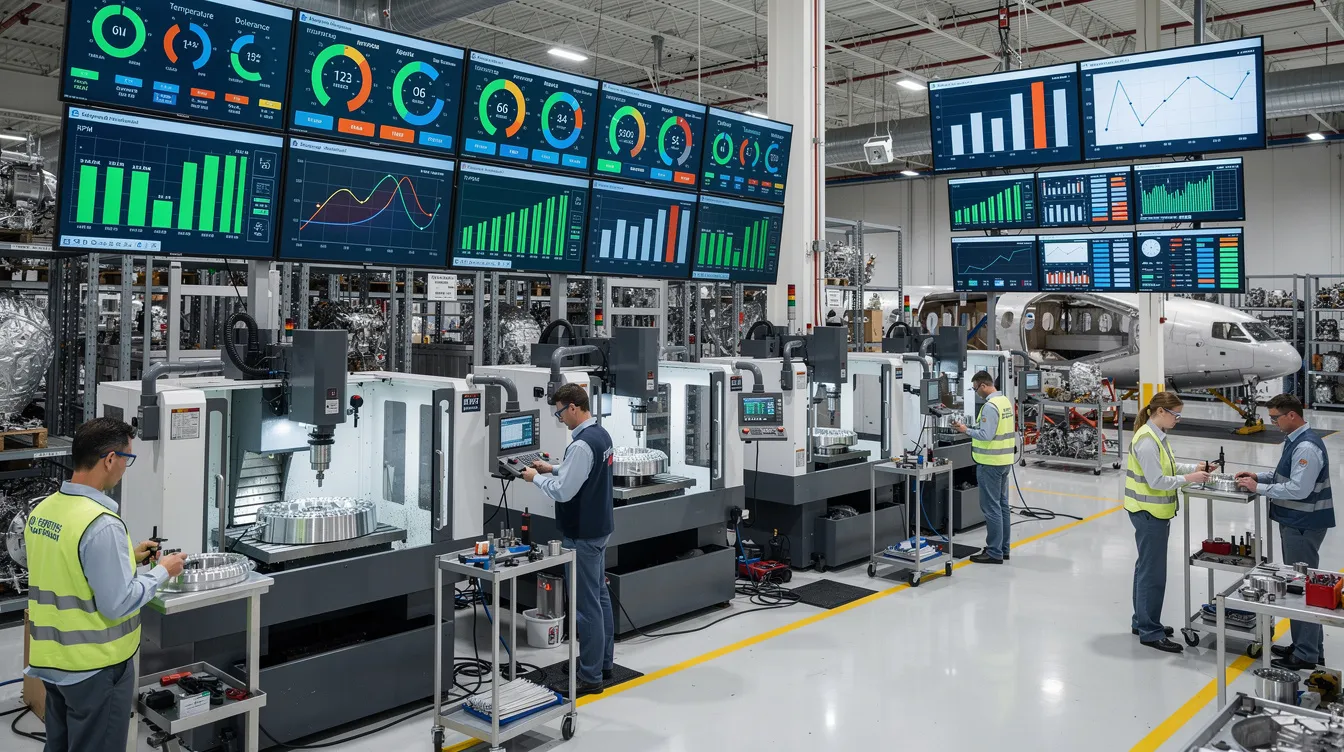
There is no single, authoritative definition of the “5 D’s of digital transformation.” Different consulting firms and software vendors use different 5-D frameworks. Common versions include:
Some frameworks swap terms (for example, “Digitize, Digitalize, Differentiate”), but these are marketing variations on similar lifecycle stages rather than different underlying concepts.
In regulated, long-lifecycle environments, the value of any 5-D framework is as a communication tool, not a guarantee of outcomes. What matters is making explicit how each stage addresses realities such as:
Because of the qualification burden, integration complexity, and downtime risk, fully replacing core systems in a single “deploy” step often fails in aerospace-grade or similar contexts. A practical 5-D approach usually treats deployment as phased coexistence, with side-by-side operation, progressive cutovers, and clear rollback plans.
If your organization wants to use the “5 D’s” language, you can adopt or adapt a simple, explicit version such as:
The key is to document what each stage means in your environment, where decisions are made, who is accountable, and how artifacts (requirements, risk assessments, test evidence, release records) are generated and maintained.
In summary, the “5 D’s” are a flexible planning shorthand, not a standard or guarantee. Define them in a way that fits your plant realities and regulated context, and use them consistently across programs.


Whether you're managing 1 site or 100, Connect 981 adapts to your environment and scales with your needs—without the complexity of traditional systems.



Whether you're managing 1 site or 100, C-981 adapts to your environment and scales with your needs—without the complexity of traditional systems.