Industry 4.0 architecture is a layered approach to how machines, control systems, data platforms, and enterprise applications are connected so that production data can be collected, contextualized, analyzed, and used to drive decisions and automation. It is not a single product or standard. It is the target structure of your OT/IT landscape that enables modern capabilities like real-time visibility, predictive maintenance, advanced traceability, and closed-loop quality.
Typical layers in an Industry 4.0 architecture
Names differ by vendor and plant, but most architectures include the following functional layers:
In practice, this connects to data mapping and system interoperability when teams need to turn the answer into repeatable execution habits.
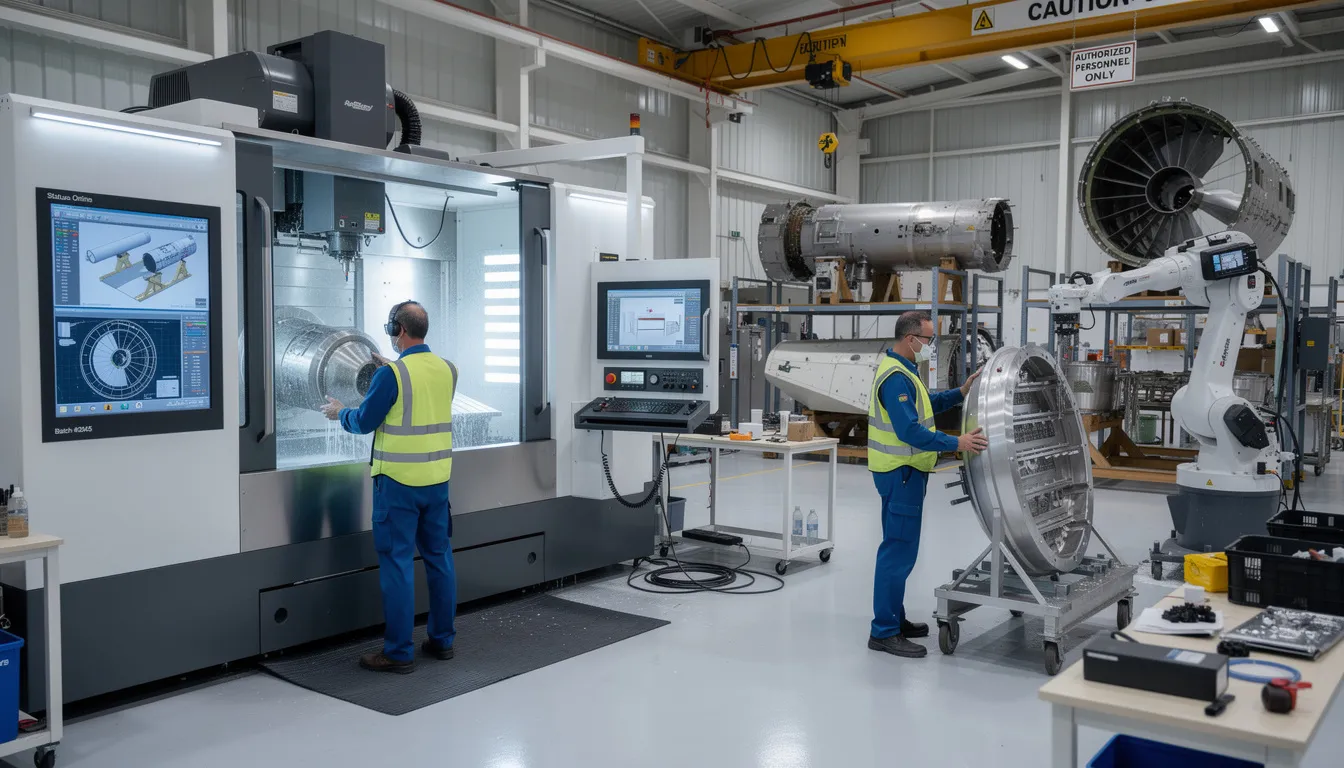
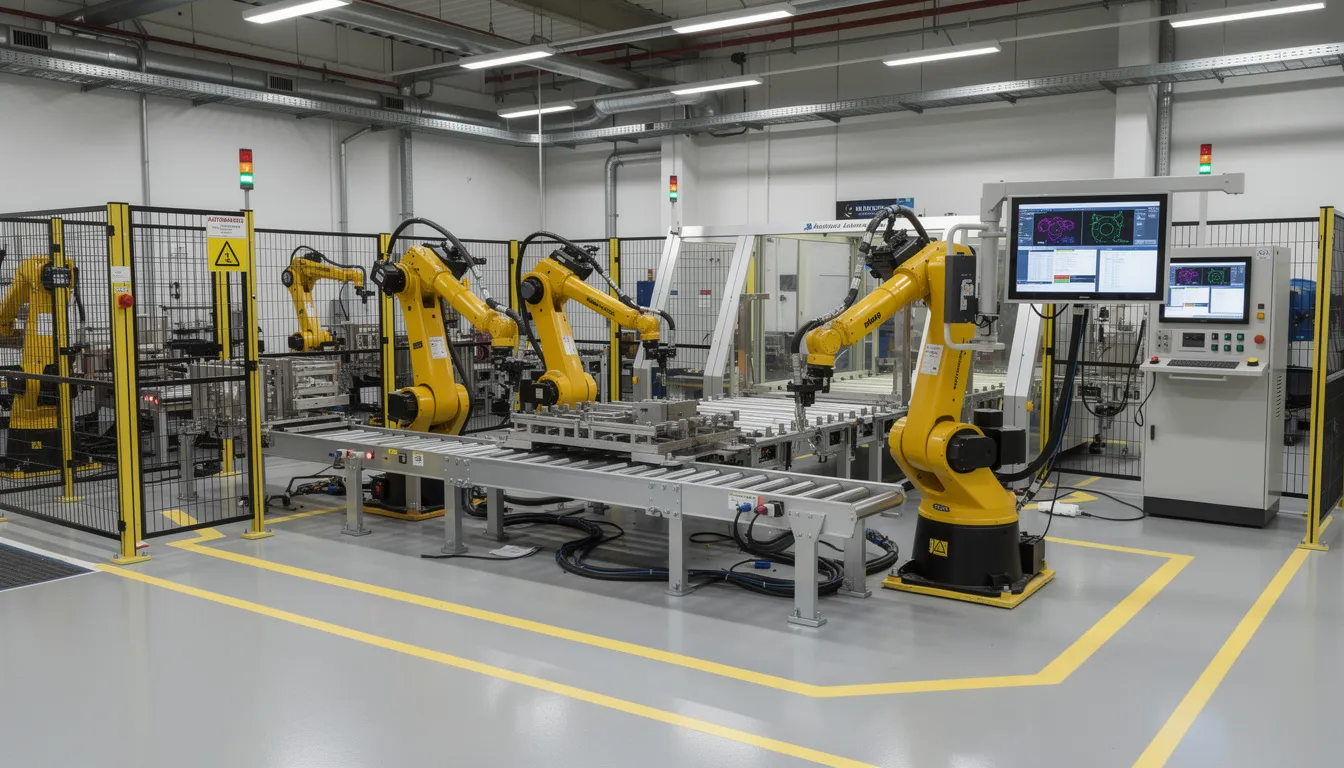
- Physical & field level: Machines, robots, sensors, actuators, tooling, test equipment, gauges, and manual stations. In regulated plants this often includes long-lived qualified equipment that cannot be casually swapped or significantly modified.
- Control & automation level: PLCs, CNC controllers, DCS, SCADA, and safety systems. These execute real-time control and are typically validated and governed by strict change control in pharma, aerospace, and medical devices.
- Operations management level: MES, LIMS, WMS, CMMS/EAM, SPC systems, historian, and sometimes QMS modules operating near the shop floor. This is where execution logic, genealogy, electronic batch records, and routing logic often live.
- Enterprise applications level: ERP, PLM, QMS, APS, and SCM systems that manage orders, bills of material, design data, quality records, and planning. Changes here can impact traceability, financials, and regulatory evidence.
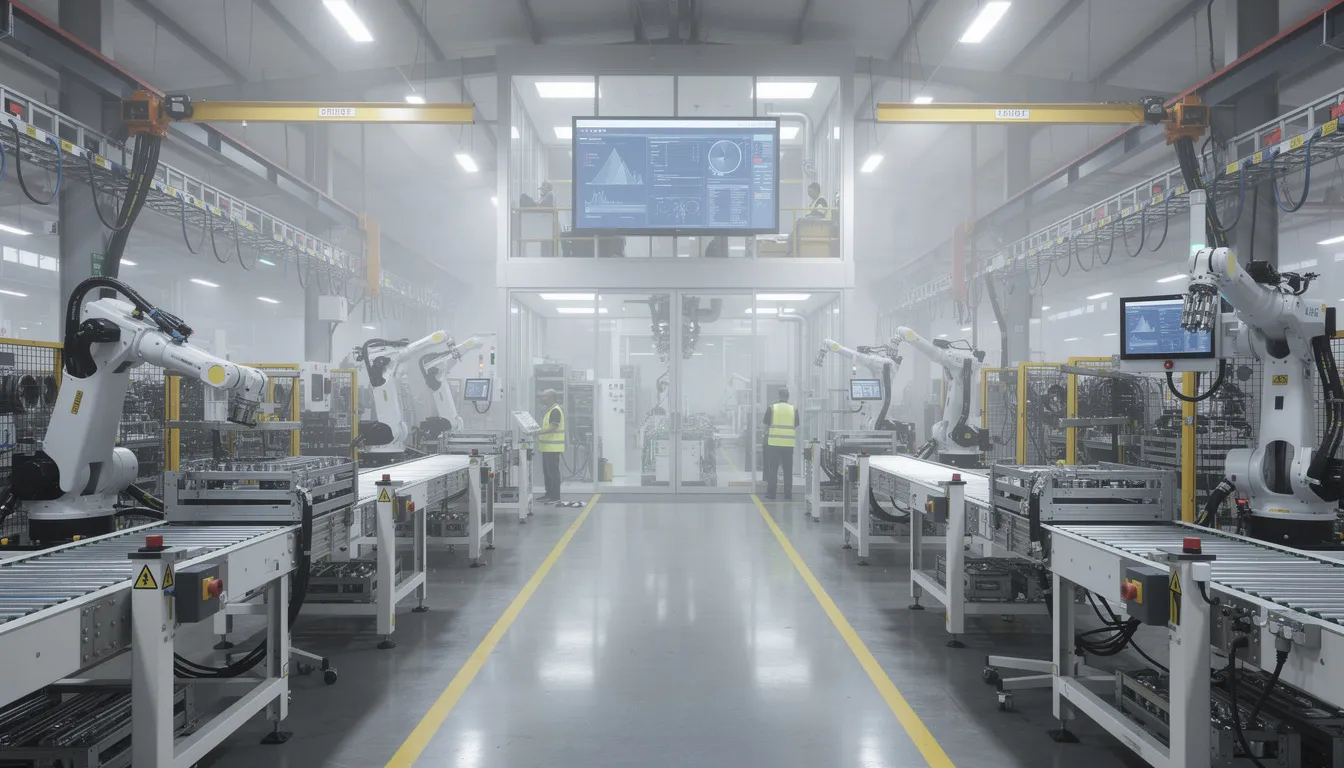
- Data & analytics level: Data lakes, data warehouses, historian replicas, IIoT platforms, analytics engines, dashboards, and AI/ML pipelines. This layer aggregates and contextualizes data from multiple systems for monitoring, optimization, and engineering studies.
- Access & interaction level: Web portals, operator UIs, mobile apps, digital work instructions, engineering dashboards, and APIs that users and external systems rely on.
An Industry 4.0 architecture defines how these layers interconnect, what data moves between them, and through which interfaces and protocols.
Key architectural principles
Most Industry 4.0 architectures in regulated manufacturing aim for:
- Standardized connectivity: Use of industrial protocols and integration standards (for example, OPC UA, MQTT, REST APIs, message queues) instead of one-off point-to-point interfaces. In brownfield plants, gateways or edge devices often bridge legacy protocols.
- Separation of concerns: Keeping real-time control separate from analytics and experimentation, to avoid jeopardizing safety, validation status, or uptime.
- Data contextualization: Associating raw signals with products, batches, operations, materials, tooling, and workers so that data is usable for quality, compliance, and engineering, not just for monitoring.
- Traceability and auditability: Ensuring that data flows and transformations can be traced, versioned, and justified, which is essential when data is used as evidence in audits or investigations.
- Security and segmentation: Network zoning and role-based access control that align OT and IT cybersecurity with regulatory expectations, while still allowing needed data sharing.
- Extensibility: The ability to add new equipment, analytics use cases, or external partners without a major redesign every time.
Brownfield reality: coexistence, not wholesale replacement
In most regulated and high-criticality environments, Industry 4.0 architecture is an overlay and re-organization of existing systems, not a greenfield replacement. Full rip-and-replace strategies frequently fail or stall because of:
- Qualification and validation burden: Replacing MES, ERP, or major automation platforms can trigger extensive validation and requalification, including re-running PQ/OQ, updating procedures, and re-training operators.
- Downtime risk: Long outages to switch core systems are often unacceptable when there are tight delivery commitments, limited alternate capacity, or contractual service levels.
- Integration complexity: Legacy MES/ERP/QMS stacks often have many hidden integrations built over years. Recreating this ecosystem reliably is non-trivial and high risk.
- Traceability and change control: Abruptly replacing systems that store genealogy or quality records introduces risk to continuity of evidence and to the ability to reconstruct product history.
As a result, many plants implement Industry 4.0 architecture as a series of incremental steps:
- Standardizing data collection at the edge and from existing PLCs or testers.
- Layering a data platform that mirrors and correlates data from MES, ERP, and QMS without immediately changing those systems.
- Gradually rationalizing interfaces and deprecating brittle point-to-point integrations.
- Introducing new capabilities (for example, digital work instructions or IIoT dashboards) that consume the standardized data layer.
What an Industry 4.0 architecture is not
There are several common misunderstandings:
- Not a single vendor stack: No single vendor delivers “Industry 4.0 architecture” in a box. Most plants run multi-vendor landscapes that must coexist for many years.
- Not automatically compliant: A modern architecture can support compliance, but it does not guarantee it. Validation, procedures, training, and governance are still essential.
- Not purely cloud: In many regulated or safety-critical operations, a hybrid of on-premise OT, on-premise or private-cloud data stores, and selectively used public cloud services is more realistic.
- Not a fixed blueprint: The exact architecture depends on your installed base, process criticality, regulatory requirements, network constraints, and corporate IT standards.
Constraints and dependencies
The value and feasibility of an Industry 4.0 architecture depend heavily on:
- Existing system maturity: Plants with structured MES and historian data can advance faster than those relying on paper and isolated PLCs.
- Data quality and modeling: If product, process, and equipment master data are inconsistent, analytics and automation layers will be fragile.
- Integration capability: Availability of APIs, interface documentation, and vendor cooperation significantly affects effort and risk.
- Validation and change control capacity: Regulated sites must pace changes to match the capacity of QA, validation, and operations to absorb them.
- Network and cybersecurity posture: Zoning, remote access, and patching policies can constrain which technologies and patterns are acceptable.
In practice, defining an Industry 4.0 architecture is less about drawing a perfect reference diagram and more about agreeing on a realistic target state and migration path that respects these constraints.