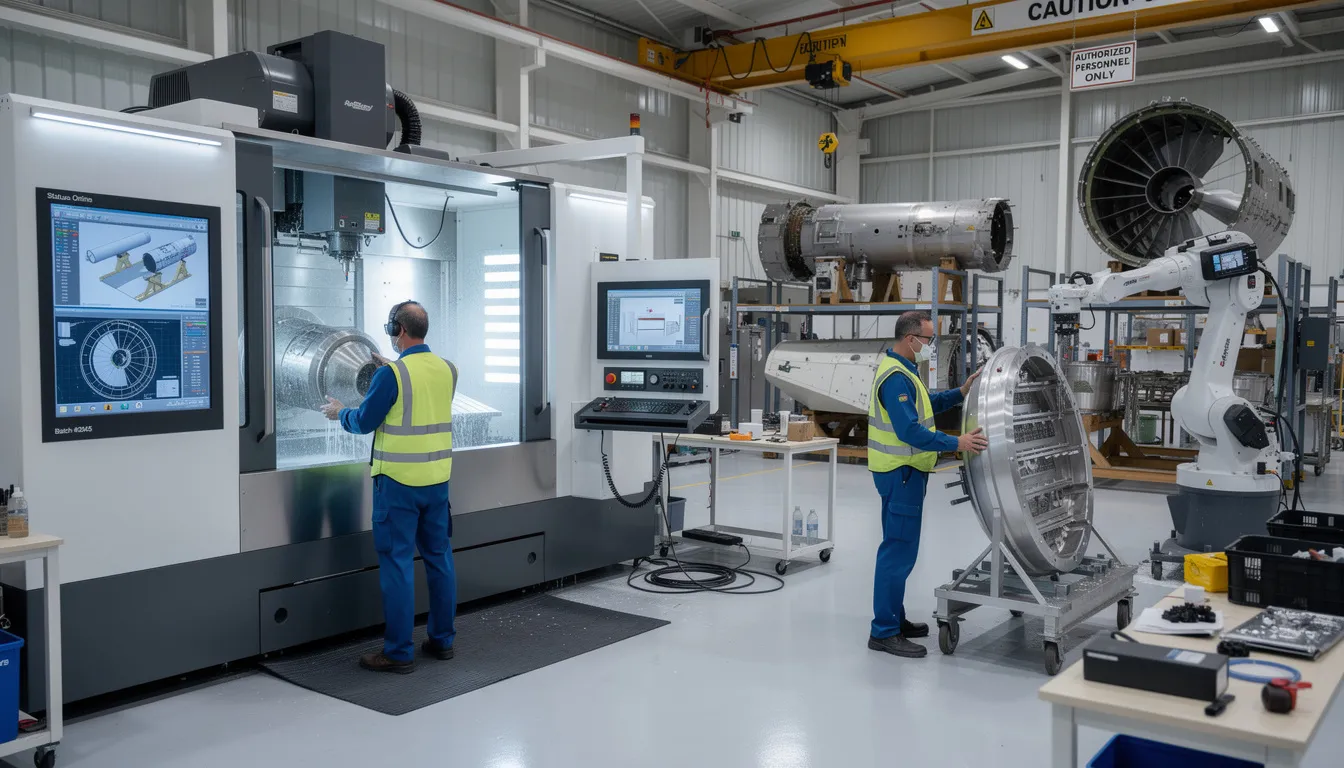
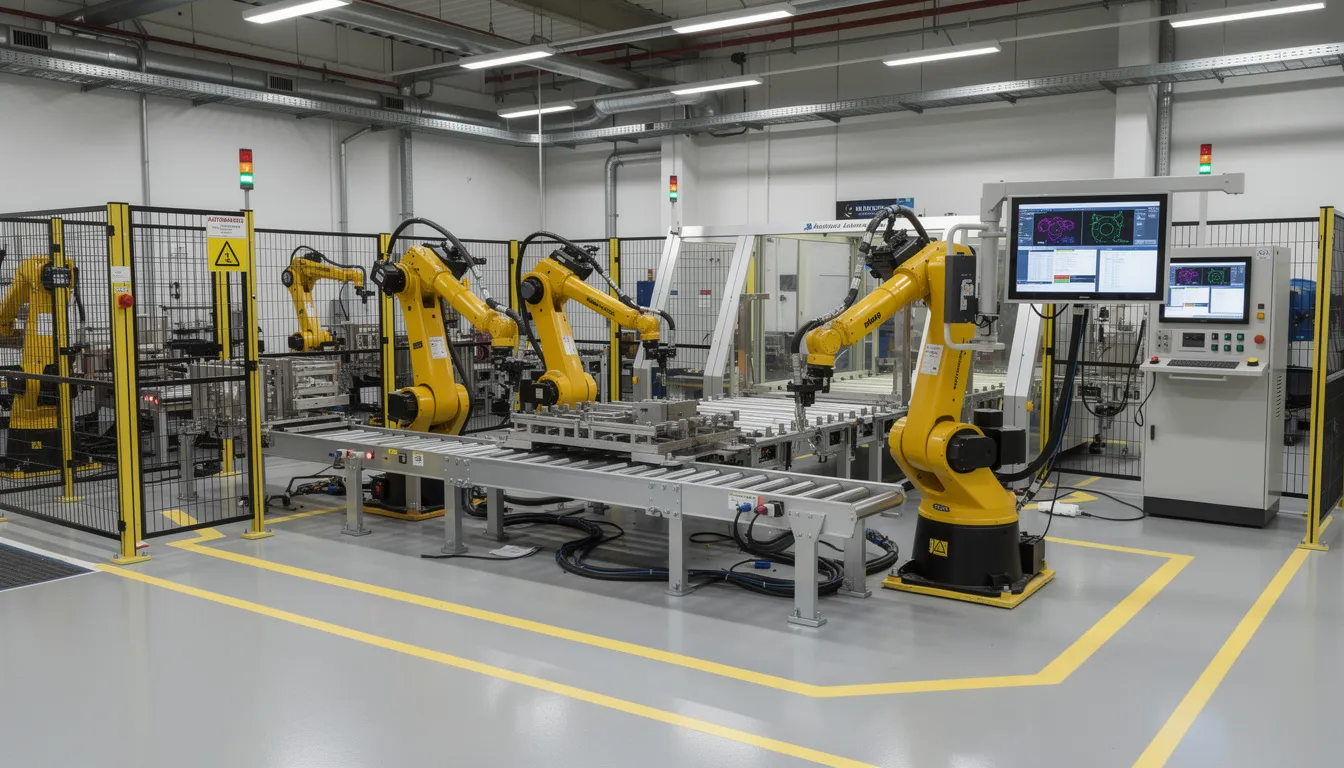
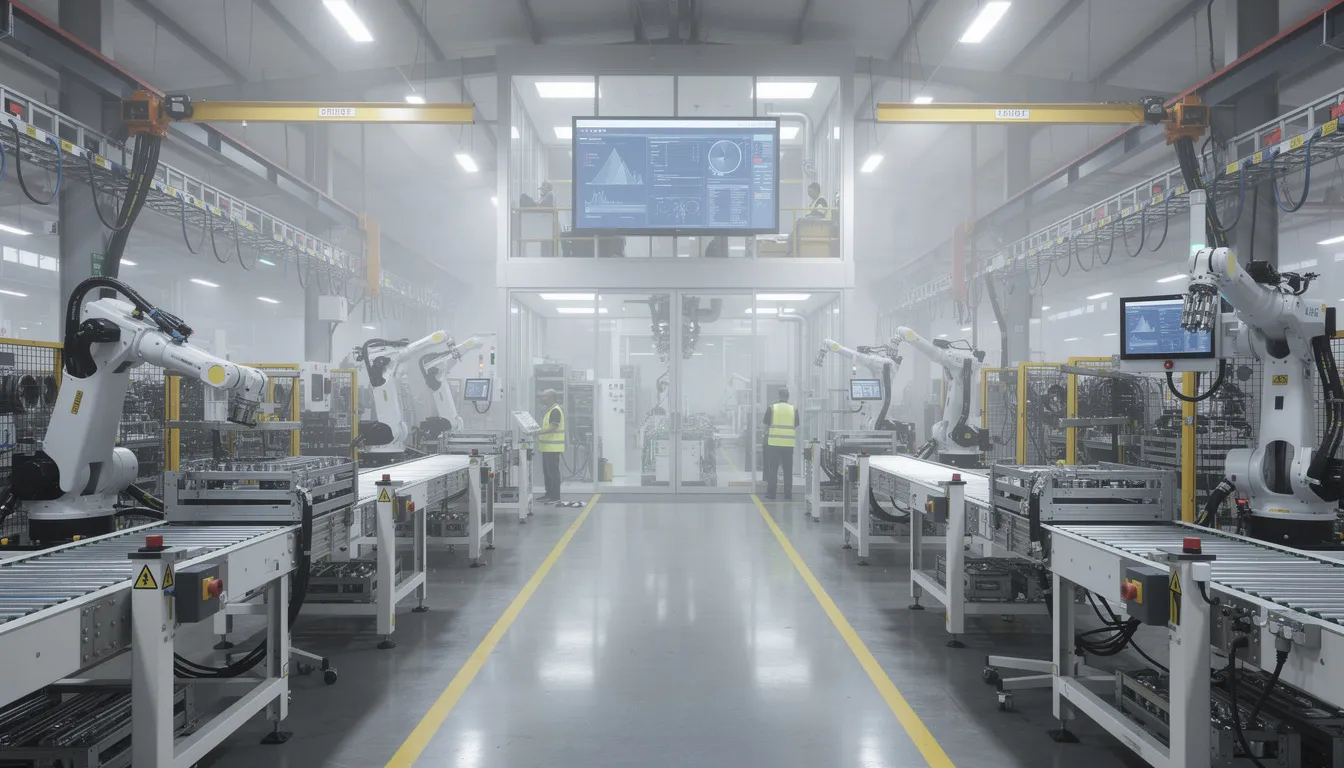
In most regulated manufacturing environments, **rework** is the set of actions taken to bring a nonconforming product back into full conformance with its original specifications using the same, already-approved manufacturing processes or a pre-validated variant. The end state of reworked product is expected to be indistinguishable from conforming product produced right-first-time, including form, fit, function, performance, and documentation. By contrast, **repair** is used when you restore usability or functionality without fully bringing the product back to its original specification or design intent. Repaired product often has limitations, concessions, or deviations documented, and may carry different part numbers, configurations, or usage restrictions.
From a quality system perspective, rework is typically controlled by standard work instructions or rework instructions that are part of the validated process set. Repair usually requires engineering assessment, a deviation or concession, and sometimes customer or regulatory authority approval because you are accepting a controlled, documented difference from the baseline design. This conceptual difference is broadly consistent across aerospace, medical devices, pharma, and other regulated industries, but exact definitions can vary by standard, customer contract, and local procedure.
In practice, this connects to scrap and rework reduction when teams need to turn the answer into repeatable execution habits.
Rework assumes that the nonconformance can be eliminated by repeating or extending defined process steps, such as re-cleaning, re-machining within tolerance, re-soldering, or repeating a heat-treatment cycle that has already been validated for that part. The key characteristic is that the product, after rework, complies with all applicable drawings, specifications, and acceptance criteria with no permanent deviation. Because rework relies on approved processes, it is usually covered by pre-existing work instructions, standard routings, and validation evidence.
In brownfield environments with mixed systems, rework is often tracked in MES or shop-floor systems as special operations on the same part number and revision, with confirmation in the QMS that the nonconformance has been closed. However, poor integration between MES, ERP, and QMS can lead to weak traceability for rework operations, especially when rework is done offline or on legacy equipment. Plants with low process maturity sometimes treat any fix as rework, which blurs the line with repair and can create exposure during audits when the true nature of the intervention is examined.
Repair is used when you cannot or do not intend to bring the product fully back to its original specification, but you still want to salvage it for use under defined conditions. Examples include weld build-up and local machining that changes the base material condition, use of bushings or oversize fasteners beyond the original design, blending that reduces thickness outside the original tolerance, or adding shims or patches that are not part of the baseline design. In these cases, the functional risk profile changes, and the product is typically accepted “as-is” under a documented deviation, concession, or approved repair scheme.
Because repair changes how the product behaves or is controlled relative to the design baseline, it usually requires engineering sign-off, risk assessment, and sometimes customer or regulatory approval. Repair instructions may be tightly controlled, configuration-specific, and subject to separate validation or qualification, particularly in aerospace and medical devices. In many organizations, repaired items are tracked under a different configuration, serial-level restriction, or limited-life status so they can be distinguished from standard product in service and maintenance records. Failure to make that distinction explicit can undermine traceability and complicate future investigations or field actions.
The rework vs. repair distinction affects how you manage risk and demonstrate control to auditors, customers, and regulators. Rework, if performed within validated, documented processes, is generally considered part of normal manufacturing variation and is easier to justify as long as process limits, records, and inspections are in place. Repair, by changing the product or its allowable use, can introduce new failure modes, different degradation paths, or altered maintenance requirements that need explicit evaluation.
From a validation standpoint, rework operations are typically included in the original process validation or can be justified with limited additional evidence if they use the same process window. Repairs may require separate qualification, fatigue or reliability testing, and design approval because they may operate outside the original design envelope. In high-consequence industries, the cumulative impact of repeated repairs across a fleet or batch can also become a systemic risk, so good tracking and trending are critical. Poorly distinguished repair practices can lead to inconsistent application, undocumented concessions, and surprises during audits or incident investigations.
In brownfield environments with mixed MES, ERP, PLM, and QMS stacks, the practical challenge is often not defining rework and repair, but consistently encoding and tracking them. Older systems may have only a generic “rework” code, forcing plants to manage true repairs with manual workarounds, spreadsheets, or free-text notes that are hard to search and trend. Integration gaps can result in repairs approved in engineering or PLM not being visible on the shop floor, or in the QMS not clearly distinguishing between rework and repair in nonconformance records.
Trying to solve this through a full system replacement rarely works in aerospace-grade or similar environments because of qualification and validation burden, downtime risk, and the complexity of migrating decades of configuration and concession history. A more realistic approach is to tighten definitions and workflows within existing tools: for example, by creating separate transaction codes, routing types, or quality status flags for repair vs. rework, and ensuring they map cleanly across MES, ERP, PLM, and QMS. You may also need disciplined change control to keep repair schemes, deviation procedures, and inspection requirements aligned as product definitions evolve over long equipment and product lifecycles.
In practice, the classification often depends on a few key questions. If the action uses an already-approved and validated process to bring the part fully back into the original specification without changing design intent, it is usually rework. If the action introduces a deviation from the original design, changes acceptable dimensions or material condition, or adds new elements not in the baseline design, it is usually repair and should be treated as such.
You should also ask whether the product, after the action, can be treated identically to conforming product in downstream processes, maintenance, and service, or whether it needs constraints or special treatment. If it needs constraints or special conditions, it is very likely a repair, not rework. Local procedures, customer contracts, and applicable standards may add additional criteria, so in edge cases, the classification should be agreed between engineering, quality, and, where relevant, the customer before work proceeds. Being conservative in classification typically reduces compliance risk but may increase scrap or engineering workload, so the tradeoffs need to be consciously managed.


Whether you're managing 1 site or 100, Connect 981 adapts to your environment and scales with your needs—without the complexity of traditional systems.



Whether you're managing 1 site or 100, C-981 adapts to your environment and scales with your needs—without the complexity of traditional systems.