
foreign object debris
Foreign object debris is unwanted material or items in a manufacturing or maintenance area that can damage products, equipment, or processes.


Foreign object debris commonly refers to any unwanted item, material, or residue that is present where it should not be and that could contaminate, obstruct, damage, or otherwise affect a product, tool, machine, or work area.
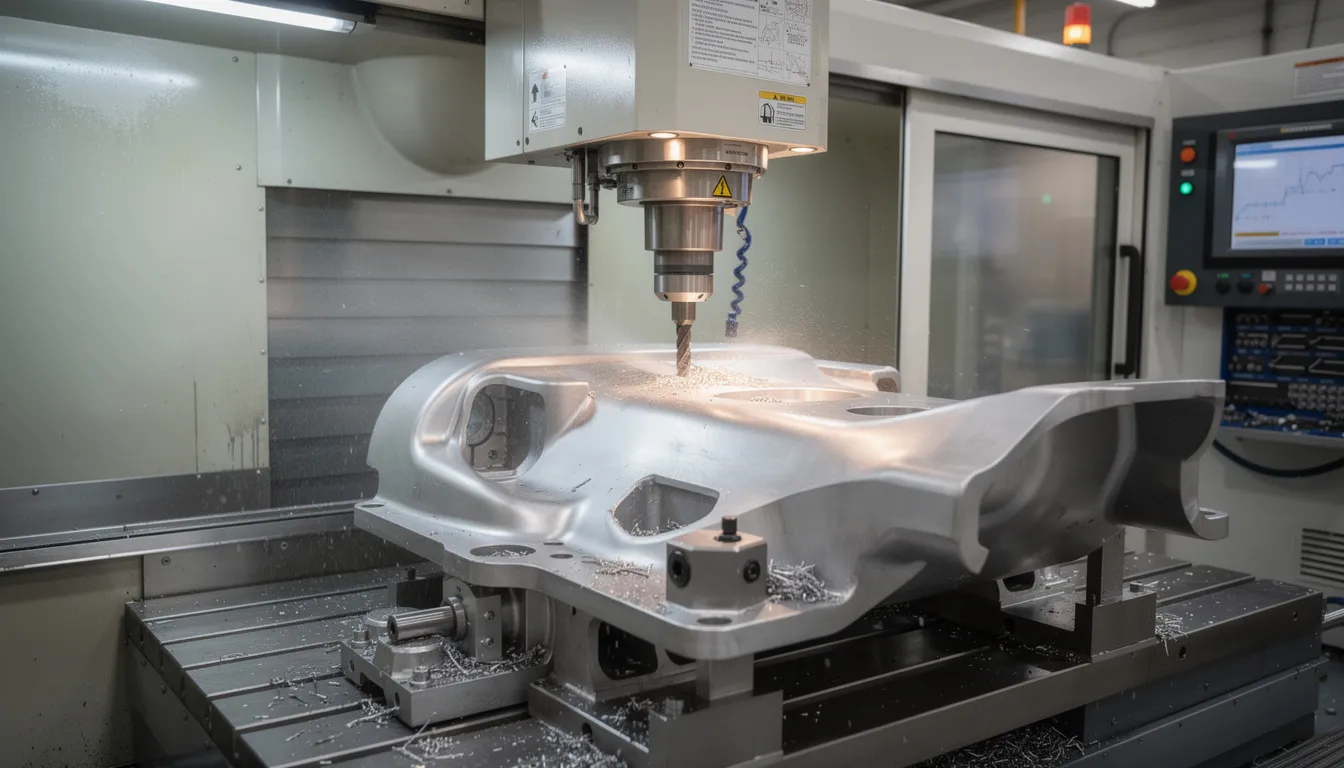
In manufacturing and maintenance environments, foreign object debris can include loose hardware, metal shavings, broken tool pieces, packaging fragments, rags, plastic, dust buildup, consumable remnants, or other stray materials left in or around equipment, assemblies, or controlled workspaces. The term focuses on the debris itself, not the resulting damage.
What it includes and excludes
This term includes physical matter or objects that are out of place and create risk to product quality, equipment condition, or operational control. It does not usually refer to planned process materials that are correctly handled and contained, even if they later become waste. It also does not mean data errors, software defects, or documentation issues unless a process uses the term metaphorically.
How it appears in operations
Foreign object debris is often managed through housekeeping, line clearance, tool accountability, inspection, cleaning, maintenance checks, and documentation of abnormalities. In regulated or high-reliability operations, it may be tracked as a quality or maintenance concern because debris can interfere with assembly, testing, fluid systems, rotating equipment, or final product acceptance.
Examples include a metal chip left inside a machined housing, tape backing left in an assembly, or a broken drill tip not recovered from a work area.
Common confusion
Foreign object debris is commonly confused with foreign object damage. Debris is the unwanted object or material itself. Damage is the harm caused when that object contacts or enters a product, machine, or system. The acronym FOD is often used for both meanings, so teams usually rely on context to distinguish them.


Related Blog Articles

Related FAQ
Related Glossary
Ready to See How C-981 Can Accelerate Your Factory’s Digital Transformation?
