
NCR procedure
An NCR procedure is the documented workflow for controlling, dispositioning, and closing a nonconformance.


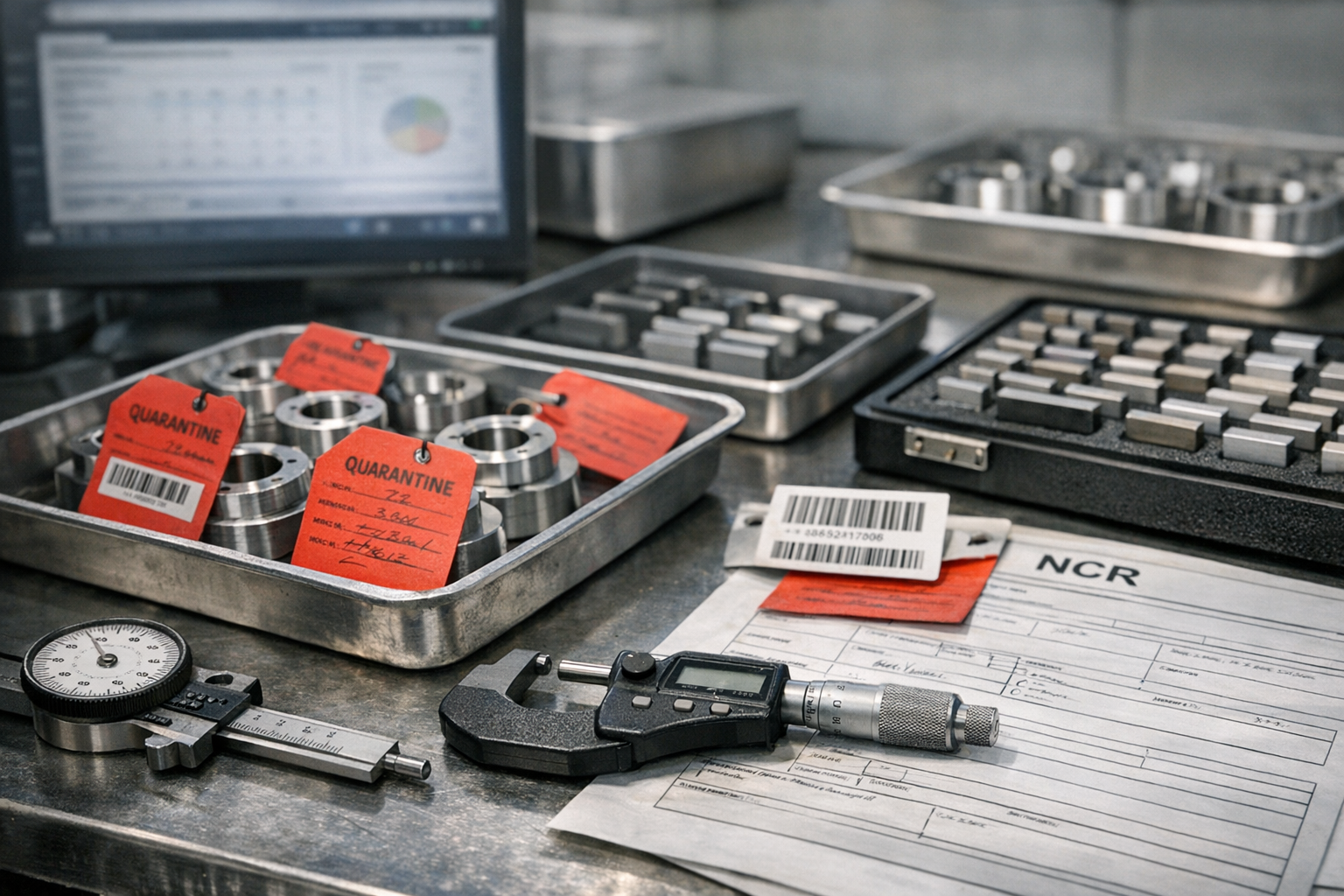
An NCR procedure is the documented process for handling a nonconformance from discovery through review, disposition, action, and closure. In manufacturing, NCR usually means nonconformance report, a record used when a product, material, process, or requirement does not match the specified criteria.
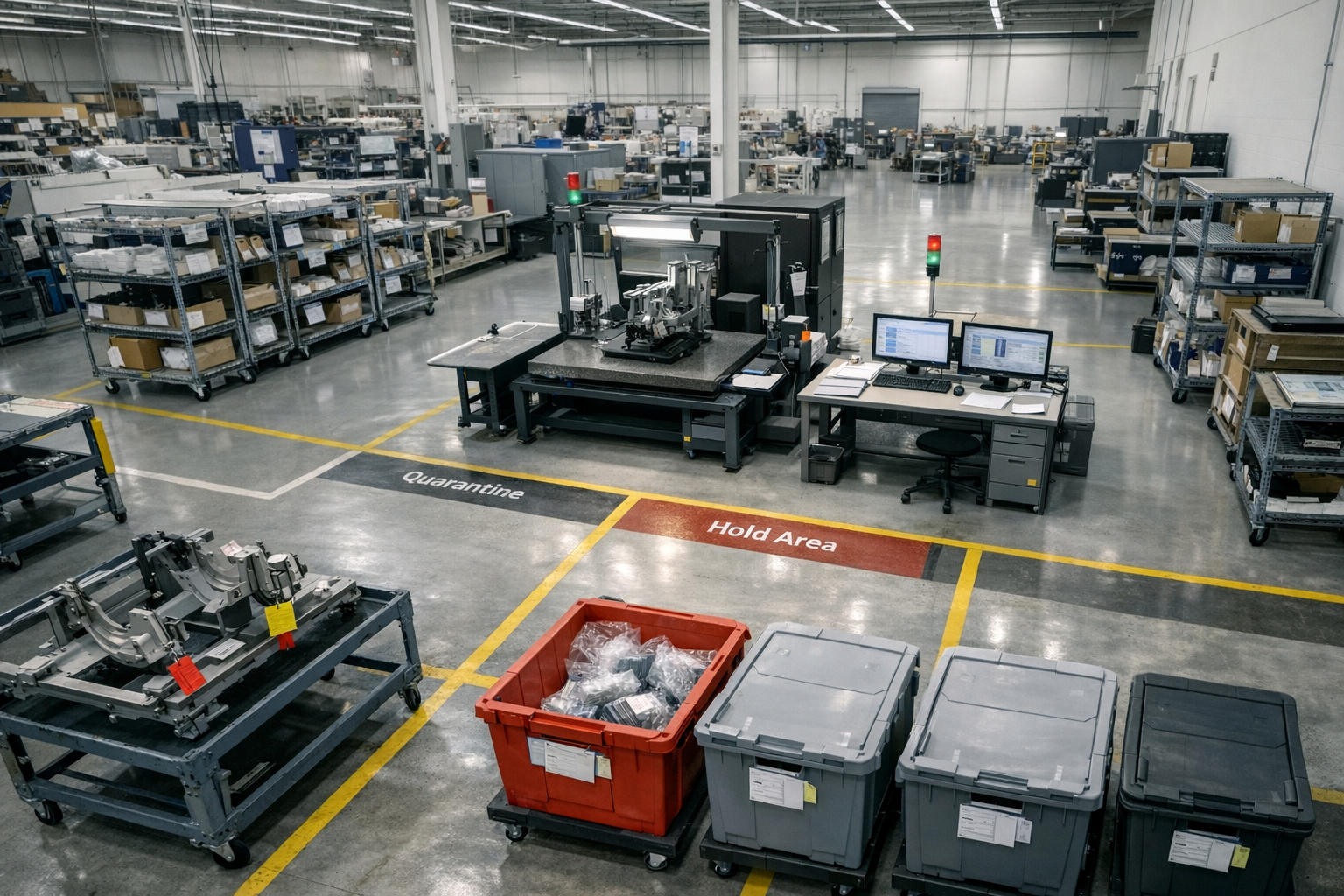
An NCR procedure commonly defines how the issue is identified, contained, segregated if needed, documented, evaluated, and assigned a disposition. Typical dispositions may include rework, repair, scrap, return to supplier, or use-as-is when approved by the appropriate authority. The procedure also defines required records, approvals, traceability links, and closure steps.
NCR procedures are used in quality management, MES workflows, inspection processes, supplier quality, and regulated manufacturing environments where objective evidence and product traceability are important. An NCR should not be confused with CAPA. The NCR addresses a specific detected nonconformance, while CAPA is used when investigation and corrective or preventive action are needed to address a broader or recurring cause.


Related Blog Articles


Related FAQ
Related Glossary
Ready to See How C-981 Can Accelerate Your Factory’s Digital Transformation?
