
Nonconformance investigation
A nonconformance investigation examines why a product, process, or record failed to meet a specified requirement.


A nonconformance investigation is the structured review of a product, process, material, record, or service that did not meet a specified requirement. In manufacturing, it commonly refers to the work performed after a nonconformance is identified to understand what happened, assess impact, support disposition, and determine whether corrective action is needed.
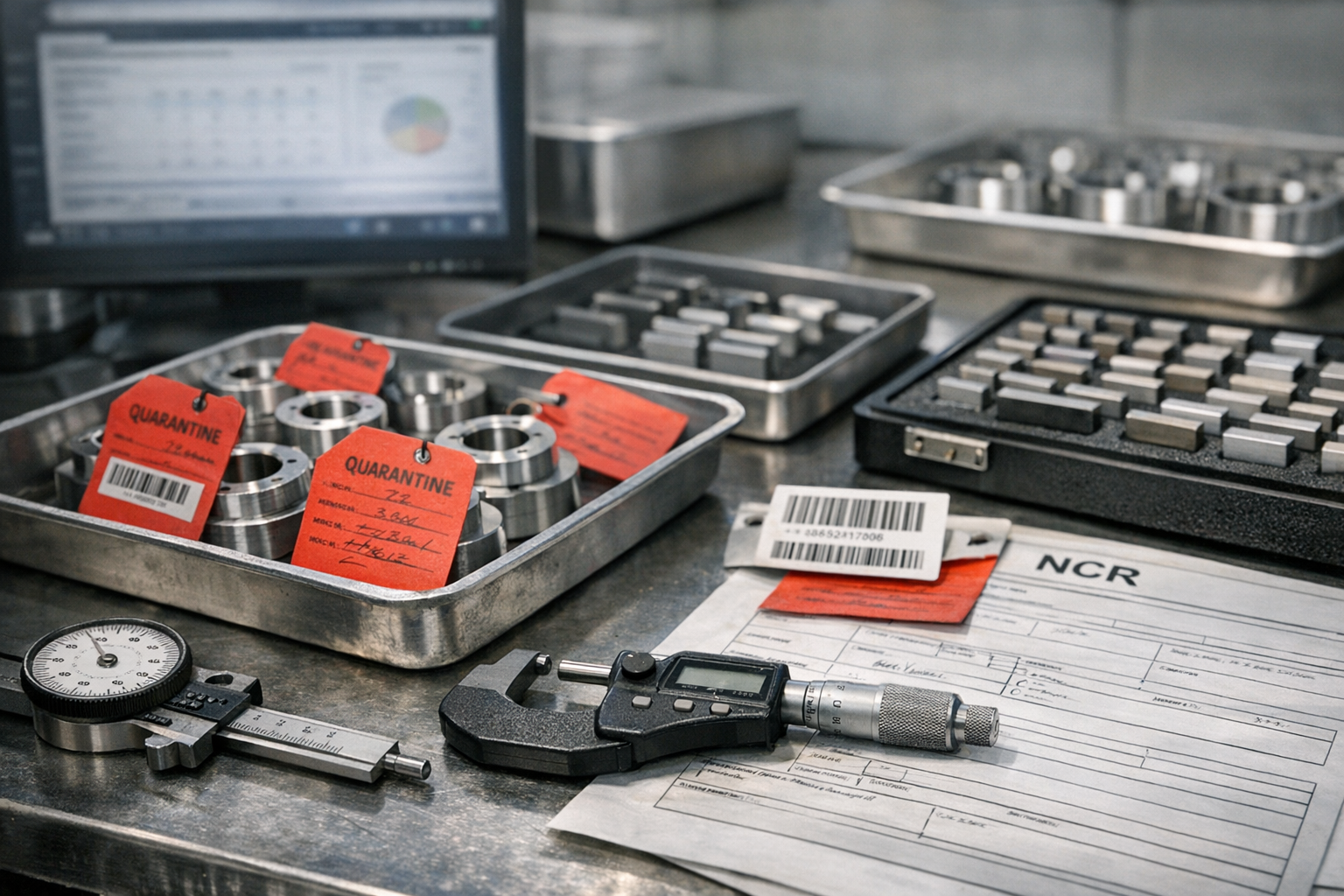
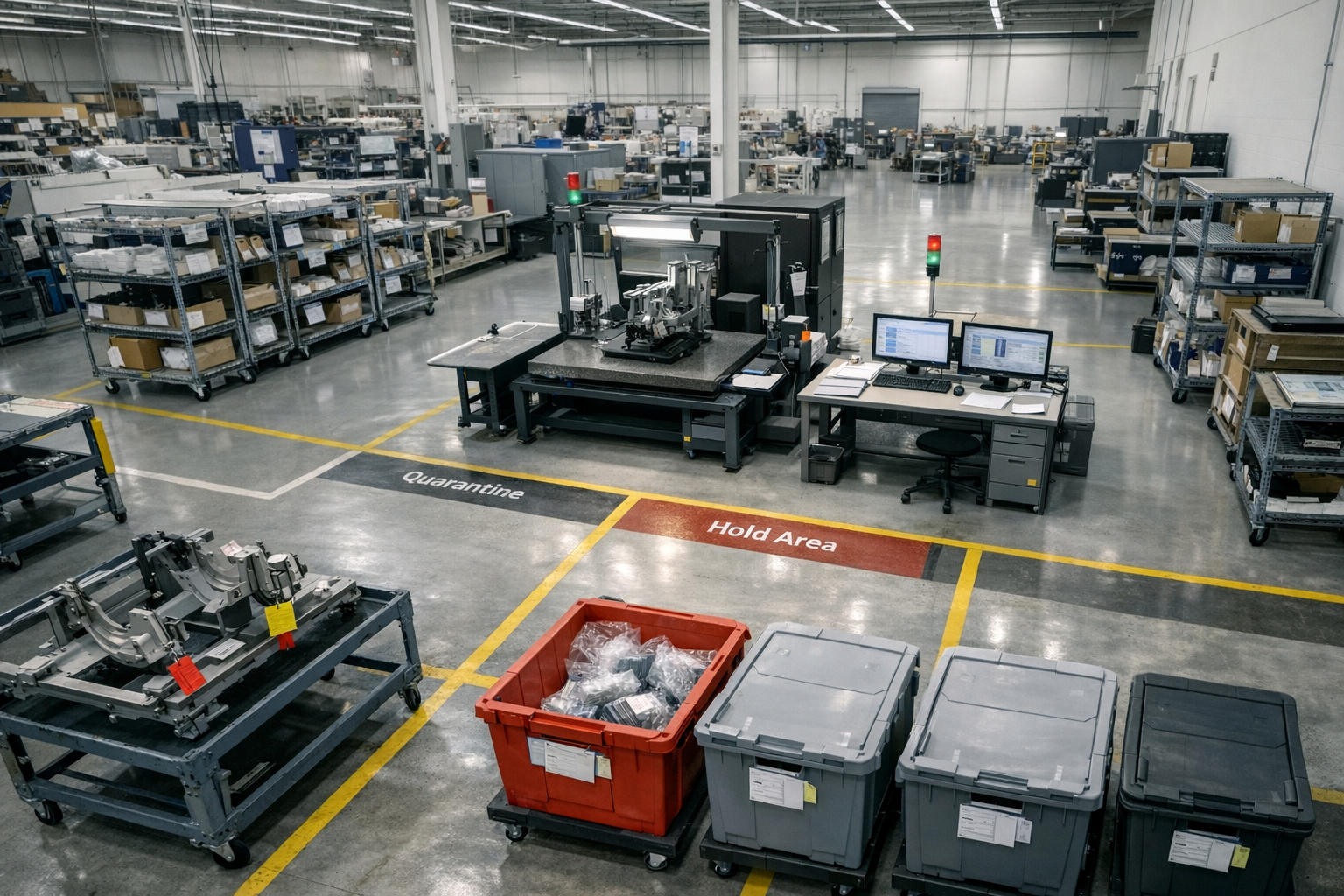
The investigation may include reviewing inspection results, production history, equipment status, operator steps, material traceability, work instructions, and related quality records. It is often managed through an NCR, quality management system, MES, or other workflow that records evidence, approvals, containment actions, root cause analysis, and follow-up tasks.
A nonconformance investigation is not the same as the nonconformance itself. The nonconformance is the failure to meet a requirement; the investigation is the fact-finding and analysis process that follows. It also should not be confused with final disposition, such as use-as-is, rework, repair, scrap, or return to supplier, although investigation findings often inform that decision.


Related Blog Articles


Related FAQ
Related Glossary
Ready to See How C-981 Can Accelerate Your Factory’s Digital Transformation?
