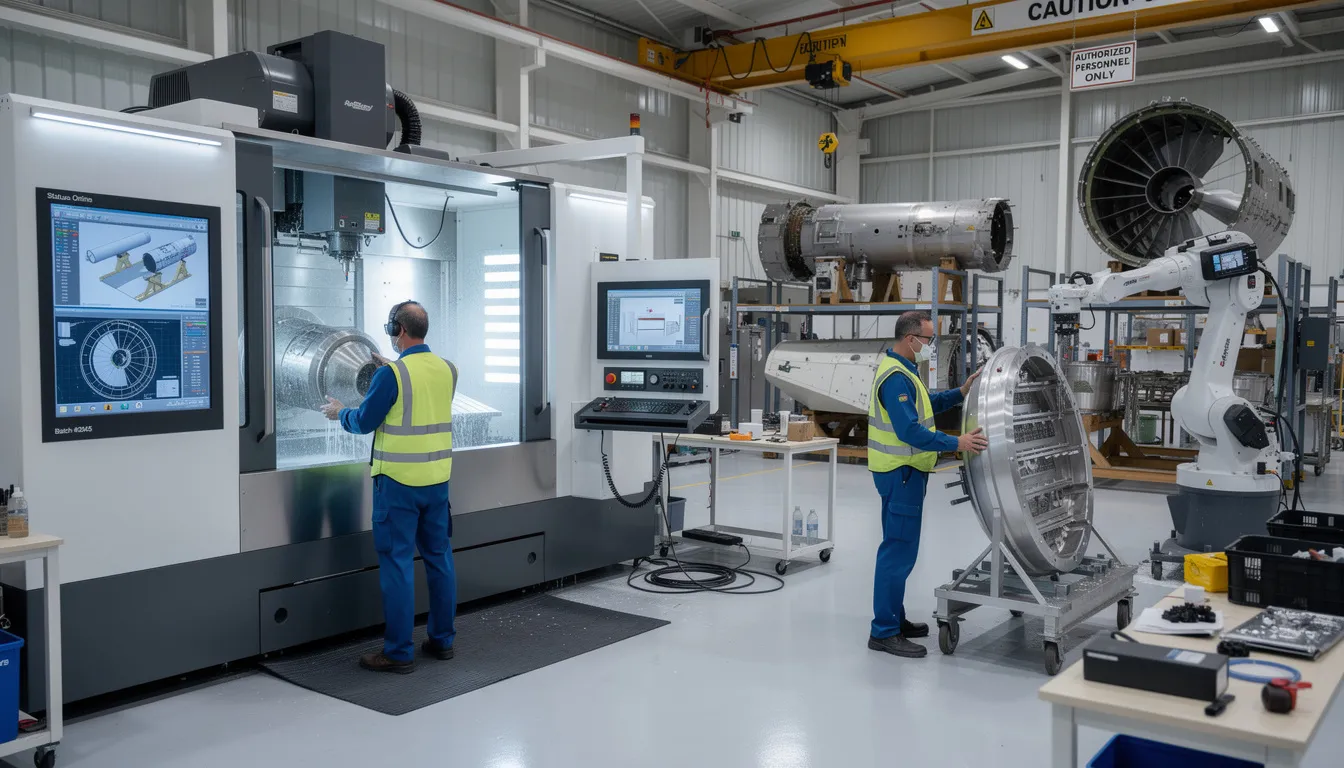
The 5 M’s of manufacturing are a common way to organize potential causes when you are analyzing process performance or quality problems. The letters stand for:
- Man: People and human factors involved in the process. In modern usage this typically means operators, technicians, engineers, and supervisors, including training, qualifications, workload, shift patterns, and communication. In regulated environments, competence records, training matrices, and documented responsibilities are part of this category.
- Machine: Equipment, tools, fixtures, software-driven systems, and automation used to produce or inspect the product. This includes maintenance status, calibration of equipment, control system configuration, and known limitations. In brownfield plants, this often spans multiple vintages of machines and control systems.
- Material: Raw materials, components, consumables, and intermediates. This covers specifications, certificates of analysis or conformity, storage conditions, shelf life, lot-to-lot variability, and supply chain issues that may affect consistency.
- Method: The way work is performed, including procedures, work instructions, set-up sheets, recipes, programs, and process parameters. In regulated settings, this also includes change control around process definitions and how well actual practice matches approved documentation.
- Measurement: Inspection and test methods, gauges and instruments, sampling plans, data collection systems, and analytical methods. This includes measurement system analysis, calibration status, data integrity, and how results are recorded and used for decisions.
In practice, the 5 M’s are often used to structure fishbone (Ishikawa) diagrams, 5-Whys, and other root cause analysis tools. They are a thinking aid, not a standard or a guarantee of completeness. In complex, regulated operations you will usually need to extend or adapt them (for example, adding categories like Environment or Management) to reflect site-specific risk, system interfaces, and regulatory expectations. Any conclusions drawn using the 5 M’s should be supported by evidence, traceable records, and validated data rather than assumptions.
In practice, this connects to lean and process improvement when teams need to turn the answer into repeatable execution habits.