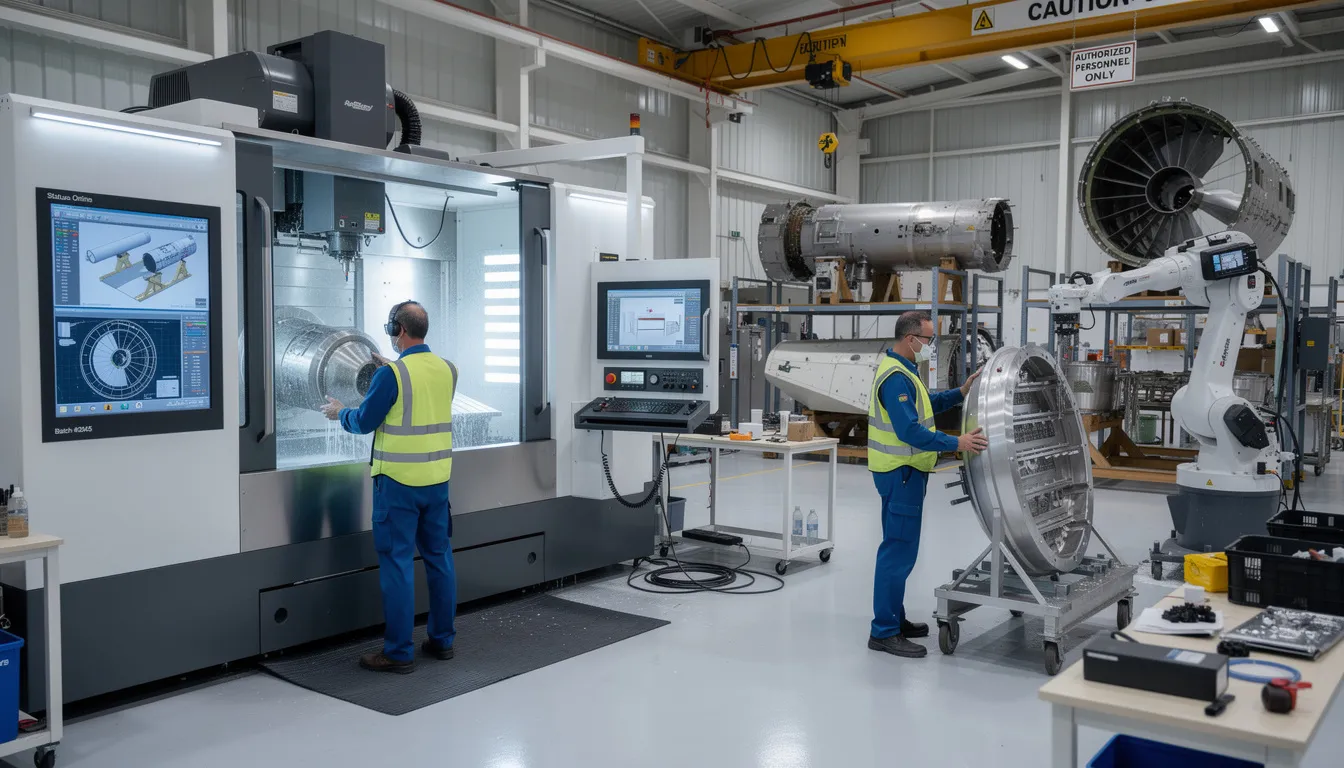
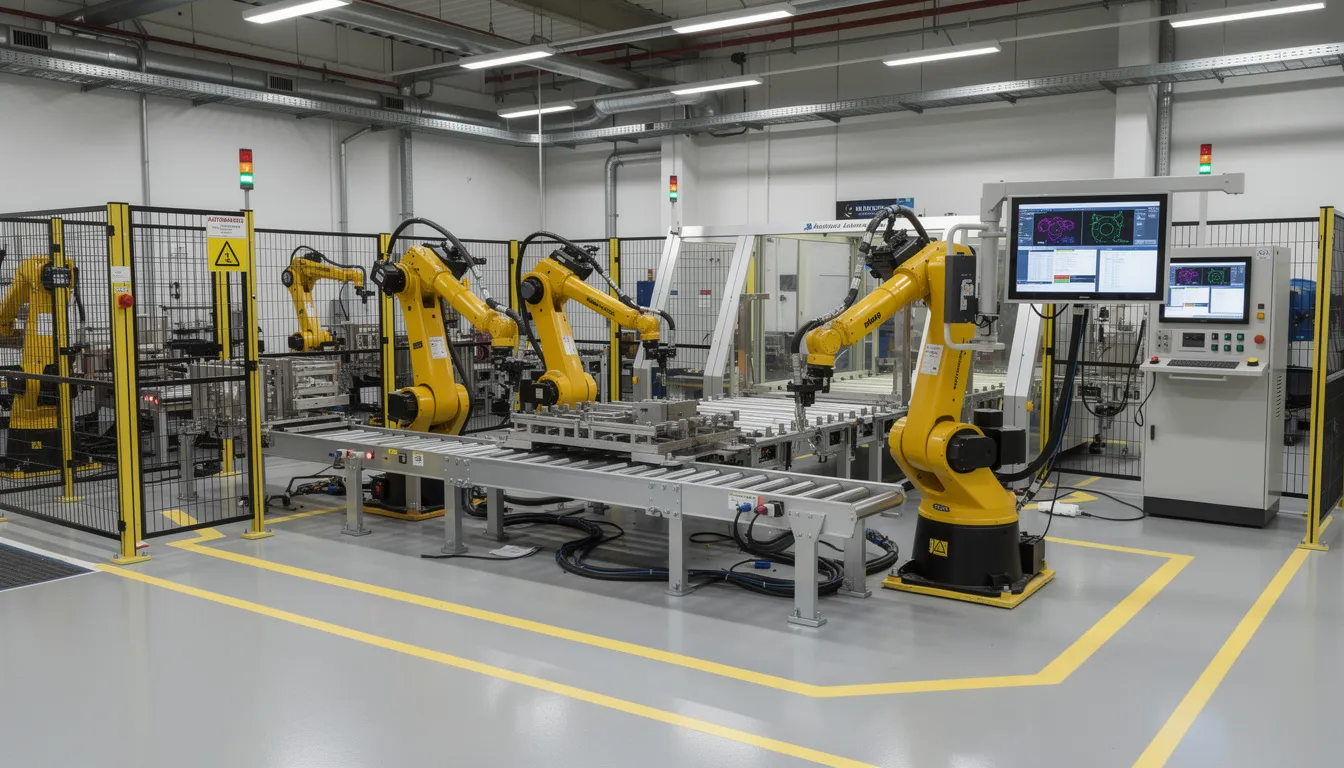
For CMMC and NIST 800-171, audits will be disruptive if the scope is unclear, evidence is scattered, and control ownership is ambiguous. There is no fast way to avoid this entirely, but you can shift most pain away from the production floor to preparation cycles owned by IT, security, and quality. The practical goal is not “no disruption” but “no surprises,” with the shop floor asked to demonstrate only a small, well-defined set of processes. In regulated manufacturing environments, this typically means aligning cyber and data-protection controls with existing change control, training, and document management practices, instead of inventing parallel structures just for CMMC.
The fastest reduction in audit disruption usually comes from scoping, not technology changes. Define and document exactly which systems, production lines, and data flows are in-scope for Controlled Unclassified Information (CUI) and related NIST 800-171 controls. Where possible, segment CUI-bearing operations, workstations, and networks so auditors can focus there and avoid pulling the entire plant into scope. This often means working with IT to enforce clear network zones and with engineering to document which work instructions, NC programs, and quality records actually contain or derive from CUI. Without tight scope boundaries, auditors will keep asking for “one more” system, which multiplies disruption regardless of how mature your tooling is.
In practice, this connects to industrial security evidence when teams need to turn the answer into repeatable execution habits.
Audit disruptions intensify when evidence is created on the fly rather than retrieved from stable sources. A fast way to reduce this is to define, per control family, what objective evidence will be shown and where it lives: access logs from specific systems, change records from your existing change control tool, training records from the HR or LMS system, and configuration baselines from current CMDB or asset inventories. For manufacturing, pay special attention to engineering change, software deployment to equipment, account provisioning on shop-floor terminals, and removable media or data transfer practices. If operations and IT can pull standard evidence packets without involving every supervisor, each audit request consumes fewer people and less line time.
Trying to stand up parallel “CMMC processes” outside your established MES, ERP, PLM, or QMS stacks usually increases disruption and validation burden. A faster and more sustainable approach is to map NIST 800-171 and CMMC control requirements onto existing, validated workflows wherever practical. For example, use the current document control system for secure distribution of CUI work instructions, the existing CAPA or deviation process for security-related incidents that impact operations, and existing electronic signatures or approvals for access authorization. This minimizes new training, reduces the need for re-validation of manufacturing systems, and lets auditors see cyber and data controls functioning in the same tools you already use for quality and operations.
Replacing MES, QMS, or other core systems in hopes of making CMMC or NIST 800-171 audits easier is rarely fast and often increases audit risk in aerospace-grade environments. New platforms introduce long qualification and validation cycles, significant downtime risk, and complex cutover periods when evidence is split across old and new systems. Auditors also tend to scrutinize recent system changes more heavily, which can expand audit activities right when you are least stable. In brownfield plants with legacy equipment and integrations, a more realistic approach is to harden and document the current environment, add targeted security controls (e.g., access management, logging, segmentation) around existing systems, and only plan replacements where there is a clear, multi-year justification beyond audit convenience.
Audits disrupt production most when auditors talk directly to operators to fill gaps that should have been covered by documentation and system owners. To reduce this, assign clear owners for each in-scope system and control area—typically spanning IT, security, quality, and operations leadership. Define who answers what: IT for identity and access management, engineering for configuration control, quality for records and training, and operations for how procedures are followed on the floor. Establish a simple, documented escalation path so when auditors ask plant staff a question outside their remit, it is redirected quickly to the right owner rather than ad‑hoc, time‑consuming explanations. This structure both shortens audit interviews and reduces the chance of inconsistent off-the-cuff answers that lead to more follow-up.
Large, plant-wide “mock audits” can be as disruptive as the real thing and usually produce diminishing returns. Faster improvement comes from focused dry-runs on the riskiest audit topics: access control on shop-floor systems, handling of CUI in work instructions and NC programs, remote access to equipment, and change control for automation software. Table-top exercises with system owners and a small representative group of supervisors can validate evidence paths, clarify who speaks to which topics, and reveal documentation gaps. The goal is to ensure that for each likely audit question, there is a known document, screen, or log and a specific person who can show it, without needing line operators to improvise.
Any changes you make to reduce audit disruption must still fit within established change control and validation practices. In many plants, key assets and systems have lifecycles measured in decades, and making them “perfectly compliant” in a short time is unrealistic. Instead, document known limitations, compensating controls, and upgrade roadmaps so auditors see that older equipment risks are understood and managed, not ignored. Where automation or controls cannot be changed quickly, harden the surrounding processes: locked-down accounts, controlled data transfer, and clear procedures for accessing and updating legacy machines. This approach does not eliminate audit findings by itself, but it reduces disruptive scrambling during audits and makes any residual gaps more defensible and predictable.
In plants with mixed generations of equipment and multiple vendors, the fastest relief typically comes from three moves: tightening CUI scope, standardizing evidence around existing systems, and clarifying who owns which audit topics. Attempting to retrofit every legacy asset to meet every control in a single cycle tends to cause more downtime and unplanned disruption than the audits themselves. By contrast, scoping, documentation, and ownership changes can be rolled out with minimal line impact and can be validated via targeted pilots on a single cell or area. Over time, you can then fold more structured security controls into scheduled maintenance, upgrades, and system replacements, instead of treating CMMC or NIST 800-171 as a one-time technical project meant to “fix audits” overnight.


Whether you're managing 1 site or 100, Connect 981 adapts to your environment and scales with your needs—without the complexity of traditional systems.



Whether you're managing 1 site or 100, C-981 adapts to your environment and scales with your needs—without the complexity of traditional systems.