ISO/TS 16949
ISO/TS 16949 was a technical specification for automotive sector quality management systems that preceded IATF 16949.


ISO/TS 16949 was an international technical specification that defined quality management system (QMS) requirements for organizations in the automotive production and relevant service parts supply chain. It was based on ISO 9001 and added automotive-specific requirements for design, development, production, and service of automotive-related products.
The specification was developed jointly by the International Organization for Standardization (ISO) and the International Automotive Task Force (IATF). It aligned multiple regional automotive quality requirements into a single, globally recognized framework for automotive manufacturers and their suppliers.
Scope and application
ISO/TS 16949 applied to:
- Organizations that manufacture production or service parts for the automotive industry
- Facilities involved in design, development, production, installation, or servicing of automotive products
- Supply chain companies that needed to demonstrate a harmonized, ISO 9001-based QMS tailored to automotive risks and requirements
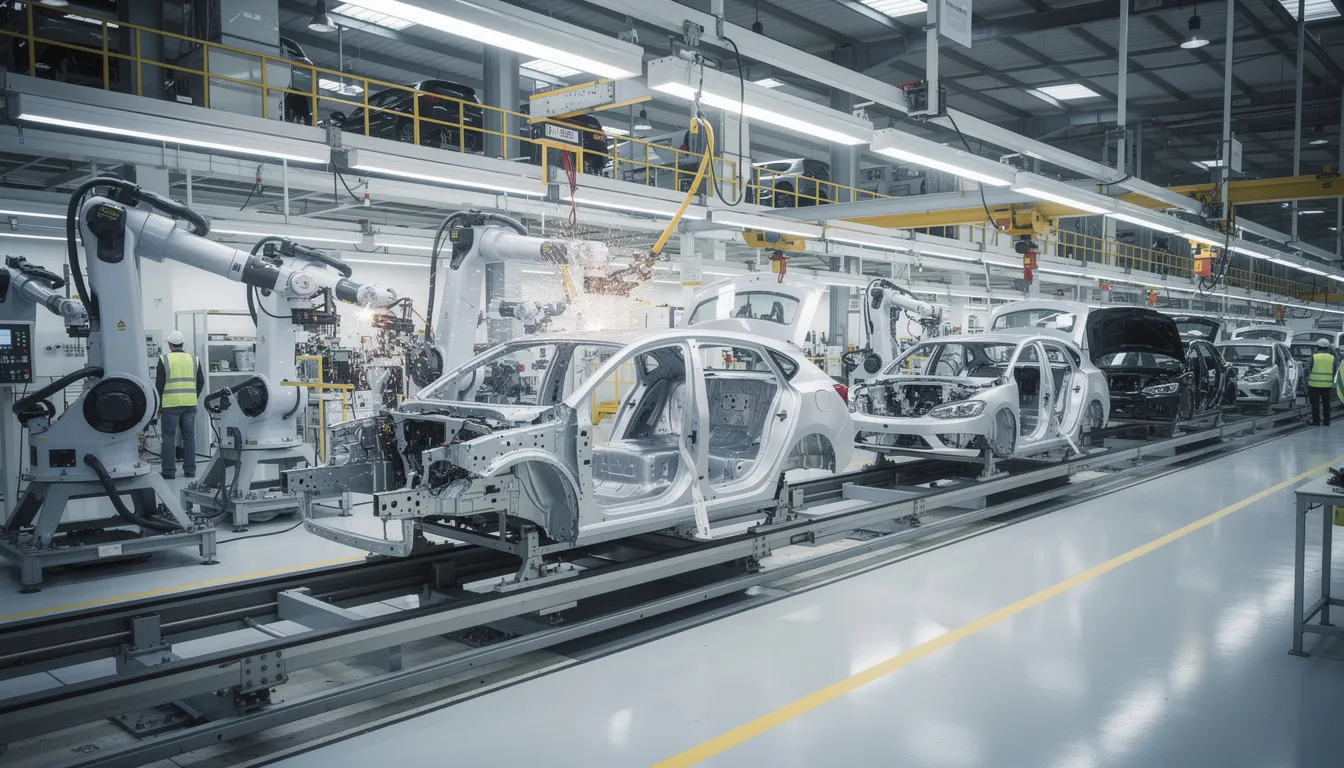
Operationally, ISO/TS 16949 influenced how plants structured their QMS, documented processes, controlled production operations, managed nonconformities, and interacted with customer-specific automotive requirements. It also drove expectations for supplier audits, corrective actions, and ongoing performance monitoring across the extended supply chain.
Status and relationship to IATF 16949
ISO/TS 16949 has been superseded by IATF 16949. The IATF, which co-developed ISO/TS 16949, took full ownership and released IATF 16949 as a standalone automotive QMS standard, still built on the ISO 9001 framework but no longer published as an ISO technical specification.
In current usage, references to ISO/TS 16949 often appear in legacy documentation, historical audit records, or long-lifecycle manufacturing programs that were originally aligned to this specification before transitioning to IATF 16949 and current ISO 9001 revisions.
Operational relevance in manufacturing environments
In industrial and regulated operations, ISO/TS 16949 commonly shows up in:
- Legacy QMS documentation and procedures that were written under ISO/TS 16949 requirements
- Supplier qualification files and historical audit reports for automotive suppliers
- Integration points between QMS, MES, ERP, and document control systems that were originally configured to ISO/TS 16949 structures
Plants that operated under ISO/TS 16949 typically synchronized process controls, traceability, nonconformance management, and corrective action workflows across shop-floor and quality systems, and then adapted those same structures when migrating to IATF 16949.
Common confusion
- ISO/TS 16949 vs IATF 16949: ISO/TS 16949 was the older ISO technical specification. IATF 16949 is the current automotive QMS standard owned and maintained by the IATF, aligned with ISO 9001 but no longer issued as an ISO/TS.
- ISO/TS 16949 vs ISO 9001: ISO 9001 is a generic QMS standard for any industry. ISO/TS 16949 built on ISO 9001 and added automotive sector-specific requirements, including customer-specific and supply chain requirements tailored to automotive risks.


Related Blog Articles


Related FAQ
Related Glossary
Ready to See How C-981 Can Accelerate Your Factory’s Digital Transformation?

