quality control
Quality control is the set of operational activities used to verify that products or processes meet defined quality requirements.


Quality control is the set of operational activities used to verify that products, components, or processes meet defined quality requirements. In industrial and regulated manufacturing environments, it commonly refers to inspections, measurements, tests, and reviews that compare actual results against specifications, standards, or documented acceptance criteria.
What quality control includes
In a manufacturing context, quality control typically includes:
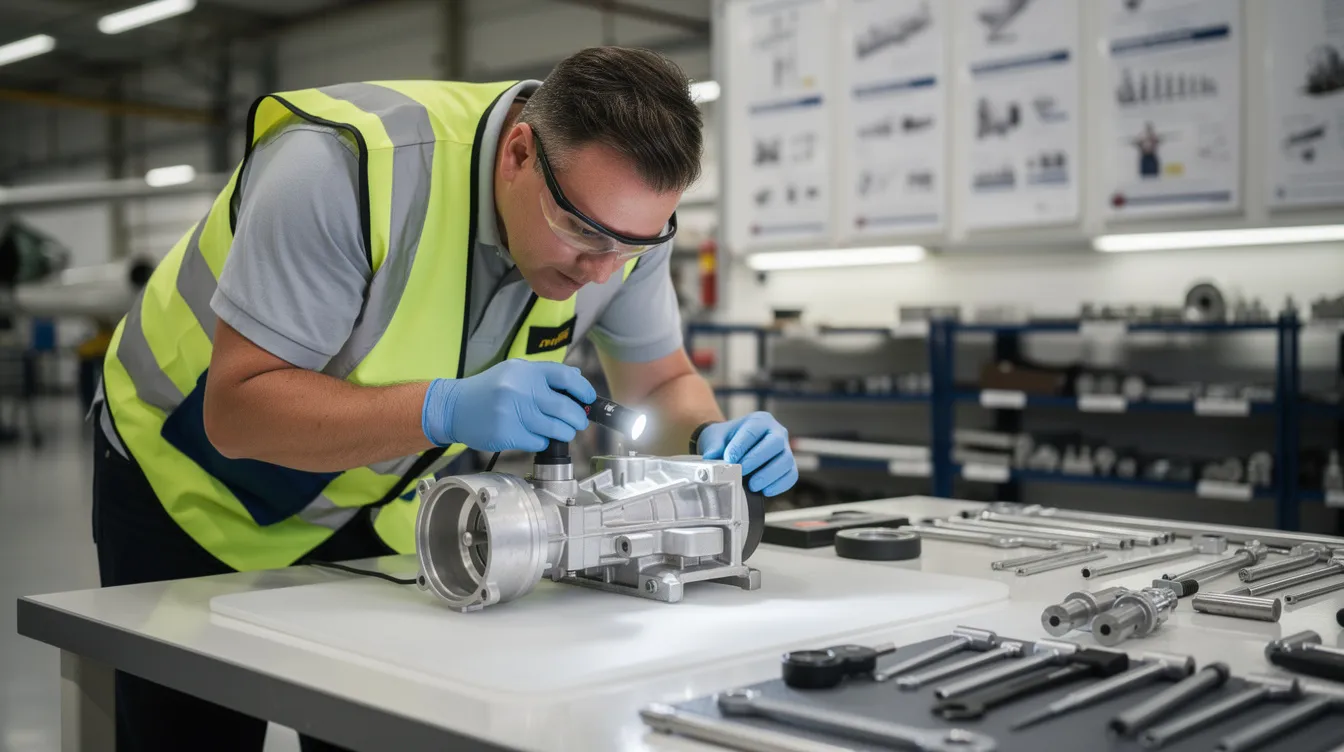
- Incoming, in-process, and final inspections
- Sampling plans and inspection levels based on documented criteria
- Dimensional checks, functional tests, and material verification
- Use of calibrated instruments, test equipment, and validated methods
- Defect recording, classification, and basic nonconformance handling
- Documentation of inspection results for traceability and audit evidence
Quality control is usually applied at defined points in the process (for example, at line clearance, first-article inspection, or batch release) and often integrates with MES, LIMS, QMS, and ERP systems for data capture and reporting.
How quality control operates in regulated environments
In regulated industries, quality control activities are expected to be performed according to written procedures, using qualified personnel and controlled equipment. Typical operational elements include:
- Standard test methods and inspection work instructions
- Recorded evidence that inspections and tests were completed as required
- Defined criteria for lot acceptance, rejection, or rework
- Data review by designated roles (for example, quality inspector, quality engineer)
- Feedback of detected issues into nonconformance, deviation, or CAPA processes
While quality control focuses on detecting nonconformities, its results are often used by quality assurance and process engineering to improve processes and reduce recurrence of defects.
Relationship to other quality management concepts
Quality control is one of several components of a broader quality management system. It is often discussed alongside:
- Quality planning, which defines requirements, specifications, and control methods before production.
- Quality assurance, which focuses on system-level confidence that processes are capable of consistently meeting requirements.
- Quality improvement, which uses data (often from quality control) to systematically reduce defects and variability.
In many models, quality control is viewed as reactive or verification-oriented, because it confirms whether output meets requirements after or at key points in production, rather than designing the system to prevent errors.
Common confusion
- Quality control vs. quality assurance: Quality control verifies the quality of the actual product or process output through inspection and testing. Quality assurance focuses on the systems, procedures, and governance designed to ensure that quality is built into the process.
- Quality control vs. process control: Process control manages process parameters (such as temperature, speed, or pressure) in real time. Quality control confirms that the resulting product or batch meets defined quality criteria, often after the process step is complete.
Tie to QMS models
Many organizations describe their quality management system in terms of four interacting components: quality planning, quality control, quality assurance, and quality improvement. In this view, quality control provides the measurement and detection layer, feeding data into assurance and improvement activities but not by itself determining compliance status or audit outcomes.


Related Blog Articles

Related FAQ
Related Glossary
Ready to See How C-981 Can Accelerate Your Factory’s Digital Transformation?

