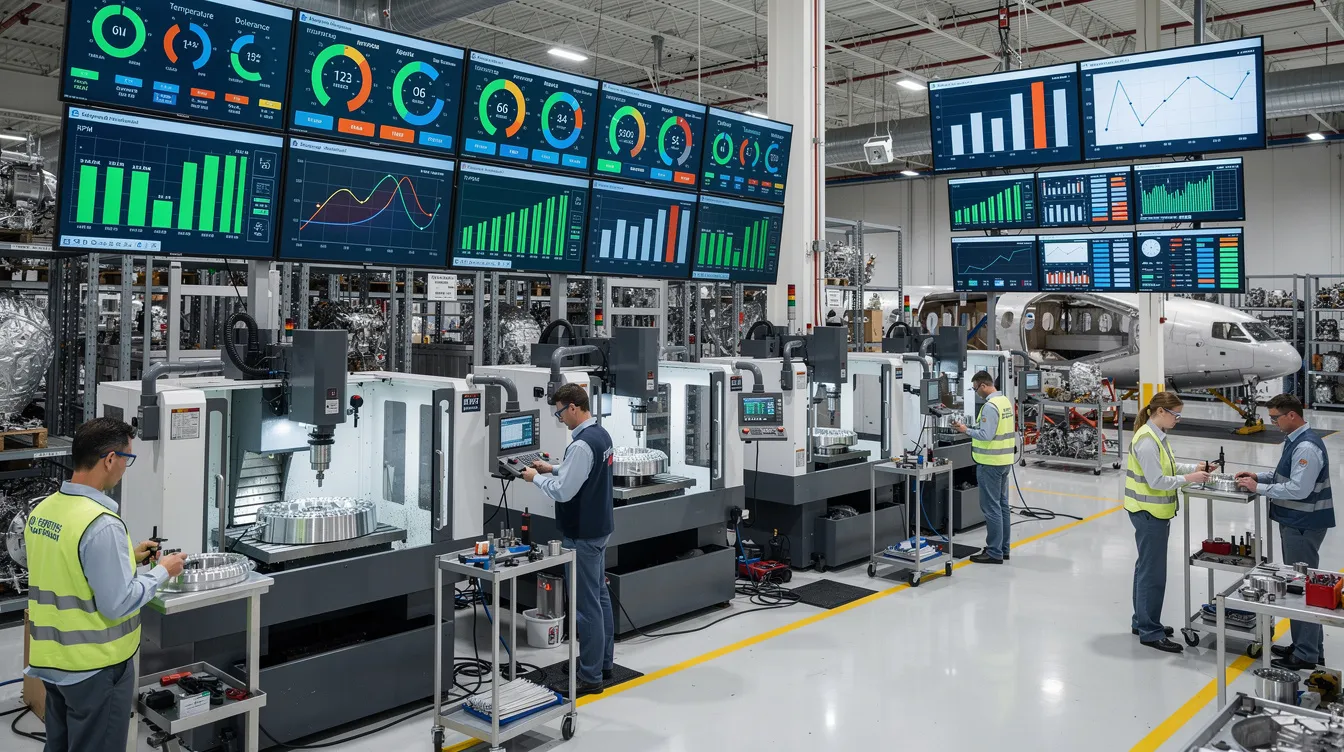
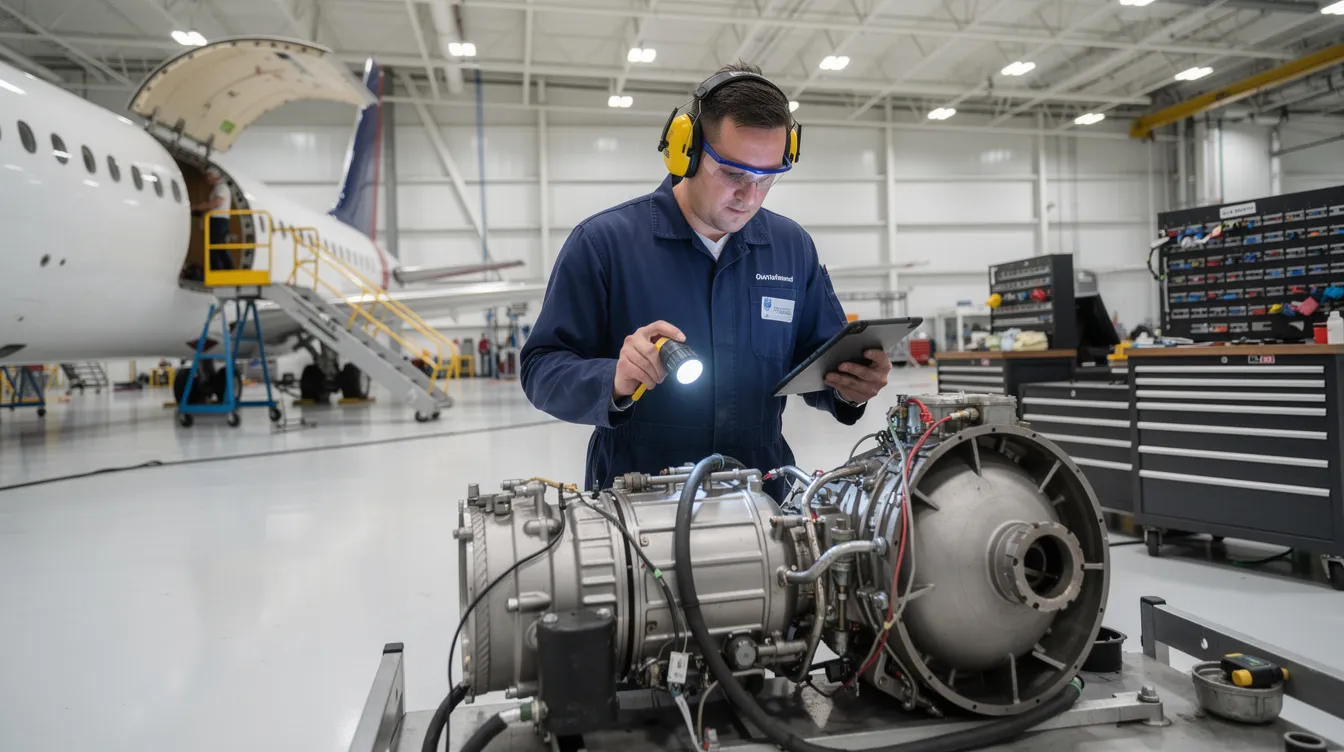
In most manufacturing contexts, especially regulated environments, MWI usually means “Manufacturing Work Instructions” (sometimes written as “Manufacturing Work Instruction” or simply “Work Instructions”). These are the controlled documents or digital instructions that tell operators exactly how to perform a manufacturing, assembly, test, or inspection step.
Manufacturing work instructions typically include:
In digital environments, MWI may be delivered through MES or a digital work instruction system, often tied to specific part numbers, configurations, or serials to support traceability.
Acronyms are not fully standardized across industry. At some plants, MWI might be called WI, EWI (electronic work instructions), or SOP, and the acronym MWI may not be used at all. In others, MWI might mean something more specific, such as “Machining Work Instruction” or “Maintenance Work Instruction,” depending on local conventions.
Because of this, you should always:
In regulated or safety-critical manufacturing, MWI is tightly linked to:
In brownfield plants, MWIs commonly coexist across multiple systems: some on paper, some in shared drives, some embedded in legacy MES screens. Replacing them with a single new digital system can be difficult due to validation burden, integration complexity, and downtime risk, so many organizations move incrementally, standardizing formats and links first and then modernizing delivery over time.
When you design or change MWIs in a real plant environment:
If your site uses the acronym MWI differently, that local definition should take precedence, but you should document it clearly in your internal glossary or procedures to prevent misinterpretation across teams and suppliers.


Whether you're managing 1 site or 100, Connect 981 adapts to your environment and scales with your needs—without the complexity of traditional systems.



Whether you're managing 1 site or 100, C-981 adapts to your environment and scales with your needs—without the complexity of traditional systems.