
corrective action (CAPA)
Corrective action in a CAPA system is the structured process used to eliminate the root cause of a detected nonconformance and prevent its recurrence.


Corrective action in a CAPA (Corrective and Preventive Action) system is the structured process used to identify, analyze, and eliminate the root cause of a detected nonconformance, deviation, complaint, or other quality issue so that it does not recur.
In regulated manufacturing environments, corrective actions are typically logged, investigated, reviewed, and verified within a quality management system (QMS) or MES, often linked to nonconformance reports (NCRs), audits, complaints, or process deviations. The focus is on fixing the underlying cause, not just repairing or reworking the affected product.
Typical elements of corrective action (within CAPA)
- Problem definition: Clearly describing the nonconformance or issue, including scope and impact.
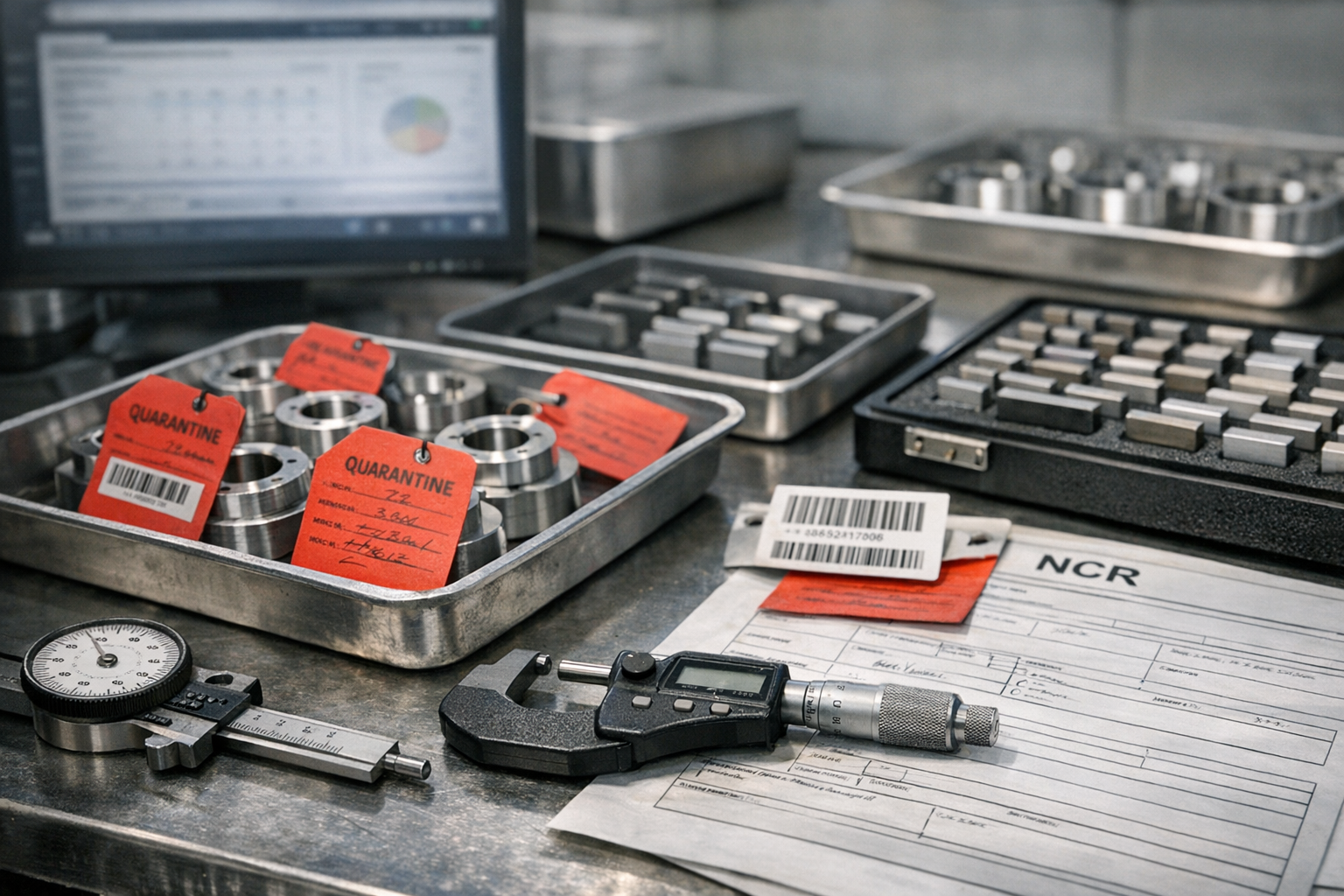
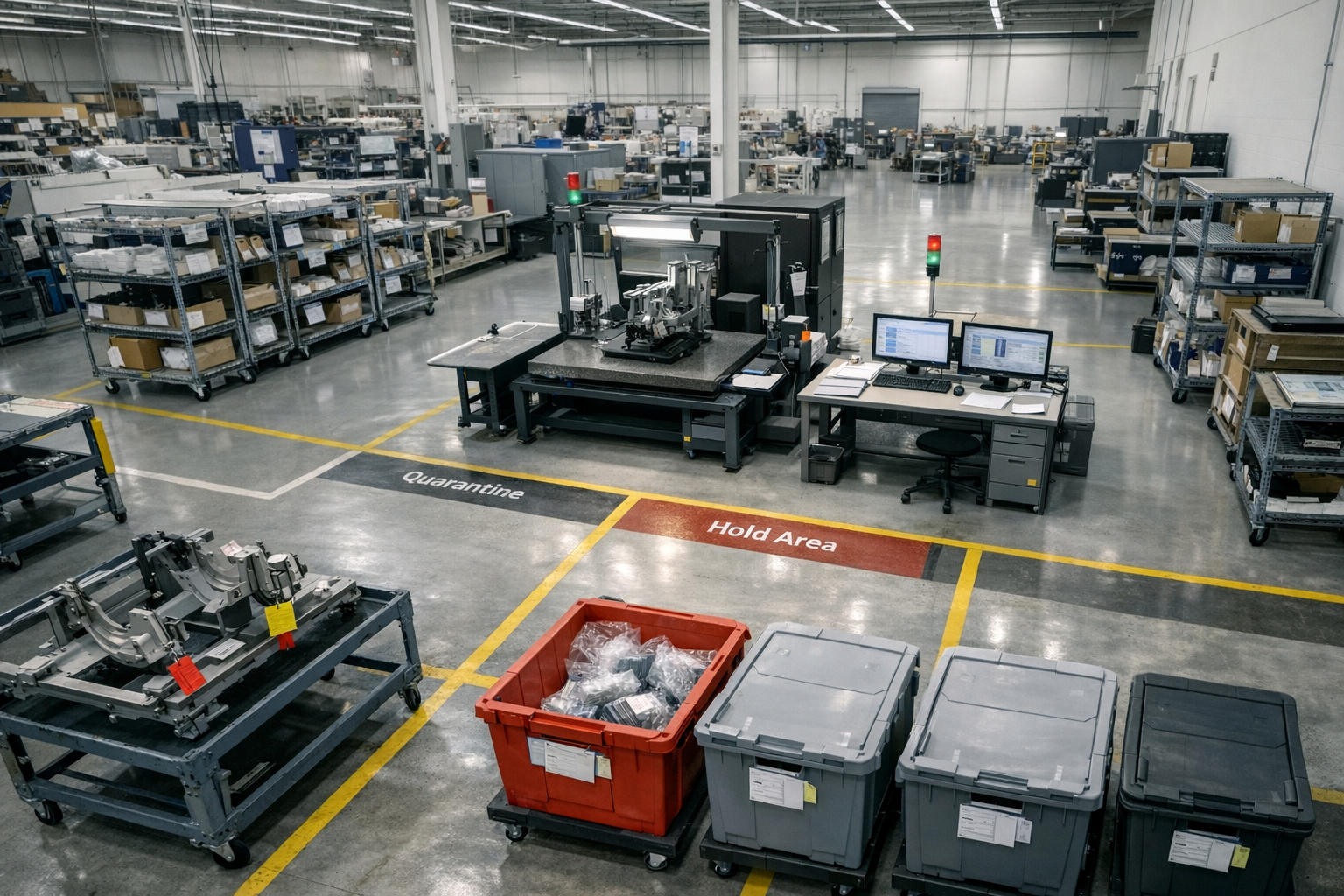
- Containment: Short-term actions to isolate affected product, processes, or data while the root cause is investigated.
- Root cause analysis: Using methods such as 5 Whys, fishbone diagrams, or fault-tree analysis to identify the true source of the problem.
- Action planning and implementation: Defining and executing changes to processes, methods, materials, equipment, documentation, or training to remove the root cause.
- Verification of effectiveness: Checking data, audits, or subsequent production to confirm the corrective action prevented recurrence.
- Documentation and approval: Recording the rationale, decisions, evidence, and approvals for audit and traceability.
Operational context in manufacturing
In industrial and regulated operations, corrective actions often connect multiple systems and workflows:
- Triggered from events such as NCRs, out-of-tolerance inspections, complaints, supplier escapes, audit findings, or equipment failures.
- Cross-functional involvement from quality, engineering, production, maintenance, and sometimes suppliers or customers.
- System integration where CAPA records are linked to part numbers, work orders, process routings, digital work instructions, training records, and change control.
- Traceability and compliance needs, where corrective actions must be demonstrable with evidence during customer or regulatory audits.
Corrective vs preventive action within CAPA
Within a CAPA framework, the terms describe different intents:
- Corrective action: Responds to an issue that has already occurred. Its goal is to remove the root cause of a known nonconformance or failure to prevent recurrence.
- Preventive action: Addresses potential issues that have not yet occurred, based on risk assessment, trend analysis, FMEA, or audits, to prevent occurrence in the first place.
Many organizations now use risk- and data-driven CAPA processes where corrective and preventive actions are managed in the same system, but are still conceptually distinguished.
Common confusion
- Correction vs corrective action: A correction is an immediate fix to a specific nonconforming unit or lot (for example, rework, repair, or scrap). A corrective action targets the underlying process cause so the nonconformance does not happen again.
- CAPA vs NCR: An NCR documents the nonconformance itself. A CAPA record (and its corrective action) documents the investigation and long-term actions taken in response, which may be linked to one or more NCRs.
- Maintenance work order vs corrective action: Fixing a failed machine component is a maintenance activity. If the failure pattern indicates a systemic issue (for example, missing PM tasks or inadequate specification) that is formally investigated and addressed to prevent recurrence, that broader effort may be managed as a corrective action in the CAPA system.
Use in standards and regulated environments
Quality and regulatory frameworks for aerospace, medical device, and other regulated manufacturing sectors commonly refer to CAPA and require documented, evidence-based corrective action processes. Organizations typically implement these requirements through formal procedures, workflows, and digital systems that link corrective actions to nonconformances, changes, training, and process controls.


Related Blog Articles


Related FAQ
Related Glossary
Ready to See How C-981 Can Accelerate Your Factory’s Digital Transformation?
