Non-Conformance Cost
Non-conformance cost is the measurable cost incurred when products, processes, or services fail to meet specified requirements or standards.


Non-conformance cost is the measurable cost incurred when products, processes, or services fail to meet specified requirements, specifications, or standards. It is a core component of the broader Cost of Poor Quality (COPQ) and is used to understand the financial impact of defects, deviations, and process failures in manufacturing and regulated operations.
What non-conformance cost includes
In industrial and regulated environments, non-conformance cost commonly refers to direct and indirect costs associated with:
- Scrap: Material and labor lost when parts or products must be discarded.
- Rework and repair: Additional labor, materials, tooling, and machine time needed to bring nonconforming product back into specification.
- Inspection and retesting due to failure: Extra checks, testing, and verifications triggered by a detected nonconformance.
- Material review and disposition: Engineering, quality, and MRB (Material Review Board) time spent analyzing nonconformances, deciding on use-as-is, repair, rework, or scrap.
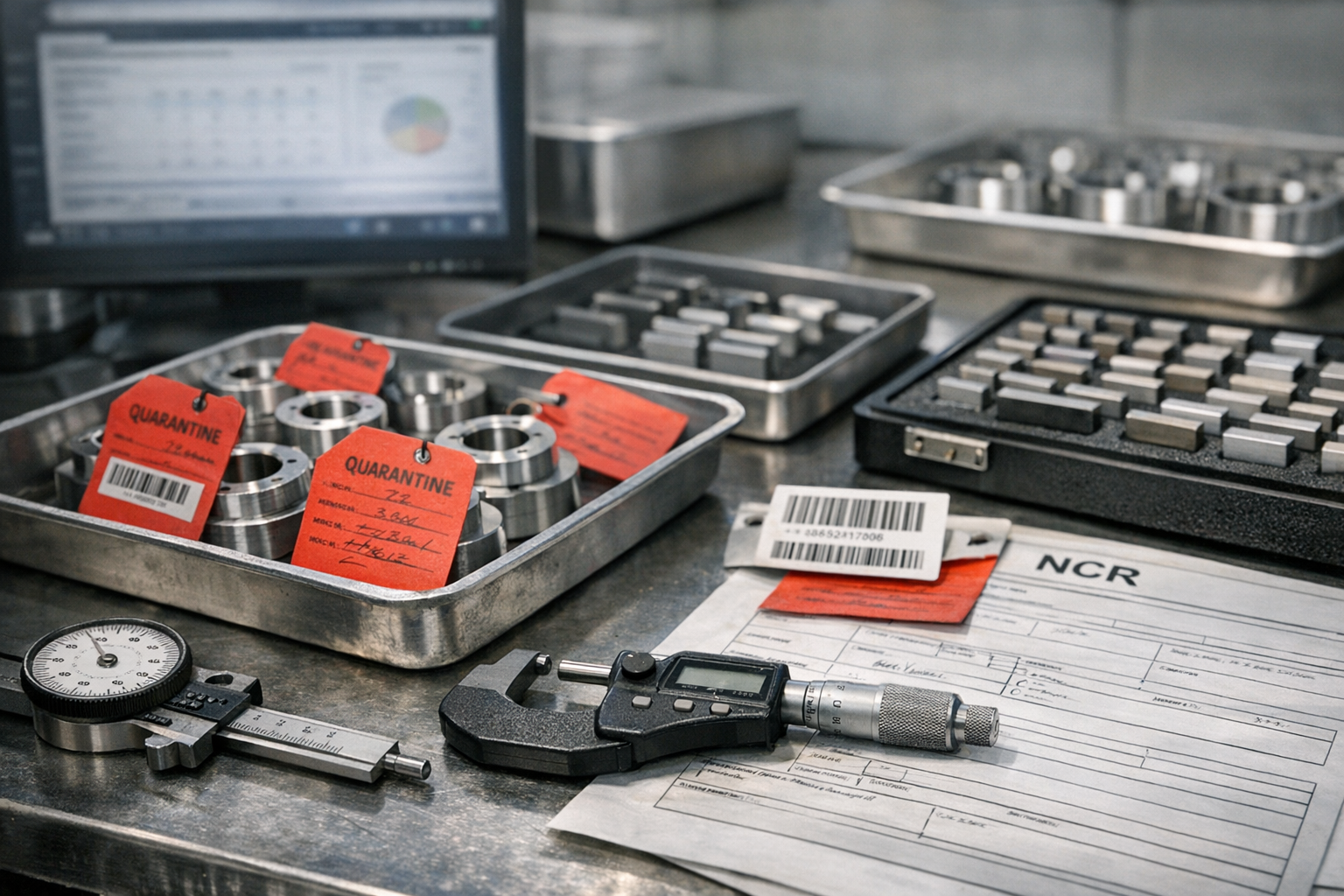
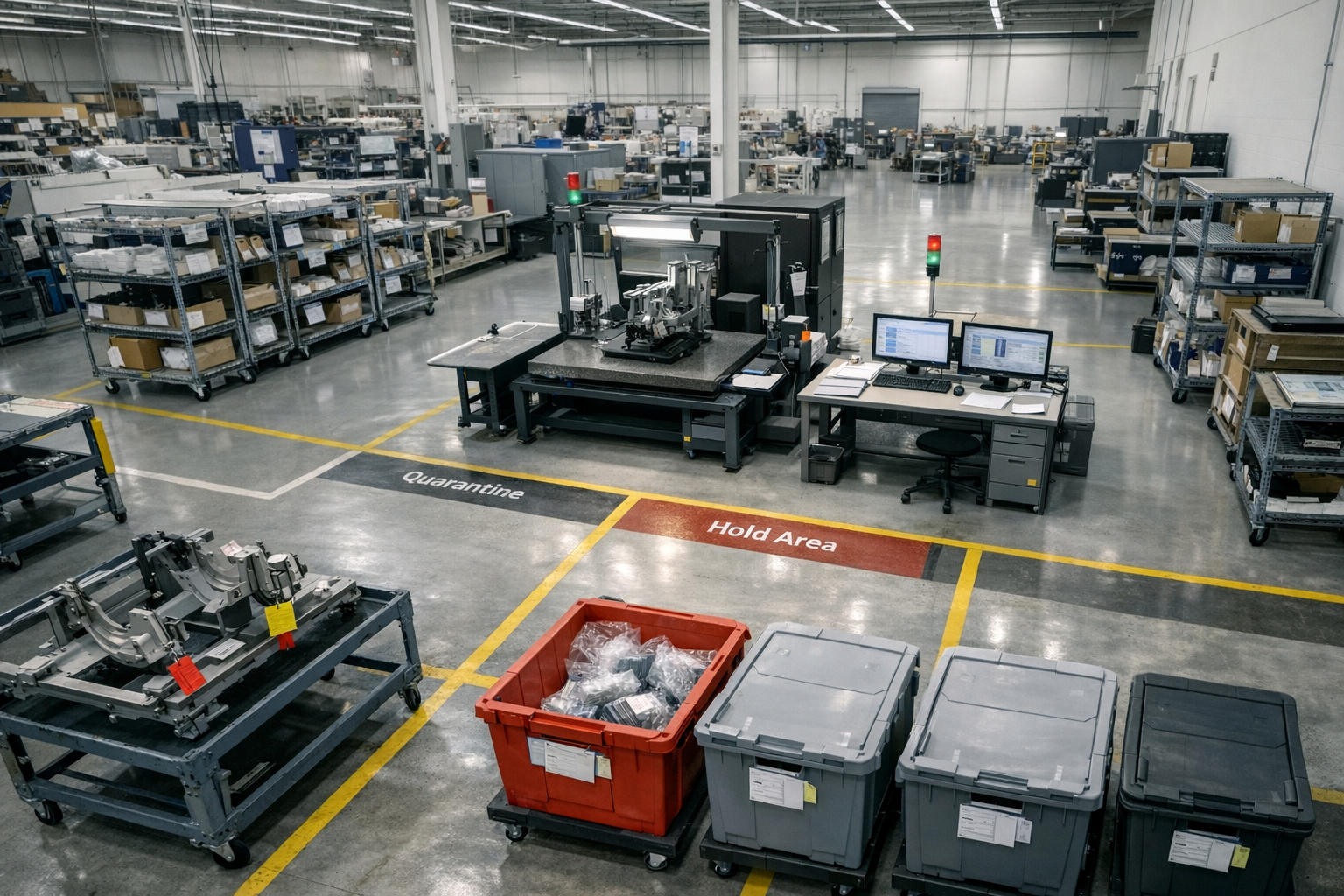
- Containment and segregation: Activities to locate, quarantine, and control potentially affected product (e.g., lot containment, line holds).
- Supplier-related nonconformance: Costs of handling supplier NCRs, returns, chargebacks, and requalification of suppliers or parts.
- Field and customer issues: Warranty work, returns, replacements, service calls, and associated logistics when nonconforming product escapes to the customer.
- Documentation and administration: Time spent logging NCRs, updating records in QMS, MES, or ERP, and managing deviations and concessions.
Non-conformance costs can be tracked at different levels, such as part number, work order, supplier, product line, or customer, and are often used in yield, scrap, and COPQ reporting.
What non-conformance cost usually excludes
Non-conformance cost typically does not include:
- Prevention costs, such as training, mistake-proofing (poka-yoke), or process design work intended to avoid defects.
- Planned inspection and testing that is part of normal, compliant operations and not triggered by a failure.
- Strategic or overhead costs not clearly tied to specific nonconformances, such as general quality management system maintenance.
Those items may be captured separately as prevention or appraisal costs in a full quality cost model.
Operational use in manufacturing systems
In manufacturing, non-conformance cost is often derived from transactional data and quality records across systems such as:
- QMS / NCR modules: Record each nonconformance, its type (scrap, rework, deviation), and associated labor and material.
- MES: Capture rework routing, extra operations, and additional cycle time needed to correct nonconforming units.
- ERP: Track material write-offs, credit memos, and warranty claims tied back to specific nonconformance events.
Organizations commonly use non-conformance cost data to prioritize corrective and preventive actions (CAPA), evaluate suppliers, and support continuous improvement and Lean initiatives.
Common confusion
- Non-conformance cost vs. Cost of Poor Quality (COPQ): COPQ is a broader concept that usually includes internal failure, external failure, appraisal, and sometimes prevention costs. Non-conformance cost typically focuses on the internal and external failure components caused by nonconforming product or process.
- Non-conformance cost vs. scrap cost: Scrap cost is one subset of non-conformance cost. Non-conformance cost also covers rework, containment, customer returns, and administrative activities related to the nonconformance.
Relation to nonconformance and CAPA
Every logged nonconformance (NCR) can have a cost component, such as scrap value or rework hours. Aggregating these costs across NCRs provides a non-conformance cost view that supports CAPA decisions and helps quantify the impact of recurring defects, process drift, or supplier performance issues. This linkage is especially relevant in regulated industries where traceability and documented decision-making are required.


Related Blog Articles


Related FAQ
Related Glossary
Ready to See How C-981 Can Accelerate Your Factory’s Digital Transformation?

