Rework
Rework is the activity of correcting nonconforming product or data so it meets specified requirements, usually after inspection.


Core meaning
Rework commonly refers to the activity of bringing a nonconforming item into conformance with defined requirements by performing additional work after an inspection, test, or use has identified a problem.
In industrial and regulated manufacturing environments, this typically means:
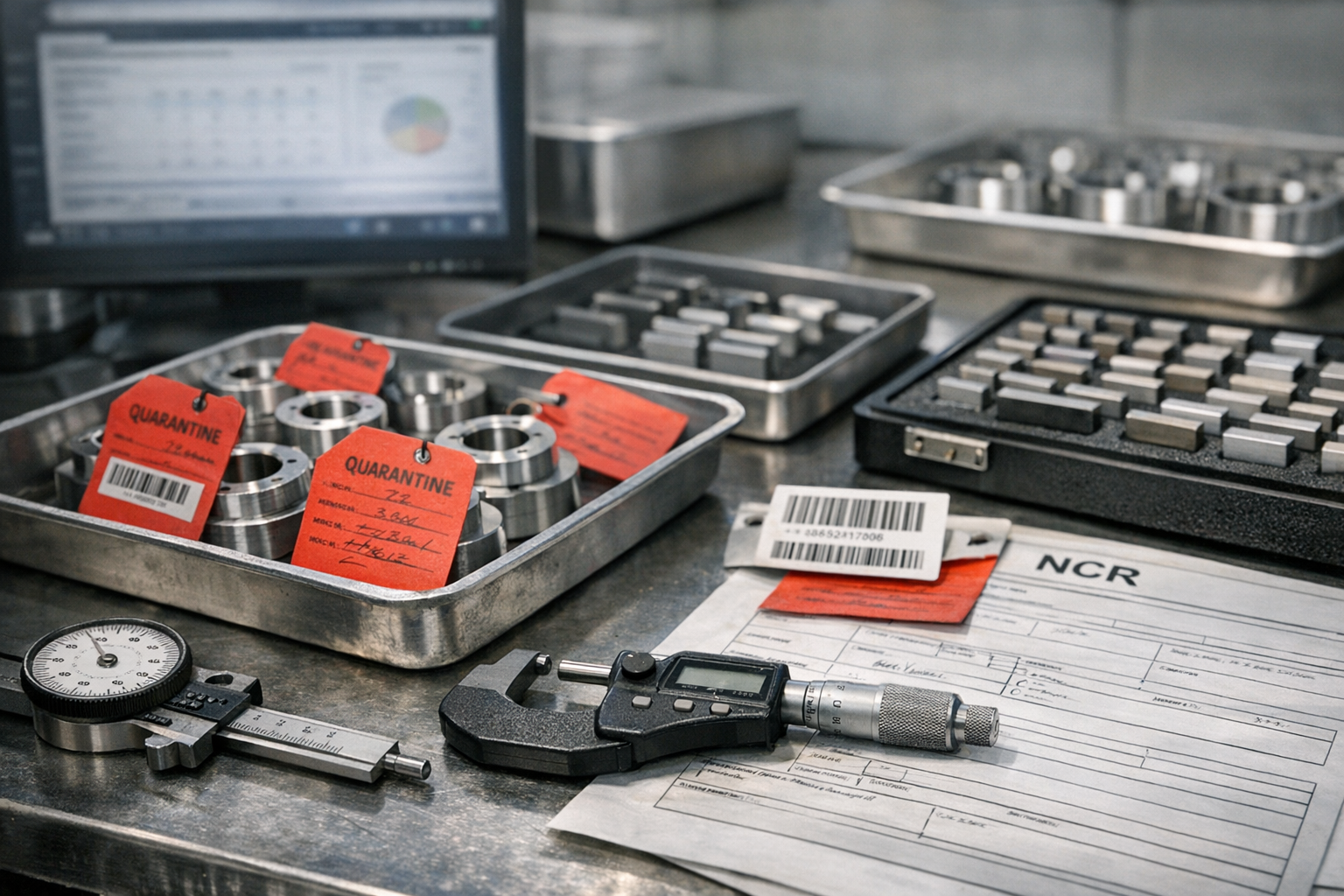
– Identifying a product, component, batch, or record that does not meet a specification
– Performing defined additional operations (e.g., repair, reprocessing, re-testing) to correct the nonconformance
– Verifying and documenting that the item now meets all applicable requirements
Rework can apply to physical materials, digital records (e.g., batch records, quality documentation), and software configurations used in operations.
Use in manufacturing workflows
In manufacturing systems and quality processes, rework is usually handled through formal workflows:
– **Detection:** A defect or deviation is found through in-process inspection, final inspection, automated checks, or system validations.
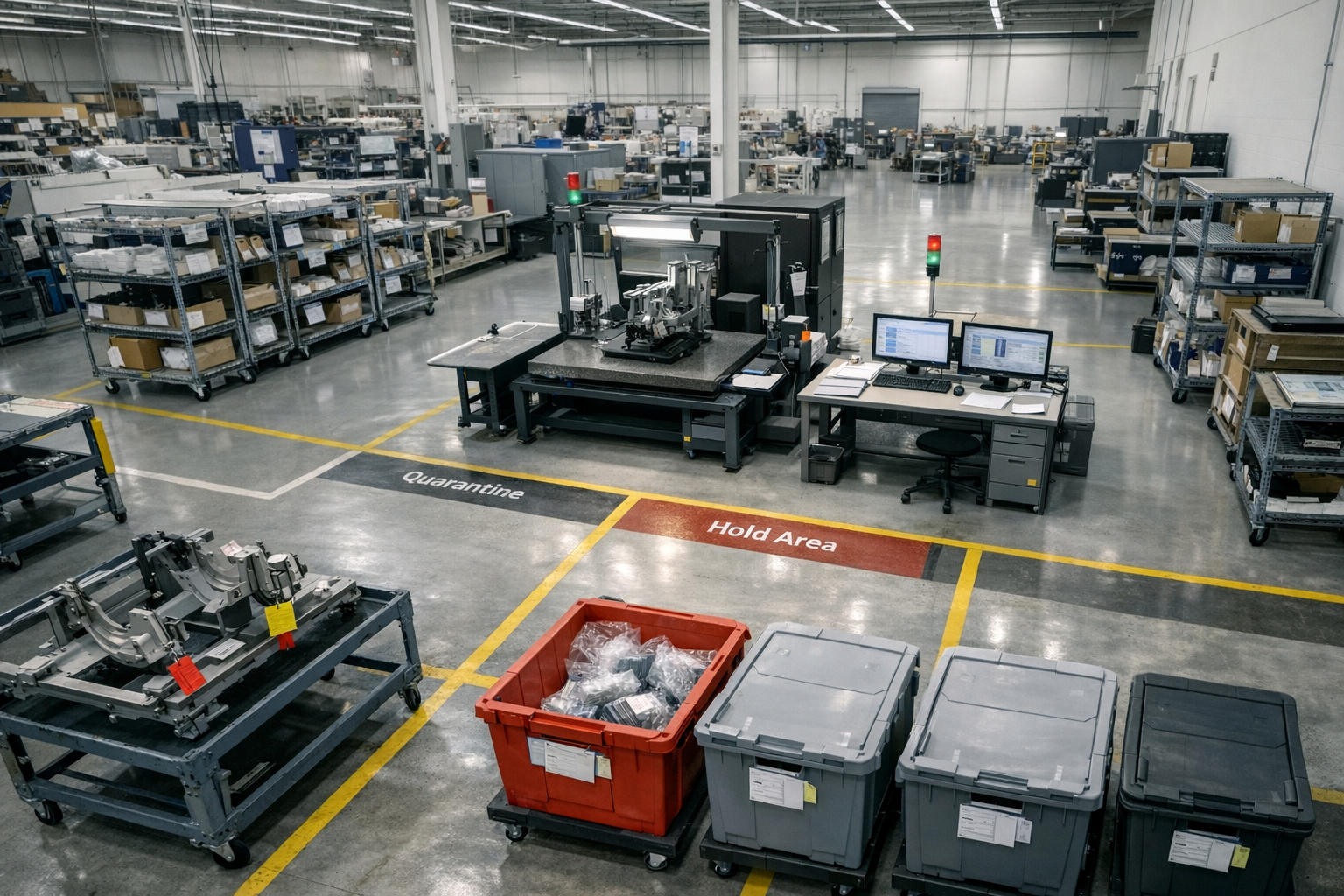
– **Disposition:** The nonconforming item is evaluated and assigned a status such as rework, scrap, or use-as-is.
– **Execution:** Rework instructions are followed (often defined in work instructions, SOPs, or MES routing steps).
– **Verification:** The reworked item is re-inspected or re-tested to confirm that it now meets specifications.
– **Documentation:** Rework actions, approvals, and results are recorded in MES, ERP, QMS, or electronic batch records.
Operations and quality teams may monitor rework rates as an indicator of process stability and product quality.
Boundaries and what rework is not
Rework is distinct from several related activities:
– **Not normal process steps:** The planned, standard production operations needed to create a conforming product are not considered rework.
– **Not scrap:** Items that cannot be brought into conformance and are discarded are classified as scrap, not rework.
– **Not regrade or concession:** Decisions to accept product outside normal specification under controlled conditions (e.g., concession or use-as-is) are different from rework because the product is not brought fully into original specification.
– **Not routine maintenance:** Maintenance on equipment or IT/OT systems is separate from rework, unless the maintenance is specifically part of correcting a nonconforming batch or lot.
Rework in quality and compliance contexts
In regulated environments, rework is typically controlled through documented procedures that may cover:
– Conditions under which rework is allowed or limited
– Required approvals before starting rework
– Validation or verification obligations if the rework changes critical characteristics
– Traceability requirements (e.g., linking rework actions to specific lots, batches, or serial numbers)
Quality management systems (QMS), MES, and ERP often include specific objects or transactions to:
– Log nonconformances and rework orders
– Track additional material and labor used in rework
– Record inspection results after rework
Common confusion and misuse
Rework is sometimes confused with:
– **Repair:** In many industries, repair refers to restoring functionality without necessarily meeting all original specifications, while rework implies full alignment to the original requirements. Usage, however, can vary by organization.
– **Reprocessing:** Some sectors use reprocessing for repeating part or all of the normal manufacturing process, while using rework for more targeted corrective actions. In others, rework and reprocessing are used interchangeably. Local definitions in procedures or standards should be checked.
In IT and data contexts, “rework” may informally refer to repeating configuration or data entry tasks due to earlier errors. In this site context, the term should be understood primarily as a controlled manufacturing and quality activity recorded in operational systems.
Application in operations and manufacturing systems
In OT/IT, MES, and ERP environments, rework is commonly represented by:
– Additional operations or alternate routings in MES to handle nonconforming units
– Rework production orders or work orders in ERP to account for cost and capacity
– Quality notifications, deviations, or CAPA records in QMS referencing rework activities
– Status changes in inventory management (e.g., from blocked to released after successful rework)
Rework data is frequently analyzed for operations intelligence, including:
– Identifying recurring process issues
– Understanding impact on throughput and capacity
– Supporting continuous improvement and problem-solving methods such as root cause analysis.


Related Blog Articles


Related FAQ
Related Glossary
Ready to See How C-981 Can Accelerate Your Factory’s Digital Transformation?

