non-conformance report
A formal record used to document, evaluate, and disposition any product, process, or service output that does not meet a defined requirement.


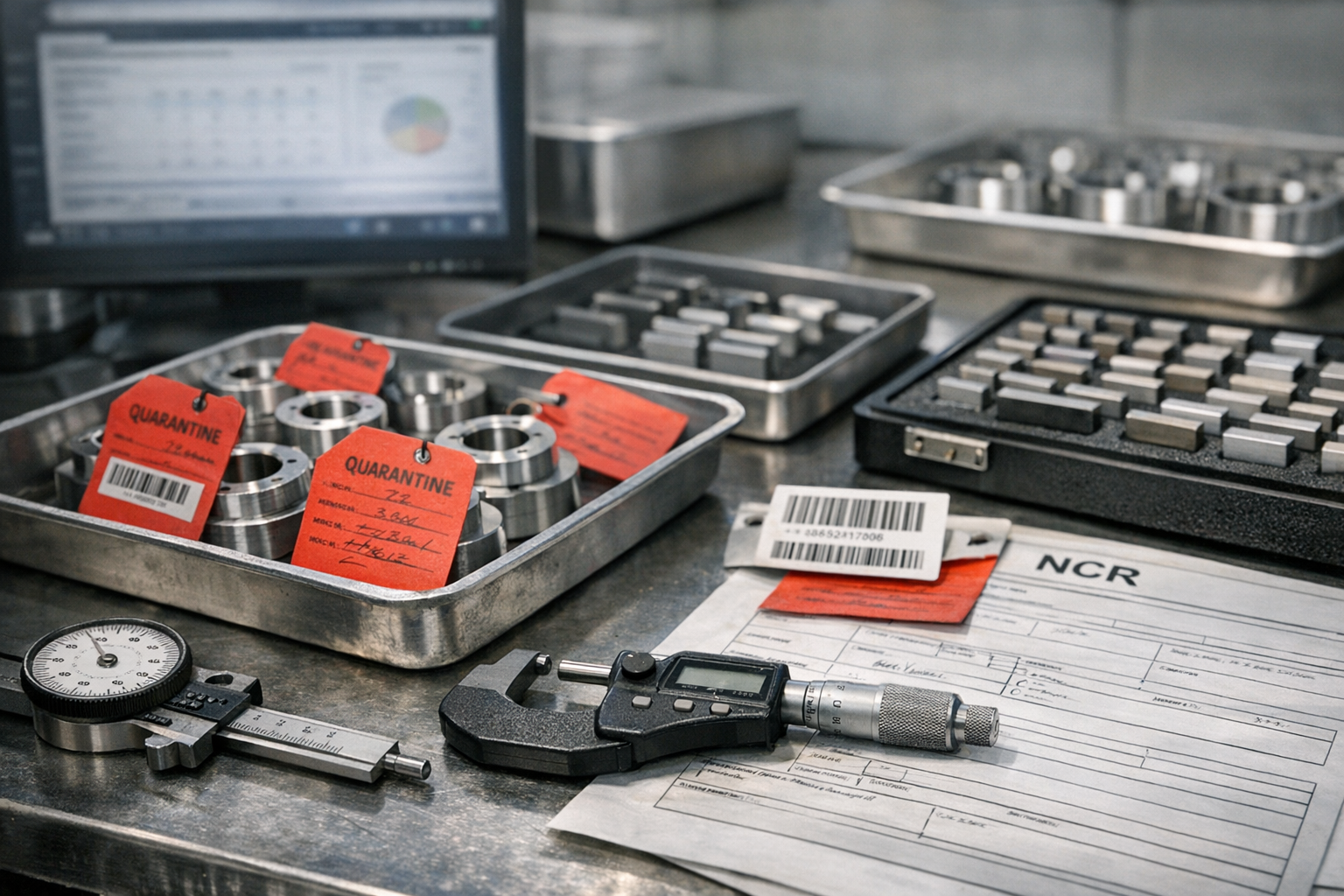
A non-conformance report (NCR) is a formal record used to document and manage any product, process, service, document, or supplier output that does not meet a defined requirement. It is a core quality and compliance artifact in regulated manufacturing, providing traceable evidence that nonconforming conditions were identified, evaluated, and addressed under controlled procedures.
What a non-conformance report includes
While formats vary by organization and system, an NCR commonly includes:
- Identification details such as NCR number, date, originator, and affected site or line
- Description of the nonconformance, including what failed, how it was detected, and observed condition
- Reference requirements such as drawings, specifications, procedures, contracts, standards, or control plans
- Scope and impact, for example affected batches, serial numbers, lots, or time windows
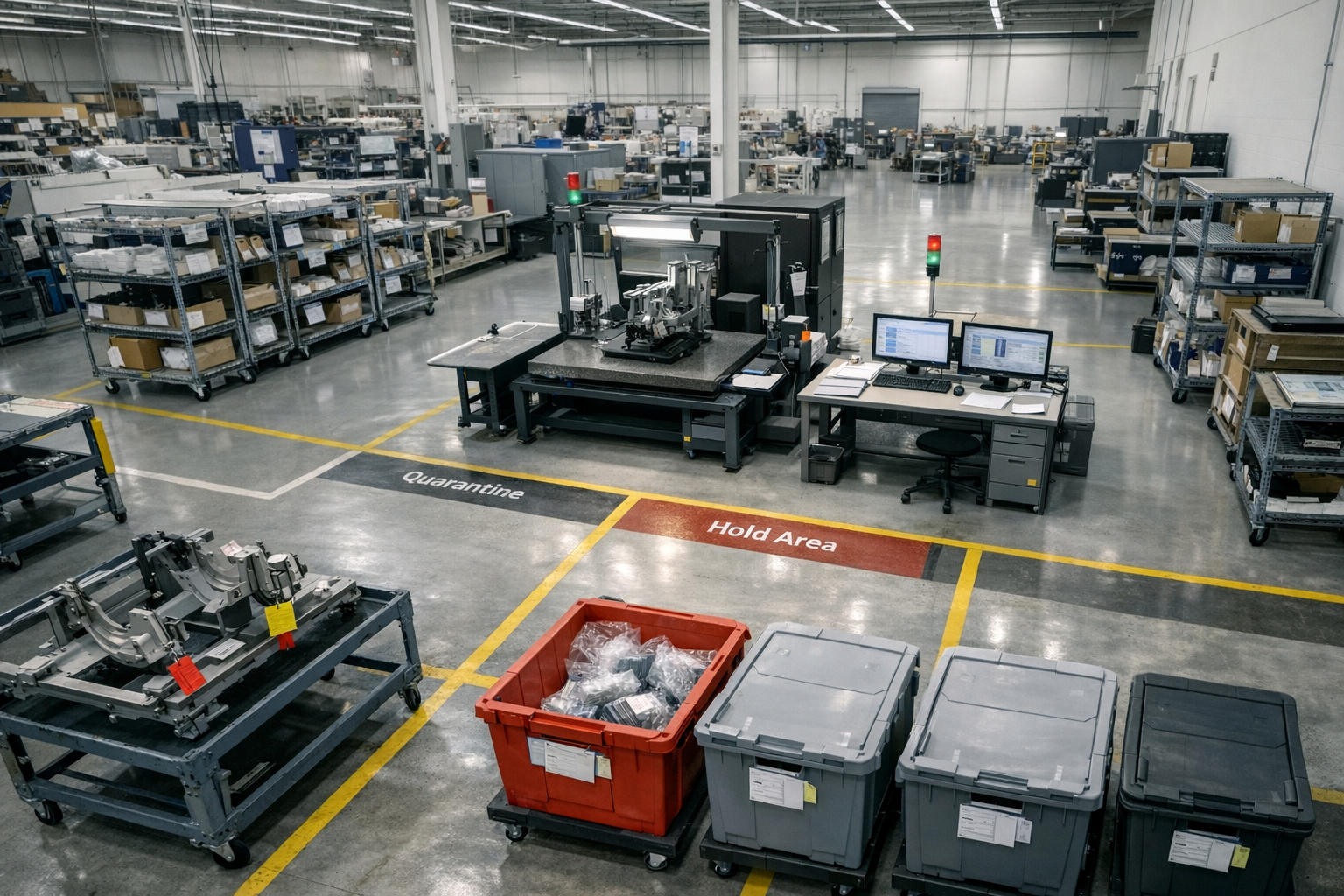
- Initial containment actions, such as segregation, status labeling, and holds in MES/ERP
- Disposition decision, for example rework, repair, use-as-is under deviation, scrap, or return to supplier
- Approvals from authorized roles such as quality, engineering, production, or customer representatives
- Links to follow-on actions such as root cause analysis, CAPA records, or change controls when required
Operational use in manufacturing environments
In industrial operations, NCRs are typically triggered when a nonconformity cannot be corrected immediately without risking traceability, compliance, or consistent treatment. NCRs may be generated from:
- In-process or final inspection results that do not meet acceptance criteria
- Deviations from work instructions, validated processes, or standard operating procedures
- Supplier nonconforming material, certificates, or documentation
- Audit findings related to execution of manufacturing or quality processes
NCR workflows are often implemented in MES, QMS, or ERP systems, with defined rules for initiation, review, disposition, and closure. These workflows support segregation and release of material, documentation of rework instructions, and visibility of open nonconformances across sites and functions.
Relationship to CAPA and other quality records
An NCR documents the occurrence and handling of a specific nonconforming condition. It does not necessarily include full root cause analysis or long-term corrective and preventive actions. When a pattern of similar NCRs is observed, or when risk or impact is high, an organization may initiate a separate CAPA record and link it to one or more NCRs.
Other related records can include:
- Deviations or concessions, which may authorize temporary use or rework of nonconforming items under defined conditions
- Rework instructions, which specify controlled steps to bring nonconforming items back into conformance
- Supplier corrective actions, which may be requested based on supplier-related NCRs
Common confusion
- NCR vs. nonconforming product: The product or process condition is the nonconformance; the NCR is the documented record of it.
- NCR vs. CAPA: An NCR captures and dispositions a specific nonconformance. A CAPA addresses underlying causes to prevent recurrence or occurrence and may reference multiple NCRs.
- NCR vs. audit nonconformity: Audit nonconformities may be recorded in separate audit tools. Some organizations convert relevant audit findings into NCRs when they affect product, process, or documentation requirements.
Link to the provided context
In practice, organizations define in procedures when a non-conformance report must be issued, how thresholds are applied across products and sites, and how NCRs interface with MES, QMS, and ERP. This supports consistent treatment of nonconformances, traceable decision-making, and alignment with customer and regulatory expectations.


Related Blog Articles


Related FAQ
Related Glossary
Ready to See How C-981 Can Accelerate Your Factory’s Digital Transformation?

