nonconformance management
Nonconformance management is the structured process for identifying, documenting, evaluating, and dispositioning products or processes that do not meet specified requirements.


Nonconformance management is the structured process an organization uses to identify, document, evaluate, control, and disposition any product, material, process, or service that does not meet specified requirements. It is a core element of quality management systems in regulated and industrial manufacturing environments.
In practice, nonconformance management typically covers:
- Detection and reporting: Finding defects, deviations, or out-of-spec conditions through inspections, tests, in-process checks, or customer feedback, and recording them in a controlled system.
- Classification and risk assessment: Evaluating the nature and impact of the nonconformance (for example minor vs major, product vs process, internal vs supplier) based on safety, regulatory, functional, and contractual criteria.
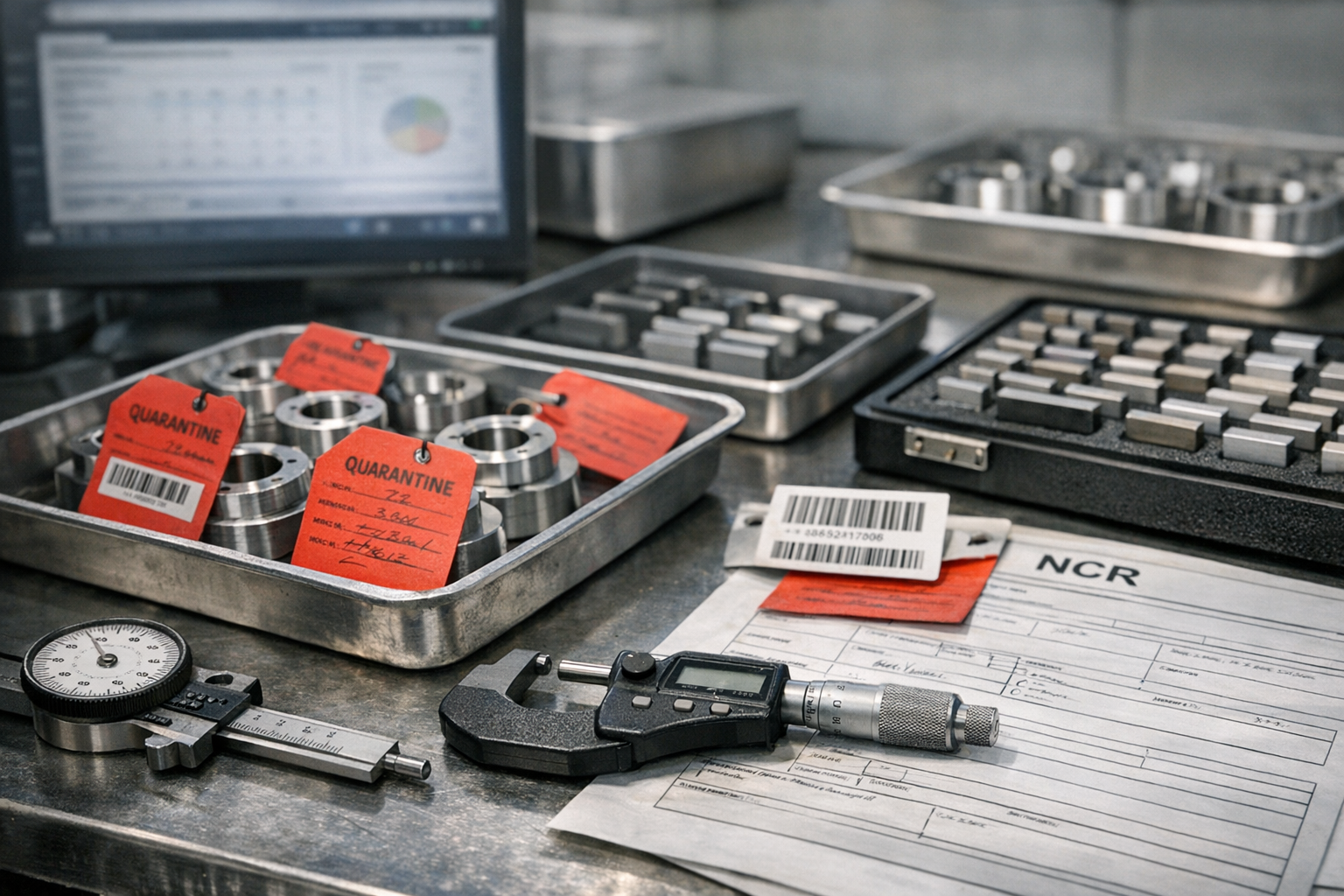
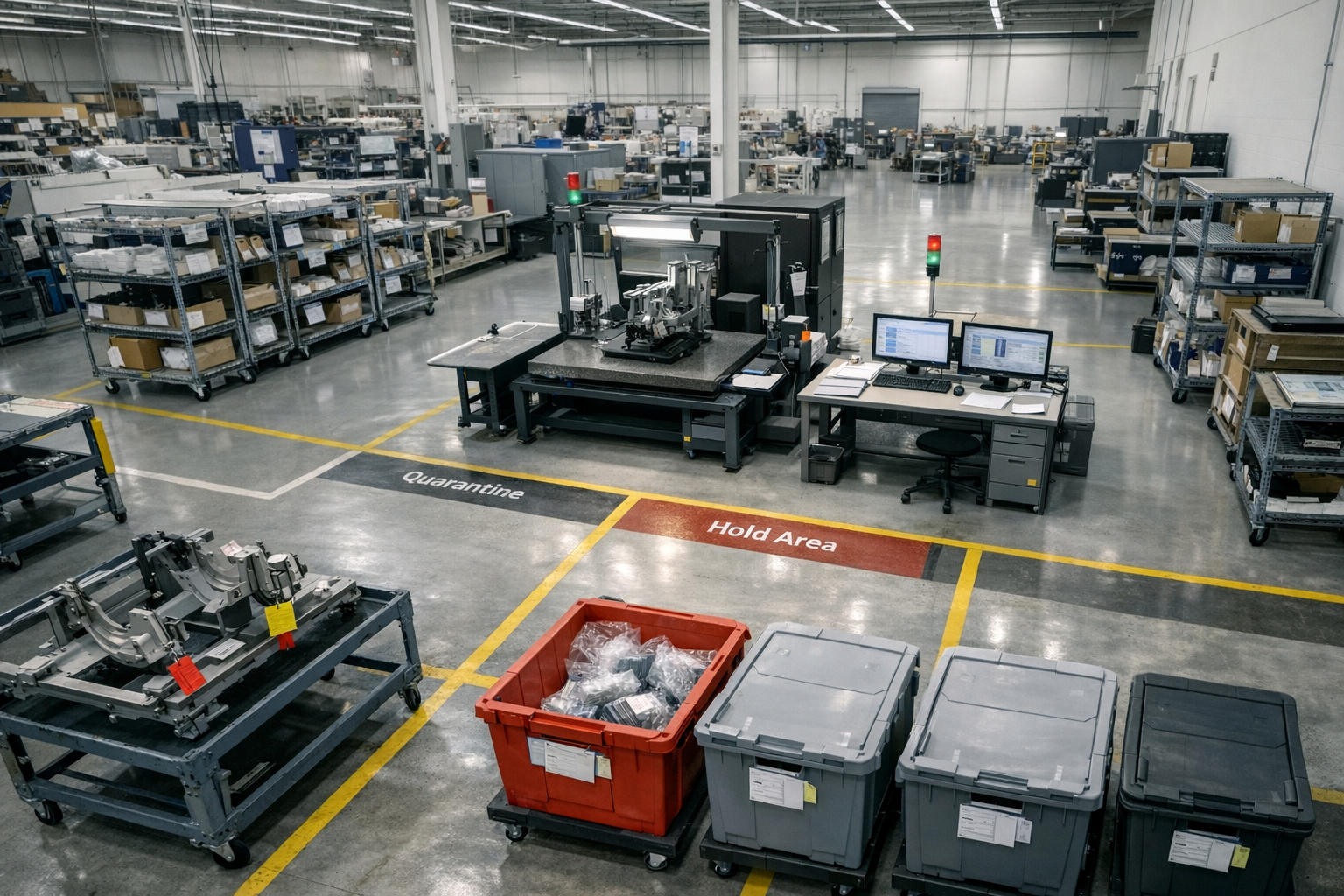
- Containment and segregation: Physically and systematically isolating affected items or processes to prevent unintended use, shipment, or further processing.
- Disposition: Deciding and documenting what to do with the nonconforming item or condition, such as rework, repair, use-as-is under approved deviation, scrap, or return to supplier.
- Approvals and traceability: Ensuring dispositions and risk-based decisions are reviewed and approved by authorized roles, with traceable records for audits and customer or regulatory oversight.
- Data analysis and escalation: Monitoring nonconformance trends, identifying systemic issues, and escalating to corrective and preventive action (CAPA) or process improvement where appropriate.
Operational context in manufacturing
In manufacturing operations, nonconformance management often spans multiple systems and functions. Nonconformances may be initiated on the shop floor within a manufacturing execution system (MES), logged in a quality management system (QMS), referenced in enterprise resource planning (ERP) for inventory and cost handling, and linked to design or configuration records.
Typical operational elements include:
- Standardized nonconformance reports or records with fields for part numbers, lot/batch, equipment, process step, and inspection data.
- Workflow routing for review by quality, engineering, manufacturing, and sometimes customer representatives.
- Integration with document control so dispositions and deviations remain aligned with current specifications and work instructions.
- Support for regulatory and customer-specific rules, for example in aerospace, medical devices, or pharmaceuticals.
Relationship to CAPA and deviation management
Nonconformance management focuses on handling specific instances where requirements are not met. When patterns or significant risks are identified, organizations often open a formal corrective and preventive action (CAPA) to address root causes and prevent recurrence at the system or process level.
In some industries, nonconformance management is closely related to deviation management, where planned or unplanned departures from approved methods, specifications, or procedures are evaluated and controlled. Nonconformances typically relate to product or process outcomes, while deviations may relate more broadly to the way work is performed, although terminology varies across sectors.
Common confusion
Nonconformance vs defect: A defect is a specific flaw or failure in a product or process. A nonconformance is a broader concept that covers any failure to meet a specified requirement, which may or may not present as a visible defect.
Nonconformance management vs CAPA management: Nonconformance management controls how individual nonconforming items or events are handled. CAPA management focuses on investigating causes and implementing changes to prevent recurrence or occurrence. The two processes are often linked but are not the same.
Connection to aerospace and other regulated environments
In aerospace and similarly regulated industries, nonconformance management is tightly linked to safety, airworthiness, and contract or regulatory obligations. The same physical defect may be classified and managed differently depending on design intent, criticality, configuration, and customer rules. Organizations typically maintain documented, configuration-controlled criteria and workflows to classify nonconformances, justify dispositions, and maintain traceable records for audits and regulatory reviews.


Related Blog Articles


Related FAQ
Related Glossary
Ready to See How C-981 Can Accelerate Your Factory’s Digital Transformation?

