Nonconformance Report
A formal quality record that documents a product, process, or system not meeting specified requirements in manufacturing.


A Nonconformance Report is a formal quality record used to document any product, process, material, document, or system condition that does not meet defined requirements. In industrial and regulated manufacturing environments, it is the standard mechanism for capturing nonconformities against specifications, drawings, bills of material, SOPs, contracts, or regulations.
What a Nonconformance Report includes
While formats vary, a Nonconformance Report commonly includes:
- Identification of the affected item or process (part number, batch, equipment, document, or system)
- Description of the nonconforming condition and how it was detected
- Reference to the requirement that was not met (spec, SOP, standard, regulation)
- Traceability data such as lot, serial number, work order, and date
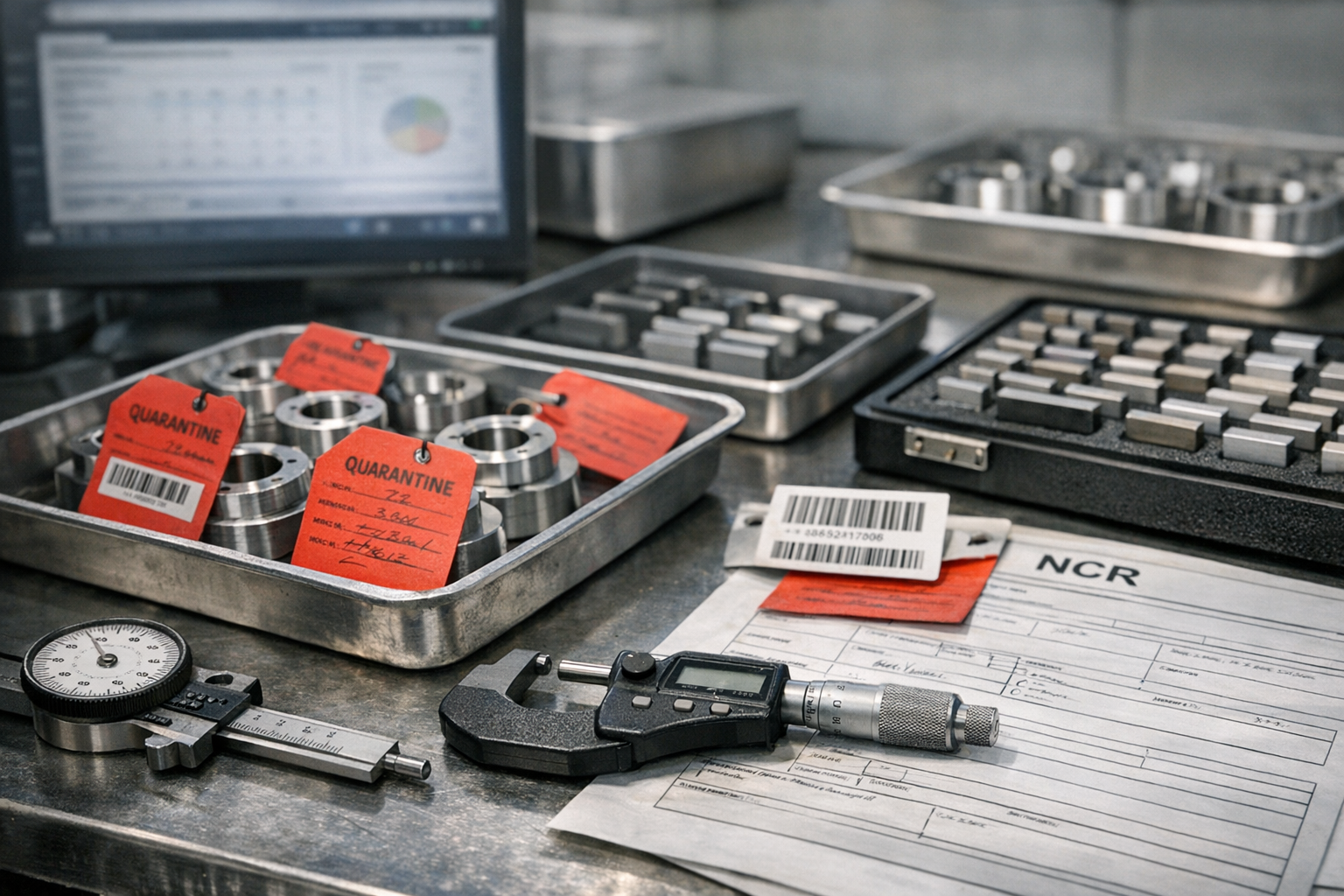
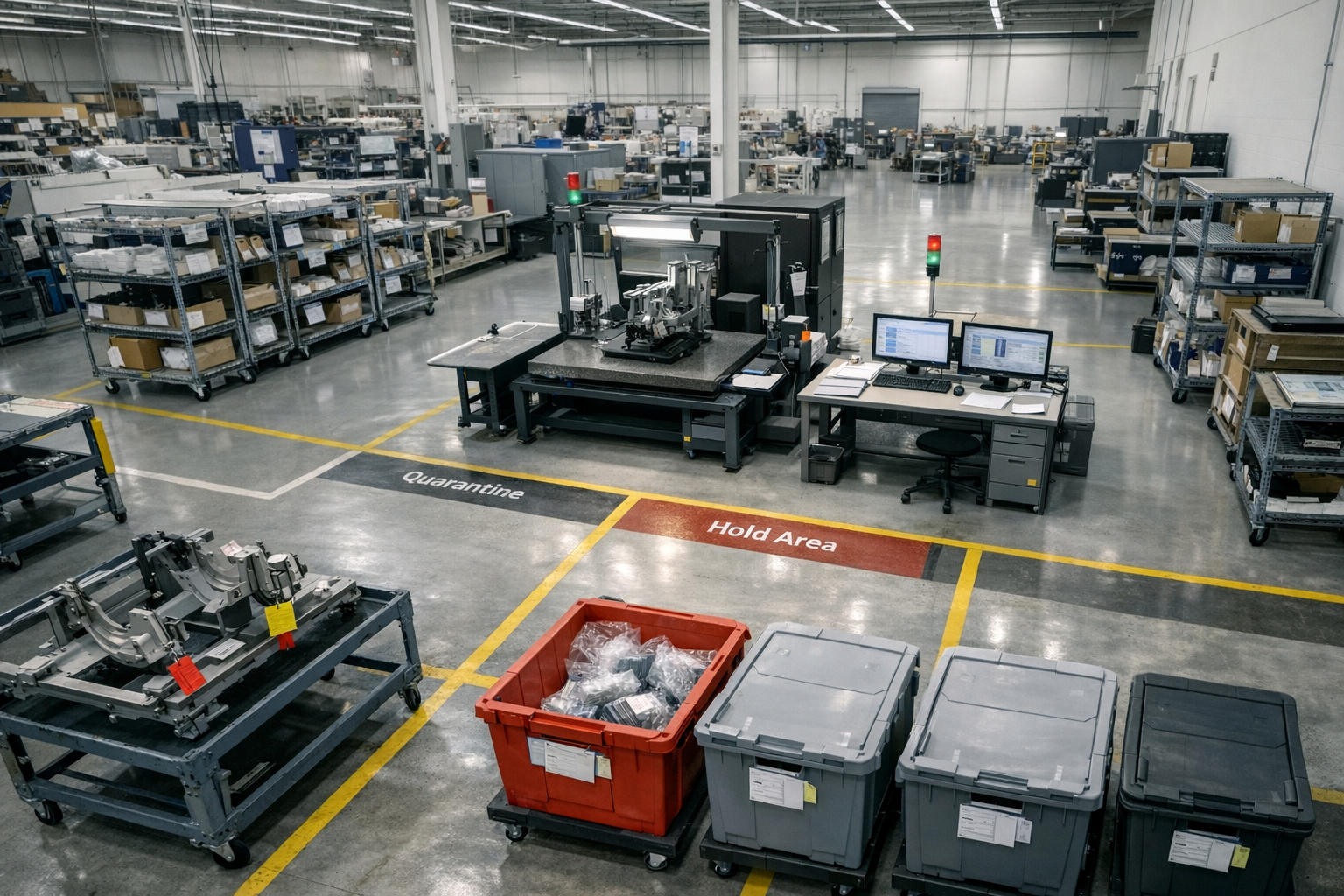
- Immediate containment actions (quarantine, hold, line stop, re-inspection)
- Disposition decision (e.g. use-as-is, rework, repair, scrap, return to supplier)
- Approvals and signoffs from authorized personnel
In many quality systems, the Nonconformance Report is the source record that can trigger further analysis and actions, such as Corrective and Preventive Action (CAPA) or engineering change control.
Operational role in manufacturing systems
Within MES, QMS, and ERP environments, a Nonconformance Report typically:
- Is created directly from inspections, test results, operator checks, supplier receipts, or audits
- Drives holds on work orders, batches, or inventory until disposition is defined
- Provides structured data used for trend analysis, cost of poor quality (COPQ), and risk assessment
- Maintains traceability from the detected issue back to equipment, materials, and process steps
Nonconformance Reports are often integrated with document control so that recurring nonconformities can be linked to updates in procedures, specifications, or training materials.
Scope of nonconformance
Nonconformance documented on an NCR can relate to:
- Product characteristics (dimensions, performance, cosmetic defects)
- Process conditions (parameters outside approved ranges, unvalidated changes)
- Documentation (use of obsolete drawings or work instructions)
- Supplier issues (incoming material not meeting agreed requirements)
- Quality system failures (missing records, skipped inspections, unauthorized deviations)
Common confusion
- Nonconformance Report vs. CAPA: A Nonconformance Report records that a requirement was not met and how the specific occurrence was handled. A CAPA record is used to investigate root cause and define broader corrective or preventive actions, often initiated because of one or more NCRs.
- Nonconformance Report vs. deviation/waiver: A deviation or waiver typically authorizes temporary use of a different requirement or acceptance of known nonconforming product under defined conditions. The NCR documents the actual nonconforming event; the deviation or waiver may be referenced in the NCR.
Link to the term “NCR”
In many manufacturing organizations, the term “NCR” is used interchangeably with Nonconformance Report or Nonconformity Report. The underlying concept is the same: a controlled, traceable record of a requirement not being met, used as part of the quality management system.


Related Blog Articles


Related FAQ
Related Glossary
Ready to See How C-981 Can Accelerate Your Factory’s Digital Transformation?

