supplier quality
Supplier quality is the level of conformance, reliability, and compliance achieved by materials and services provided by external suppliers.


Supplier quality commonly refers to the level of conformance, reliability, and regulatory compliance achieved by materials, components, and services delivered by external suppliers to a manufacturing organization. It focuses on whether purchased product consistently meets specified requirements and is supported by adequate controls, documentation, and traceability.
What supplier quality includes
In regulated industrial and manufacturing environments, supplier quality typically covers:
- Qualification and onboarding of suppliers, including evaluation, audits, and approval against defined criteria.
- Incoming quality control, such as receiving inspection, sampling, test verification, and documentation checks.
- Ongoing performance monitoring, including defect rates, on-time delivery, responsiveness, and adherence to specifications.
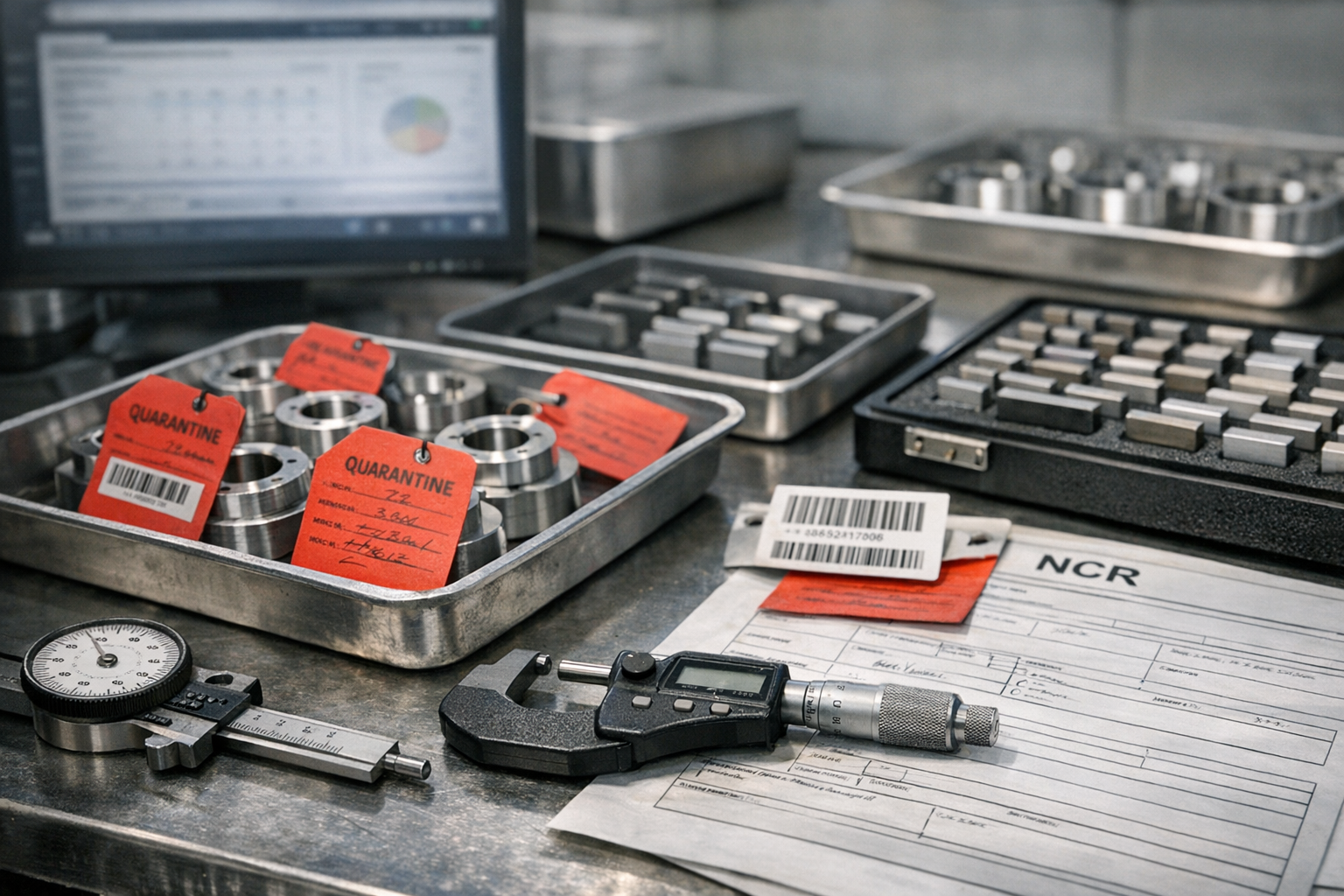
- Nonconformance management, including recording, investigating, and trending supplier-related defects or deviations.
- Corrective and preventive actions (CAPA) raised to suppliers, with evidence that systemic issues are identified and addressed.
- Compliance and documentation, such as certificates of analysis, material certifications, traceability records, and adherence to contractual and regulatory requirements.
- Change control coordination, ensuring supplier process or design changes are evaluated, approved, and documented before implementation.
Operational meaning in manufacturing systems
Operationally, supplier quality shows up across multiple systems and workflows:
- In ERP/MRP, through approved supplier lists, quality status of lots, and blocked or restricted suppliers.
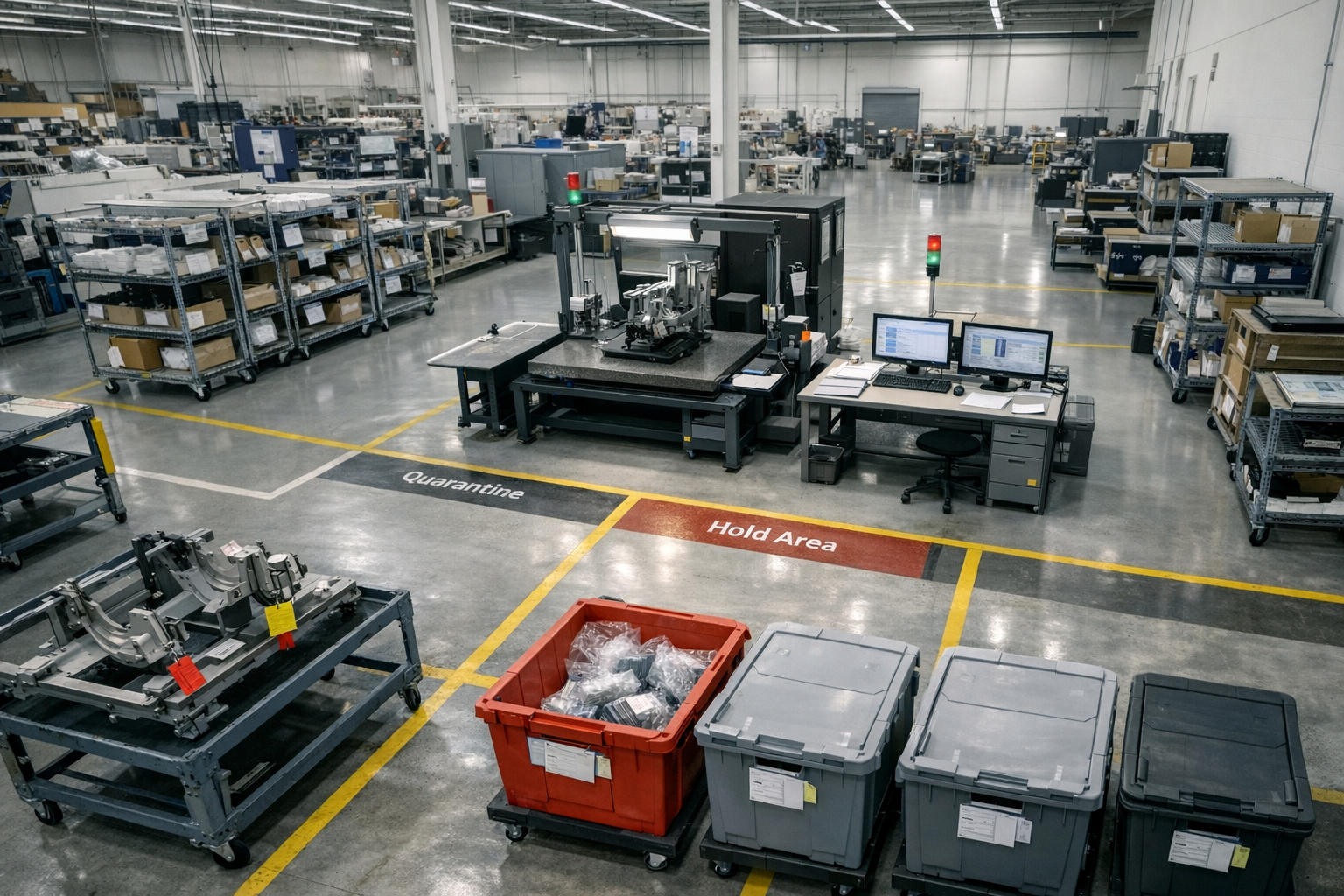
- In MES and shop-floor systems, via holds or additional inspections for certain suppliers or materials.
- In quality management systems, as supplier audits, SCARs (supplier corrective action requests), CAPA records, and risk assessments.
- In compliance and traceability records, linking final product to specific supplier batches, certificates, and change notices.
Supplier quality management
Supplier quality management is the systematic approach an organization uses to plan, control, and improve supplier quality. It often includes:
- Defining requirements and quality agreements with suppliers.
- Using risk-based criteria to determine audit frequency, inspection levels, and monitoring intensity.
- Escalation paths for repeated or severe supplier nonconformances, including enhanced controls, formal supplier CAPA, or disqualification decisions.
- Periodic review of supplier performance metrics and risk profiles.
Common confusion
- Supplier quality vs. procurement: Procurement focuses on sourcing, cost, and contracts. Supplier quality focuses on conformance, reliability, and compliance of what is supplied.
- Supplier quality vs. incoming inspection: Incoming inspection is one operational control within a broader supplier quality program, which also covers qualification, audits, CAPA, and performance monitoring.
- Supplier quality vs. overall product quality: Supplier quality is one contributor to overall product quality, alongside internal process controls, design, and production practices.
Link to repeat nonconformances
In the context of repeat nonconformances from the same supplier, supplier quality involves structured evaluation of whether issues stem from isolated events or systemic causes at the supplier. This typically leads to decisions about containment actions, formal supplier CAPA, adjustments to incoming inspection or process controls, and, if needed, reassessment of the supplier’s approved status.


Related Blog Articles


Related FAQ
Related Glossary
Ready to See How C-981 Can Accelerate Your Factory’s Digital Transformation?

